.svg)
Homeowners often find themselves choosing between cedar and pressure-treated wood because both are reliable choices for outdoor fencing. Cedar stands out for its natural resistance to decay and insects, while pressure-treated wood is valued for its strength, availability, and lower upfront cost.
If you are deciding on the best wood for fence to install, it helps to focus on weather-resistant and rot-resistant woods, especially if the fence will be exposed to rain, humidity, or seasonal moisture. Selecting a material that naturally withstands environmental stress can help extend fence lifespan and reduce maintenance work over time.
Best Wood for Fence Homeowners Commonly Choose
Outdoor fencing in the Pacific Northwest requires materials that can handle frequent moisture exposure and seasonal weather changes. Homeowners often ask 'What is the best wood for fence?' when choosing materials that balance appearance, structural strength, and natural resistance to decay. Selecting the right fencing material early helps reduce repair costs and supports a longer fence lifespan.
Different Types of Wood Fences and Style Variations
Homeowners in the Pacific Northwest typically choose among several wooden fence types depending on their purpose and budget.
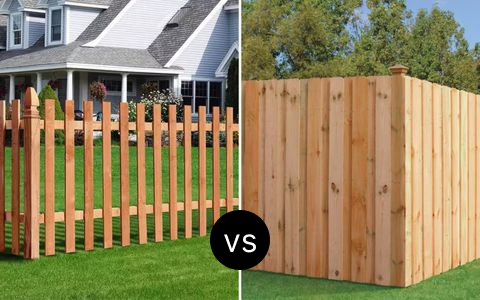
Common types of wood fence designs include privacy fencing, picket fencing, and perimeter backyard barriers. Privacy fences are usually taller and solid for screening, while decorative fences focus more on visual appeal.
When selecting materials, durability should remain a priority alongside style.
Pressure Treated Wood Fence
Among the most common fencing materials, pressure treated wood fence is widely used because of its strength and moisture protection.
The wood undergoes chemical treatment to improve resistance against insects, rot, and environmental decay. For homeowners seeking affordability and structural reliability, pressure treated pine is often a practical option.
Pressure treated wood fence maintenance is important for extending lifespan. Applying protective sealant and inspecting for cracks or surface damage can help prevent moisture penetration.
Because of its preservatives, pressure treated pine performs well in resisting rot and insect damage, making it a durable outdoor fencing material.
Cedar Wood Fence
Cedar wood fence is a popular choice in the Pacific Northwest because of its natural look and good performance in moist outdoor environments. Its lighter weight also makes fence installation more manageable compared to some denser wood materials.
Cedar contains natural oils that help protect it from moisture, insects, and decay. This natural resistance makes cedar a practical option for outdoor fencing where rain and humidity are common concerns.
To help preserve cedar wood fence quality, applying protective coating and performing regular inspections are recommended. With basic maintenance, cedar fencing can retain both durability and visual appeal over time.
Redwood Fence
Redwood fence materials are considered premium fencing options because of their natural beauty and strong resistance to outdoor weather exposure. Its rich reddish tone and fine grain pattern make it a visually appealing choice for residential fencing.
It naturally resists moisture, insects, and decay due to its natural wood properties. The tight grain structure also helps reduce water absorption, supporting better long-term outdoor performance.
Redwood fencing is generally more expensive than pressure treated wood and other common fencing materials. However, its natural rot resistance and low maintenance needs make it a preferred option for homeowners who want durability and aesthetic appeal.

Additional Types of Wood Fence to Consider
Aside from cedar, pressure treated wood, and redwood, homeowners may also explore different types of wood fences depending on budget, climate exposure, and fencing purpose. In the Pacific Northwest, choosing wood that can tolerate moisture and seasonal rainfall is especially important.
Spruce
- Spruce is one of the more affordable fencing materials.
- It generally requires more maintenance because it has lower natural resistance to insects and decay.
- Best suited for temporary fencing or low-exposure installations.
Southern Yellow Pine
- Southern yellow pine becomes more durable when pressure treated.
- Treatment improves resistance to rot, moisture damage, and insect infestation.
- Commonly used for long-term structural fencing projects.
Douglas Fir (Pacific Northwest Friendly Option)
- Douglas fir is a practical regional choice since it is commonly available in the Pacific Northwest.
- When properly treated or sealed, it can perform well in outdoor fencing applications.
- It offers a good balance between strength, availability, and cost.
Cypress Wood
- Cypress naturally contains oils that help resist decay and moisture absorption.
- It is suitable for humid environments, though availability may vary depending on location.
Selecting wood fence materials that match local climate conditions helps improve durability and reduce long-term maintenance requirements.
Rot-Resistance and Climate Durability
In moist regions such as the Pacific Northwest, choosing rot-resistant woods is essential for extending fence lifespan.
Weather-resistant wood helps reduce long-term repair costs by slowing material deterioration caused by outdoor exposure. Wood fence durability is influenced by several climate factors, including:
- Constant moisture exposure from rain or humidity
- Soil contact at fence posts, which can accelerate decay
- UV radiation from sunlight
- Seasonal temperature changes
Mold-resistant wood is especially useful in rainy climates where fungal growth is more likely.
Is cedar rot-resistant? Yes. Cedar contains natural oils that help slow biological decay and improve insect resistance compared to many untreated softwoods.
Selecting wood that resists rot and pest damage is one of the best ways to ensure long-lasting fence.
Choosing Wood Based on Local Climate
Selecting the right wood should always consider regional weather conditions and outdoor exposure. Climate plays a major role in determining how well a fence material performs over time.
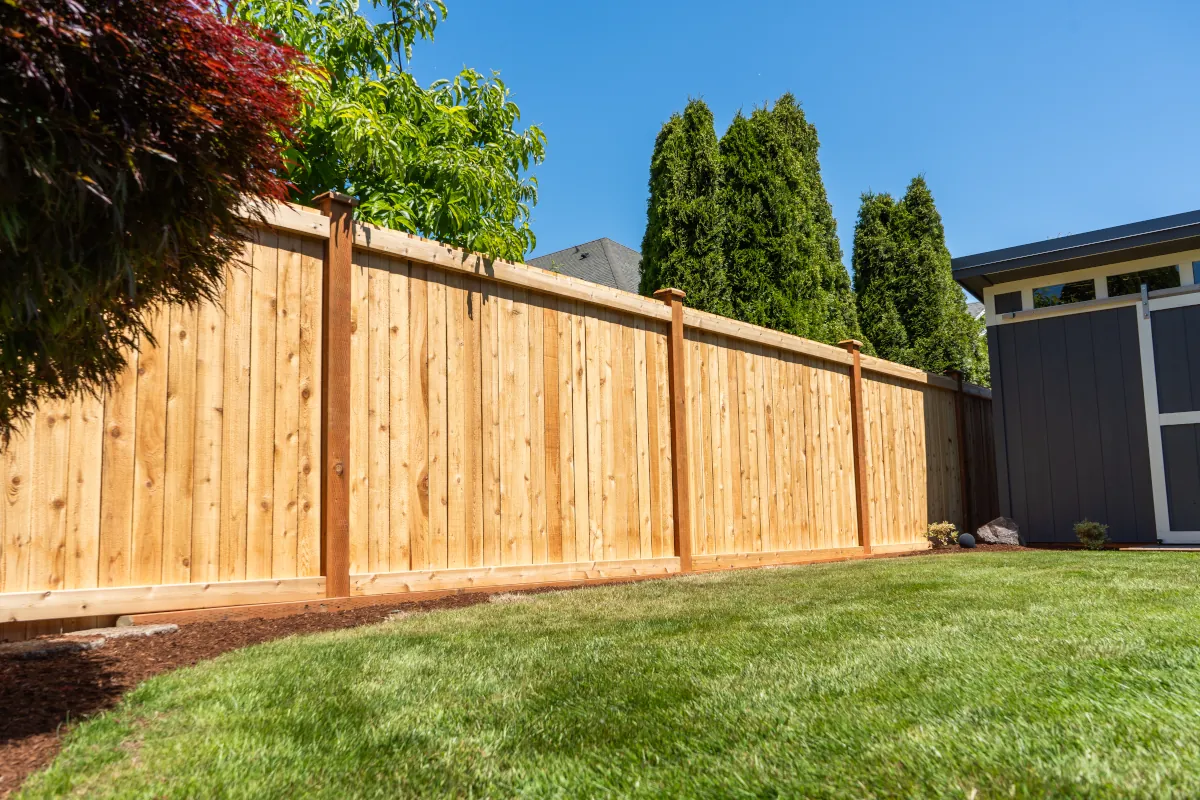
In moist environments such as the Pacific Northwest, rot-resistant and weather-resistant wood options are especially important for maintaining wood fence durability. High humidity, frequent rainfall, and soil moisture exposure can accelerate material degradation if the wrong wood type is used.
Wood that contains natural protective oils or has been properly treated tends to perform better in outdoor fencing applications. These materials help slow decay caused by insects, fungal growth, and continuous moisture contact. Choosing suitable wood early in the planning stage can help extend fence lifespan and reduce repair or replacement costs.
In drier climates, homeowners may have more flexibility in selecting untreated or less expensive wood materials. However, applying protective sealant and performing regular inspection and maintenance are still recommended to preserve fence quality over time.
Maintenance Tips for Wood Fences
Regular maintenance helps keep a wood fence strong, stable, and visually appealing over time. Taking simple care steps can go a long way in improving wood fence durability and extending its lifespan.
To help protect your fence from outdoor exposure, consider the following maintenance practices:
- Apply a protective sealant to reduce damage from moisture, sunlight, and weather wear.
- Inspect your fence at least once a year, especially after strong winds, heavy rain, or seasonal storms, to check for loose boards or early signs of rot and insect damage.
- Clean the fence using mild soap and water to remove dirt, mold, and mildew that may build up in humid environments.
- Trim nearby plants or vegetation to improve airflow and reduce excess moisture around the fence structure.
- Install fence posts with concrete bases or proper drainage support to help prevent water accumulation and ground contact rot.
Simple and consistent care helps maintain fence quality, especially in regions with higher rainfall such as the Pacific Northwest.
Final Installation and Longevity Considerations
Choosing the best wood for fence is only part of building a long-lasting outdoor structure. Proper installation plays an equally important role in preserving fence strength and appearance over time.
Fence posts should be installed at adequate depth and protected from prolonged soil moisture exposure. Direct contact with wet ground can accelerate wood decay, so using gravel drainage layers or treated post bases can help reduce moisture retention and improve stability.
Using high-quality materials such as cedar wood fence or redwood fence, combined with regular maintenance, supports better long-term performance. Periodic inspection, sealing, and cleaning can help maintain the durability of a wood fence and extend its lifespan.
Ready to Choose the Right Fence Wood?
Choosing the best wood for fence depends on climate conditions, budget, and maintenance preference. In the Pacific Northwest, weather-resistant wood is especially important because moisture exposure can affect fence lifespan.
At Rare Bears Fencing, we provide reliable fence construction and outdoor fencing services. If you are planning a fence installation or need guidance on choosing the right material, feel free to reach out for your project needs.
FAQs
What type of wood is best for a fence?
Cedar and pressure treated wood are commonly recommended because they provide a good balance of durability, insect resistance, and cost efficiency. The best choice depends on climate conditions and maintenance preference.
Is cedar wood rot-resistant?
Yes. Cedar contains natural oils that help slow decay and provide better resistance to insects compared to many untreated softwoods.
How long does a cedar fence last?
With proper maintenance, a cedar fence can last approximately 15 to 25 years. Regular sealing and inspection help extend wood fence durability.
What is the most weather-resistant wood for fencing?
Rot-resistant woods such as cedar, pressure treated pine, and cypress wood are commonly used for outdoor fencing because they perform better in moisture-prone environments.
How do you maintain a pressure treated wood fence?
Maintenance includes applying protective sealant, checking for surface cracks, and minimizing prolonged soil moisture exposure around fence posts.
Does mold-resistant wood matter for fences?
Yes, especially in humid regions where moisture and limited airflow can encourage mold or mildew growth on outdoor wood surfaces.
Is cedar better than redwood for fencing?
Cedar is generally more affordable and widely used for residential fencing, while redwood offers premium appearance and higher natural durability but at a higher cost.




.svg)


.png)