.svg)
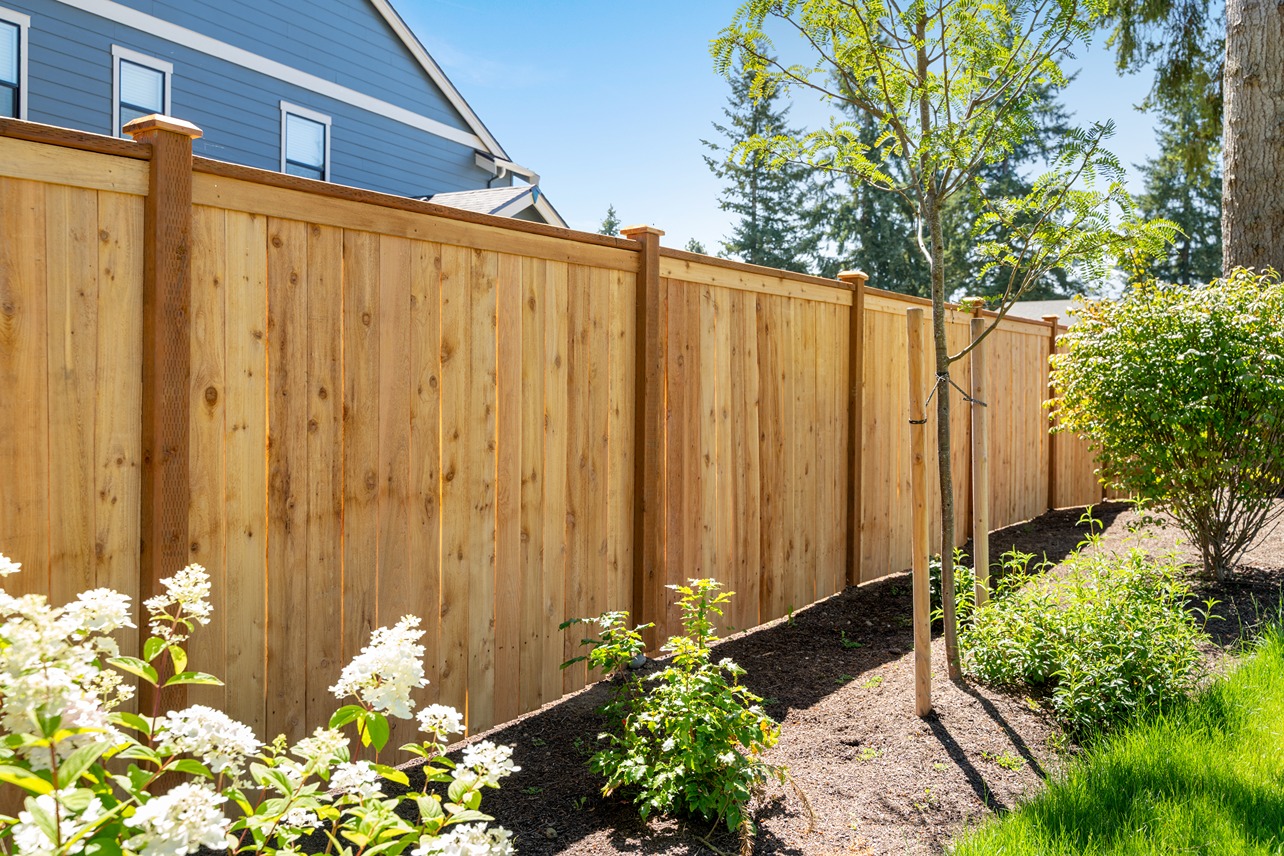
Deciding on cedar vs. pressure-treated pine fence in Seattle climate is one of the most common decisions homeowners face when installing a new wood fence. With constant rain, damp winters, and mild summers, the Pacific Northwest climate puts significant stress on fencing materials compared to dry climates.
A fence that works well in Arizona may fail faster in Seattle. That’s why understanding the unique characteristics of each material’s treatment process, natural properties, and maintenance needs is critical.
In this guide, we’ll break down durability, lifespan, cedar fence cost, maintenance requirements, and long-term value so you can confidently decide on a cedar fence vs. pressure-treated pine fence for your property.

How Seattle’s Climate Affects Wood Fences
Seattle averages over 37–39 inches of rain annually, and even when it’s not actively raining, humidity remains high. That means fences rarely get a chance to fully dry out during fall and winter.
Constant moisture leads to:
- Rot and decay in wood fibers
- Mold and mildew growth
- Warping, twisting, and cracking
- Fastener corrosion
- Soil-level deterioration, especially for untreated cedar posts or improperly rated lumber in ground contact
This is where the debate over cedar vs. pressure-treated pine fence debate becomes important. The right material with proper care and regular maintenance can significantly extend your fence’s lifespan and reduce repair costs over time.
Cedar Fence in Seattle’s Wet Weather
Is Cedar Good for Fencing?
Many homeowners ask: Is cedar good for fencing in rainy climates like Seattle? The short answer: yes.
Cedar contains protective oils and tannins that make it naturally resistant to insects and moisture-related decay. Unlike untreated wood, cedar’s natural beauty and pleasant aroma add value beyond function. That’s why cedar fences often stand out in comparisonswith pressure-treated options.
How Long Does a Cedar Fence Last?
A common question is: how long does a cedar fence last in Seattle?
With proper installation and regular upkeep, a cedar fence can last 15–25 years. Longevity depends on:
- Quality of lumber, especially premium western red cedar
- Exposure to ground contact
- Sealing frequency with UV-protective stains or sealants
- Post installation method, whether using cedar posts or combining them with pressure-treated posts for added durability
When comparing pressure-treated pine vs cedar fence options, cedar generally maintains strong dimensional stability and structural integrity longer in above-ground components.
Cedar Fence Cost
Cedar fence cost is typically higher upfront than a pressure-treated pine fence. Material prices fluctuate, but cedar can cost 20–40% more depending on grade and sourcing.
However, this higher upront investment often translates into:
- Longer lifespan and lasting value
- Better dimensional stability to prevent warping
- Stronger curb appeal due to warm tones and rich color
- Higher resale value for your property
Homeowners planning to stay long-term often favor cedar for its durability and aesthetic advantage.
Cedar Fence Maintenance
Even though cedar resists rot naturally, cedar fence maintenance still matters. Does a cedar fence need to be treated? Technically, cedar can be left untreated. However, proper maintenance with sealing or staining every 2–4 years significantly extends its lifespan.
If you’re wondering how to keep cedar fence from turning gray, the answer is UV-protective stain. Without protection, cedar fades to a silver-gray tone due to sun exposure. Some homeowners like the look; others prefer to maintain the natural warm tones.
Pressure-Treated Pine Fence in Seattle's Wet Weather
Is Pressure-Treated Pine Good for Fences?
Many ask: Is pressure-treated pine good for fences in rainy climates? Yes, but for different reasons than cedar.
Pressure-treated wood is chemically treated through a treatment process that infuses preservatives deep into the wood fibers. This treatment protects the wood against rot, insects, and fungal growth, making it a widely used and affordable fencing material in the United States.
You may also ask: Is pressure-treated pine a good fence material? The answer depends on expectations. It performs well when properly maintained, especially at ground contact points where moisture exposure is highest.
How Long Does a Pressure-Treated Pine Fence Last?
Another frequent question is: How long does a pressure-treated pine fence last in wet conditions?
In Seattle’s climate, you can expect 12–20 years depending on:
- Treatment grade and chemical preservatives used
- Soil drainage and installation quality
- Frequency of regular staining and sealing
- Post installation quality, often using pressure-treated posts for high-traffic areas or ground contact applications
In a cedar vs. pressure-treated pine fence comparison, pine may experience more warping or cracking over time due to moisture absorption and drying cycles.
Pressure-Treated Pine Fence Maintenance
Pressure-treated pine fence maintenance is essential in the Pacific Northwest.
Although chemical treatment protects against rot, surface sealing is still recommended every 2–3 years. If you’re researching how to care for pressure-treated pine fence systems, key steps include:
- Applying a water-repellent sealant to protect the wood fibers
- Inspecting for splits and cracks regularly
- Replacing damaged boards promptly to maintain structural integrity
- Keeping soil away from pickets to prevent moisture wicking
Because pine is a softer wood, it may require slightly more attention than cedar over time.
Cost Advantage
The biggest advantage of a pressure-treated pine fence is affordability. Lower upfront material cost makes it attractive for:
- Large perimeter fencing and expansive projects
- Investment properties or rental homes
- Budget-conscious projects prioritizing function over form
That’s why many homeowners carefully compare cedar vs. pressure-treated pine fence options before committing.
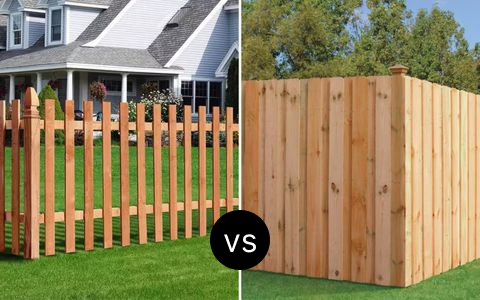
Cedar Fence vs. Pressure-Treated Pine Fence: Side-by-Side Comparison
Both materials can perform well in Seattle’s damp climate, but they do so in different ways. The real difference becomes more apparent over time in how they handle moisture, upkeep requirements, and long-term cost impact. Before committing to either option, it helps to look at how cedar and pressure-treated pine compare where it matters most for homeowners in the Pacific Northwest.
When deciding between pressure-treated pine vs. cedar fence, consider these key factors:
Durability in Rain
Cedar has natural resistance to insects and moisture-related rot due to its natural oils. Pressure-treated pine relies on chemical processing for protection. Both perform well, but cedar may maintain superior stability and structural integrity longer above ground.
Maintenance Effort
Cedar generally requires less structural maintenance, primarily sealing to retain color and extend lifespan. Pressure-treated pine requires regular upkeep including sealing to reduce cracking and warping.
Upfront Cost
Pressure-treated pine fence material is typically cheaper per linear foot. Cedar fence cost is higher but may offer better long-term investment value.
Aesthetic Appeal
Cedar offers a richer, more premium appearance with warm tones and a pleasant aroma. Pine has a lighter tone that darkens with stain.
Environmental Considerations
Responsibly sourced cedar can be more environmentally friendly due to sustainable forestry practices and less chemical use. Pressure-treated wood involves chemicals that can have a higher environmental impact and require careful disposal.
Long-Term Value
If you plan to stay in your home long-term, the cedar fence vs. pressure-treated pine fence comparison often favors cedar. For shorter ownership timelines, pressure-treated pine can make financial sense.
Which Fence Is the Better Choice for Your Seattle Home?
There’s no universal “best” choice, only the one that fits your property, budget, and long-term plans. Seattle’s wet conditions make durability important, but your ownership timeline and maintenance expectations matter just as much. Use the guide below to determine which material aligns better with your goals.
Choose cedar if:
- You plan to stay long-term and want a long-lasting fence
- You want natural resistance to rot and insect damage
- You prefer the premium appearance of western red cedar
- You’re comfortable with proper maintenance and periodic sealing
Choose pressure-treated pine if:
- Budget is your primary concern, and you want affordable fencing materials
- You’re fencing a large yard or high-traffic areas
- You’re planning to sell in a few years or want lower upfront cost
- You want strong ground contact protection with chemically-treated wood
Proper installation and drainage are important for maximizing the lifespan of either material, so working with experienced fencing professionals can help ensure optimal results.
Cedar vs. Pressure-Treated Pine Fence: Choosing the Right Fence for Seattle’s Climate
The cedar vs. pressure-treated pine fence decision ultimately depends on how you balance durability, maintenance, appearance, and budget. In Seattle’s wet climate, both materials can perform well when installed correctly and maintained over time.
Cedar offers natural resistance, long-term value, and a richer look, making it a strong investment for homeowners planning to stay for years. Pressure-treated pine provides a more affordable option with reliable protection against rot and insects, especially when properly sealed and maintained.
No matter which material fits your goals, proper installation is what ensures your fence stands up to Seattle’s rain. At Rare Bears Fencing, we build fences designed for the Pacific Northwest climate. Contact us today to create a fence built to handle Seattle weather for years to come.
FAQs
1. Is cedar better than pressure-treated pine for Seattle's weather?
Cedar naturally resists moisture and insects due to its internal oils. In Seattle’s rainy climate, it often maintains structural integrity longer above ground. However, pressure-treated pine also performs well when sealed and maintained regularly.
2. How long does a cedar fence last in Seattle?
With proper installation and maintenance, cedar fences typically last 15–25 years in Seattle’s wet climate. Lifespan depends on sealing frequency and ground contact exposure.
3. How long does a pressure-treated pine fence last?
A well-maintained pressure-treated pine fence can last 12–20 years in Seattle. Proper sealing and drainage significantly impact longevity.
4. Does cedar fence need to be treated?
Cedar does not require treatment to resist rot, but staining or sealing extends its life and helps preserve its original color.
5. Is pressure-treated pine good for fences in rainy climates?
Yes. The chemical treatment protects against decay and insects. However, sealing is still recommended to prevent cracking and warping.
6. Which fence requires less maintenance?
Cedar generally requires less structural maintenance but still benefits from sealing. Pressure-treated pine may need more frequent surface care to prevent splitting.
7. Is cedar good for fencing long term?
Yes. Cedar is considered one of the best natural wood options for fencing, especially in moisture-heavy environments like Seattle.




.svg)


.png)