.svg)
What Is a Chain Link Fence for Dog Run, and Why Is It the Best Option?
A chain link dog enclosure is a fenced outdoor space, usually rectangular, where your dog can exercise freely without supervision. It uses interlocking steel wire in a diamond pattern, stretched between metal posts set in the ground. This design offers strength, ventilation, and visibility all at once.
Chain link is the go-to choice for most dog owners and kennel operators because it's tough, affordable, and low-maintenance. A properly built dog run fence can last 15–20 years with minimal upkeep, far outlasting wood alternatives.
What Size Should a Chain Link Fence for Dog Run Be?
The right size depends on your dog's breed, energy level, and how much time they'll spend in the enclosure. A common starting point is a 10 x 10 ft space for small to medium dogs, while larger or more active breeds do better in a 10 x 20 ft or larger run.
Here's a quick sizing reference:
Most pre-made chain link fence panels for dog run setups come in widths of 4 ft or 5 ft, making it easy to build modular runs in standard sizes like 5 x 10, 10 x 10, or L x W configurations that suit your yard.
💡 Pro Tip: Always give your dog more space than the minimum. Dogs in cramped enclosures develop anxiety, dig more, and look for escape routes faster.
What Fence Height for Dogs Actually Keeps Them In?
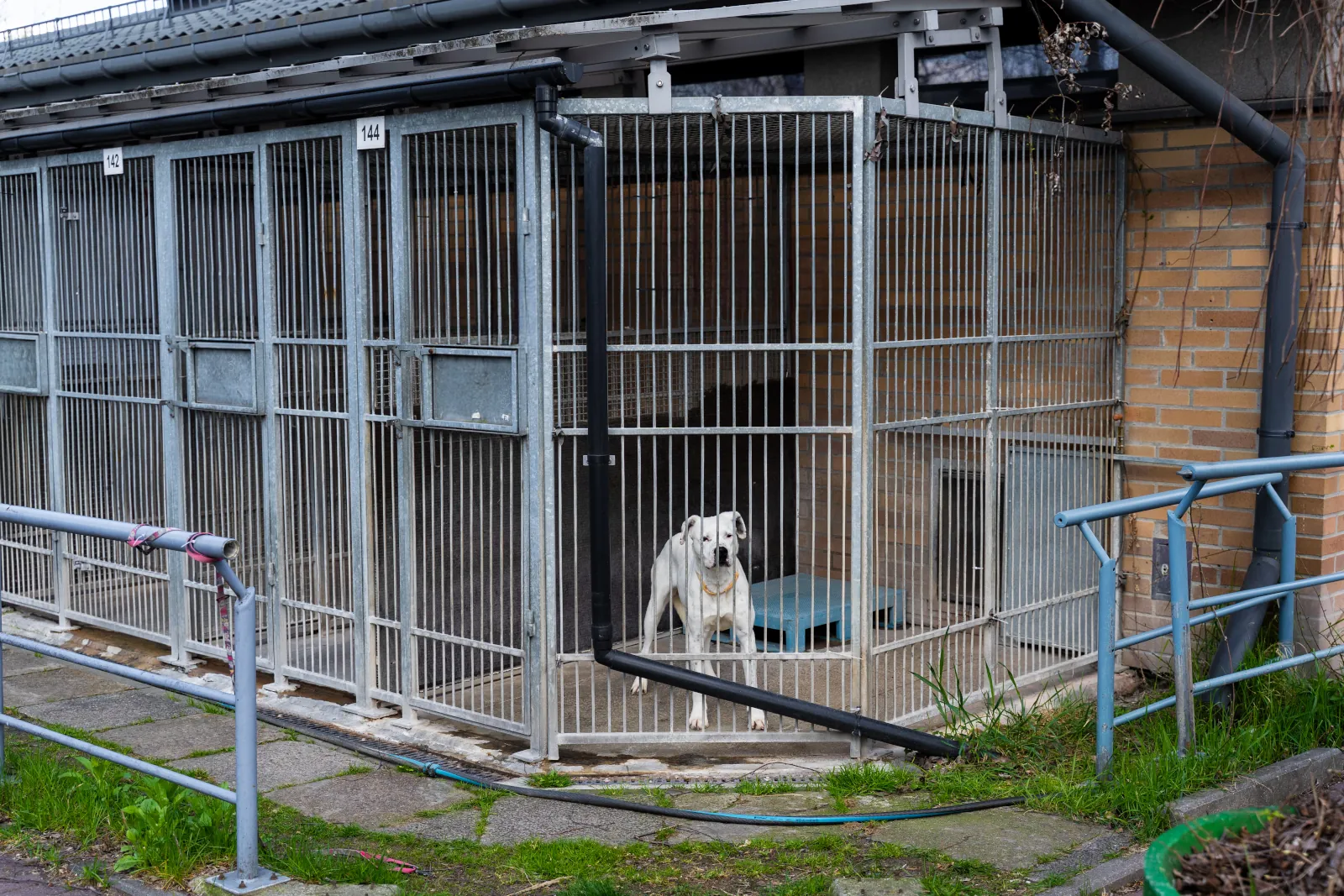
Fence height for dogs is one of the most important, and most underestimated, factors in dog run design. Most dogs under 50 lbs are well-contained by a 4-foot fence. But medium to large breeds, especially athletic ones like Huskies, German Shepherds, or Labradors, can clear a 4-foot fence with ease.
The general industry recommendation is 6 feet for any dog over 30 lbs or with a known jumping history. For extreme jumpers, some owners add a coyote roller (a rotating bar along the top of the fence) or extend posts above the fence line and angle them inward.
Here's a simple height guide:
- 4 ft — Small dogs, senior dogs, low-energy breeds
- 5 ft — Medium breeds with moderate energy
- 6 ft — Large breeds, high-energy dogs, known jumpers
- 6 ft + overhang — Dogs that have escaped 6-foot enclosures before
Dog Run Fence Ideas: Which Setup Is Right for Your Yard?
There's no single perfect layout for every yard. The best dog run fence ideas blend your available space, your dog's behavior, and your budget. Here are the most popular configurations:
- Attached Run — Built directly off the back of your house or garage, sharing one wall. Great for saving materials and giving your dog easy indoor-outdoor access.
- Freestanding Run — A standalone enclosure placed anywhere in the yard. More flexible but requires four full walls of fencing.
- Corner Run — Uses two existing yard fences as two walls, reducing the amount of new fencing needed. Works well if your existing fence is sturdy.
- L-Shaped Run — Offers more square footage and gives dogs two zones to move between, which reduces pacing and boredom.
Most chain link dog enclosure kits come in standard rectangular sizes but experienced fence contractors can customize the shape to fit your yard.
💡 Pro Tip: Position the run to get morning sun and afternoon shade. Too much direct heat is dangerous for dogs during summer months.
How to Build a Chain Link Fence for Dog Run
Here's how a typical chain link fence installation for dog run works, whether you’re handling the project yourself or hiring a contractor:
- Mark your layout. Use stakes and string to outline the perimeter. Check for square corners using the 3-4-5 rule (3 ft on one side, 4 ft on the other, and the diagonal should be exactly 5 ft).
- Dig your post holes. Posts should go into the ground at least 2 feet deep, or deeper in soft or sandy soil. Corner and gate posts need the deepest, most secure footing.
- Set the posts in concrete. Mix fast-setting concrete and pour it around each post. Allow 24–48 hours to cure before stretching any fence fabric.
- Attach the top rail. This horizontal rail runs along the top of all the posts and gives the fence its shape and rigidity.
- Unroll and stretch the chain link fabric. Start at one end, attach it to a terminal post, then pull it taut using a fence stretcher bar and puller. Loose fabric sags and weakens over time.
- Fasten the fabric to posts and rails. Use wire ties (also called hog rings) every 12–18 inches along the posts and top rail.
- Install the gate. Hang your gate with heavy-duty hinges and add a self-closing latch. Make sure the gate swings inward so dogs can't push it open.
- Secure the bottom edge. See the next section for this critical step.
- Add a roof if needed. Some dogs, or yards with predator pressure, require a covered kennel roof made of chain link or welded wire.
- Do a final check. Walk the entire perimeter. Look for gaps, loose ties, or spots where the fence isn't flush to the ground.
💡 Pro Tip: Always buy 10–15% more fencing material than your measurements call for. Mistakes, terrain changes, and awkward corners eat up more material than you'd expect.
How to Secure the Bottom of a Chain Link Fence for Dogs
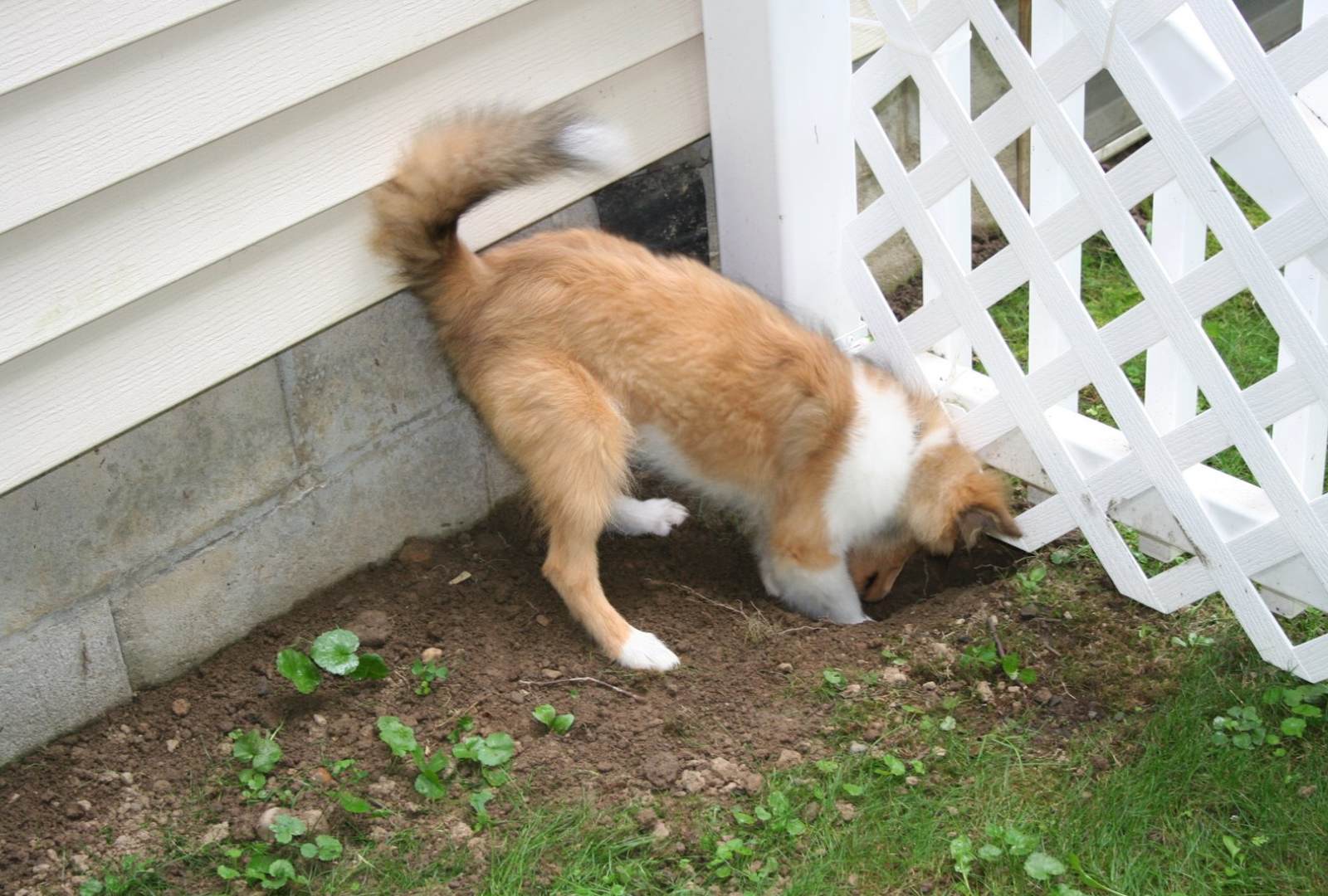
So, how do you stop a dog from digging under a chain link fence? This is the number one escape method for determined diggers and it's completely preventable with the right approach.
Knowing how to secure the bottom of a chain link fence for dogs is just as important as the fence height itself. Here are the most effective methods:
- Dig-guard apron — Bury an 18–24 inch strip of chain link horizontally along the base of the fence, bending outward. Dogs dig along the fence line, hit the buried wire, and give up.
- Concrete base — Pour a 4–6 inch concrete footer along the bottom edge of the fence. Permanent and highly effective, though more expensive.
- Gravel trench — Fill a trench along the inside of the fence with rocks or gravel. Dogs dislike digging through gravel and often stop trying.
- Landscape stakes — For quick installs, heavy-duty tent stakes pinned through the bottom of the chain link into the ground can deter light diggers.

Chain Link vs. Other Dog Run Fence Ideas: Which Is Better?
Chain link is the most popular choice, but it's worth knowing how it stacks up against alternatives.
Chain link wins on durability and cost. It also provides full ventilation, which matters for dogs spending hours outdoors. Wood looks nicer but rots faster, needs more maintenance, and gives dogs something to chew. Welded wire is stronger but typically more expensive per square foot.
For most dog owners building a dedicated dog run enclosure, chain link is the smart, practical, and budget-friendly pick.
Maintenance Tips: Keeping Your Chain Link Dog Enclosure in Top Shape
A chain link fence for dog run use is low-maintenance, but not zero-maintenance. A quick routine keeps it strong and safe for years.
- Check for rust spots every season. Surface rust on bare metal can be treated with a rust-converting spray. Replace any section where rust has eaten through the wire.
- Tighten loose ties along posts and rails. Over time, dog pressure and wind cause them to loosen.
- Clean the kennel floor regularly to prevent bacteria buildup, especially if the base is dirt or gravel.
- Inspect the gate latch and hinges every month. Gate hardware wears faster than any other part of the fence.
- Look for bent or bowed sections where dogs have pushed or leaned repeatedly. Straighten or replace these early before they become escape points.
Final Thoughts
A chain link fence for dog run setups is one of the best investments you can make for your dog's safety, freedom, and quality of life. Choose the right height, size your run generously, secure the bottom against diggers, and do a simple monthly check, and your enclosure will serve your dog well for 15 years or more. Ready to build? Contact the team at Rare Bears Fencing for a free consultation and custom quote tailored to your yard and your dog.
FAQs
How much does a chain link fence for a dog run cost?
A basic 10 x 10 ft chain link dog run kit typically ranges from $200–$600 for materials, depending on height and coating type. Professional installation adds $300–$800 or more depending on your location and site conditions. DIY setups save significant money if you're comfortable with basic tools.
What gauge chain link is best for a dog run?
Most dog runs use 11-gauge or 11.5-gauge chain link fabric. Heavier-gauge wire (lower number) is thicker and stronger, ideal for large, powerful breeds. Lighter gauges work fine for small dogs but may bend or deform under repeated pressure from bigger animals.
Can I use chain link fence panels for a dog run instead of building from scratch?
Yes, pre-built chain link fence panels for dog run setups are widely available at home improvement stores and online. They're easy to assemble and great for renters or people who want a portable solution. Most come in 4 x 8 ft or 5 x 10 ft sections that bolt together.
How do I stop my dog from jumping over a 6-foot chain link fence?
Add coyote rollers along the top, which spin when a dog grabs them and prevent climbing. You can also install an inward-angled extension on the posts to overhang the inside of the run. Removing anything near the fence that your dog could use as a step is equally important.
Do I need a roof on my chain link dog enclosure?
Not always, but a roof adds protection from predators (hawks, coyotes), sun exposure, and escape-prone climbers. If your dog can scale a 6-foot fence or you live in an area with wildlife, a chain link or welded wire roof is a smart addition. It also keeps your dog safer during storms.




.svg)


.png)