.svg)
What Is a Hog Wire Fence (Also Called Welded Wire or Wire Mesh Fence)?
A hog wire fence in Seattle has become one of the most requested residential styles. It gives you a clean, modern boundary while keeping your mountain or Puget Sound view completely intact.
Hog wire fencing consists of welded horizontal and vertical wires, usually set inside a wood or steel frame. A welded wire fence is often described using several names, including hog wire, cattle panel, or wire mesh fence, but they all point to the same open grid design that allows for unobstructed views while still providing a real physical barrier.
What Does Hog Wire Fence Cost in Seattle?
So what does hog wire fence cost once you factor in framing and wire quality? Hog wire fence cost in Seattle typically runs $15 to $38 per linear foot installed for framed panels, the style most residential properties actually use.
Basic, unframed hog wire fencing on its own generally costs $6 to $13 per linear foot, with installation labor adding another $3 to $8 per linear foot depending on site conditions. A wire mesh fence with coated wire, whether galvanized or black powder coated, typically costs $1 to $4 more per linear foot than uncoated wire, and it's well worth it for Seattle's wet winters.
Hog Wire Fence Panel Specs at a Glance
Here's a quick reference for what you're actually buying when you choose hog wire fence panels, which helps explain why hog wire fence cost in Seattle varies so much between quotes.
💡 Pro Tip: A 9 gauge wire is thicker and more rigid than 12 gauge, which matters if you're containing larger dogs or livestock rather than just marking a property line.
Hog Wire Fence vs Chain Link: Which Wire Mesh Fence Is Right for Seattle?
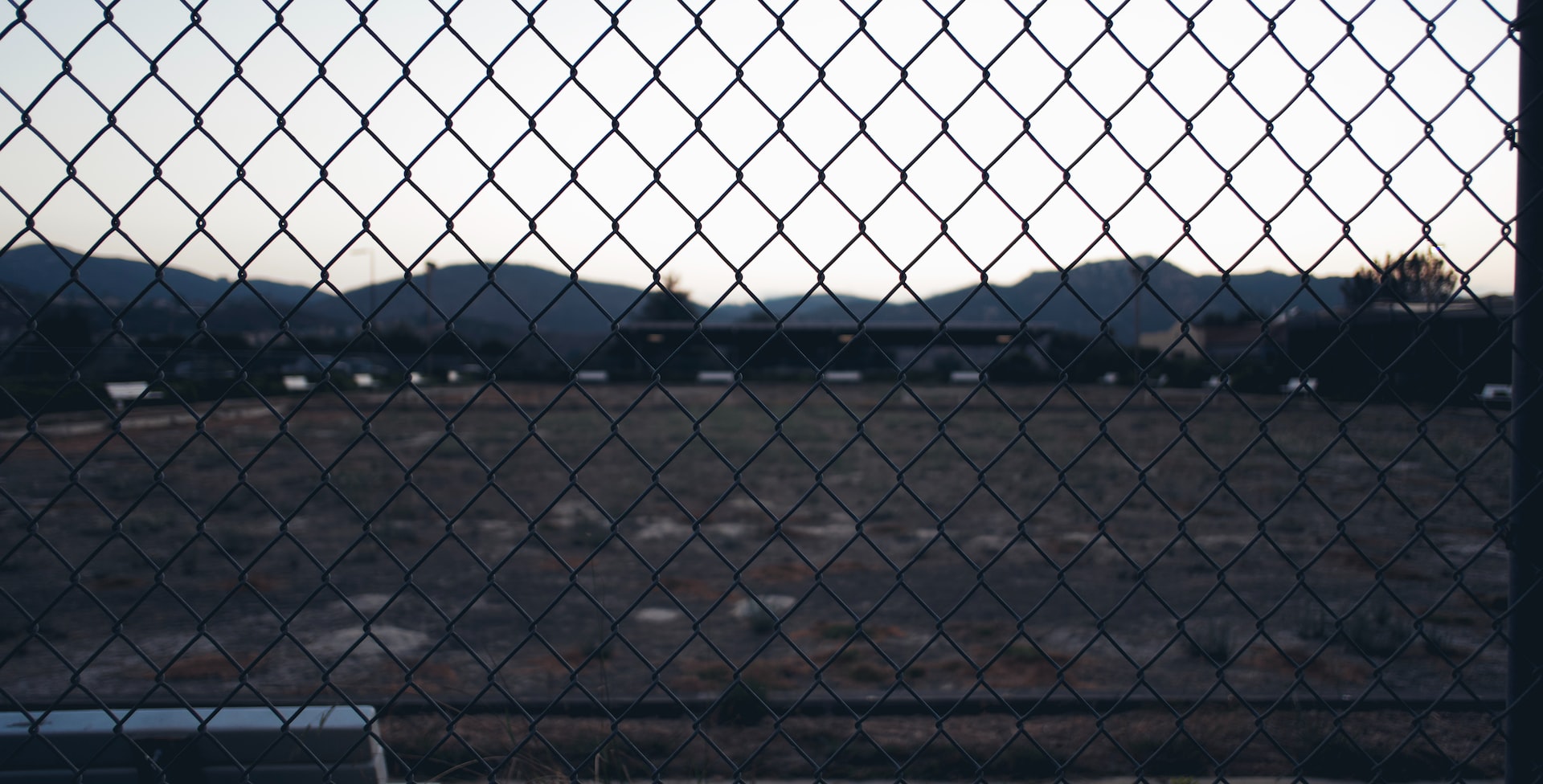
Hog wire fencing and chain link fencing get confused constantly, but they serve pretty different purposes. A welded wire fence uses a rigid grid of welded horizontal and vertical wires, while chain link uses a diamond pattern woven wire mesh instead.
Hog wire fencing is generally more expensive than basic chain link fencing, mostly because of the wood framing and welded mesh construction. If a simple, budget friendly boundary matters more than aesthetics, our chain link vs wire mesh comparison can help you decide which fits your property and budget better.
Where Hog Wire Fence Works Best
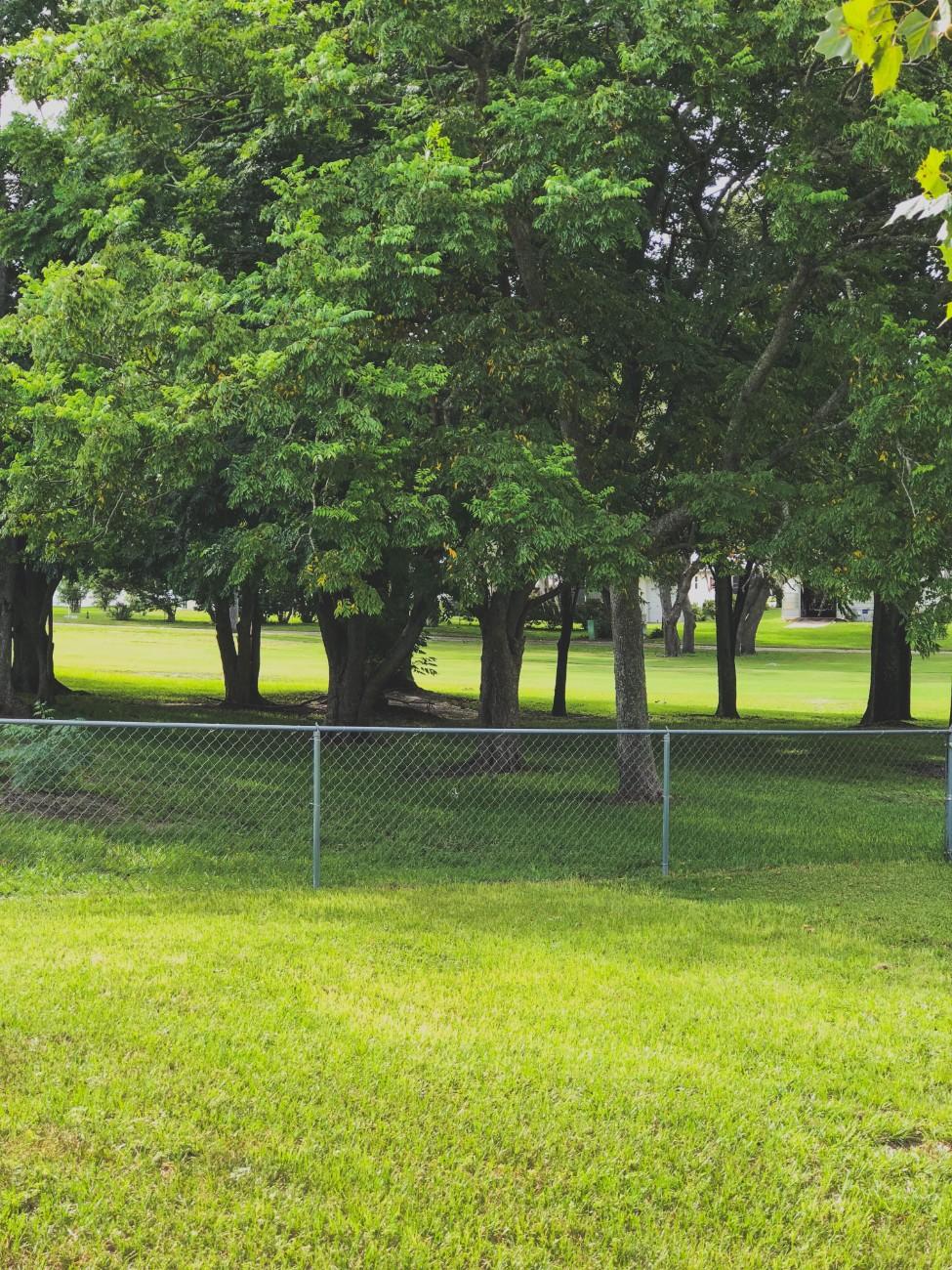
Hog wire fencing is versatile, but a hog wire fence genuinely shines in certain situations more than others.
- View sensitive lots. The open grid design preserves sight lines to mountains, water, or greenery.
- Modern home exteriors. The clean horizontal and vertical wire pattern pairs naturally with contemporary architecture.
- Sloped terrain. Panels can be adjusted more easily than solid fencing on uneven ground.
- Medium to large dog containment. Standard openings, typically 4x4 inches or smaller, contain most dogs comfortably.
- Garden protection. Hog wire fencing is commonly used for garden protection and decorative boundaries around raised beds.
- Deck and balcony railings. Hog wire fencing is often used as a safety barrier for decks and balconies, since a welded wire fence holds up well and still lets the view through.
Where Hog Wire Fence Falls Short
It's not the right fit for every yard or every goal, and it helps to know that upfront.
- Small dog containment. Standard grid spacing can be too wide for small breeds to stay contained safely.
- Privacy as a primary need. The open design that makes hog wire great for views works against you if privacy is the main goal.
- Tight urban lots. Where neighbors sit close and noise or visibility matters, a solid fence style may suit the property better.
The Pacific Northwest Look: Cedar Frame and Black Wire
Most Seattle installations follow one dependable formula. Among hog wire fence ideas Pacific Northwest homeowners actually build, a cedar frame paired with black powder coated wire mesh is by far the most popular combination in local neighborhoods.
The wood adds warmth and a natural material that fits Seattle's landscape, while the dark wire practically disappears against greenery and keeps the view clear. If you're drawn to this combination, our cedar frame options pair naturally with a galvanized welded wire fence insert for a look that holds up through wet winters.
Hog Wire Fence Ideas That Work in Seattle Yards
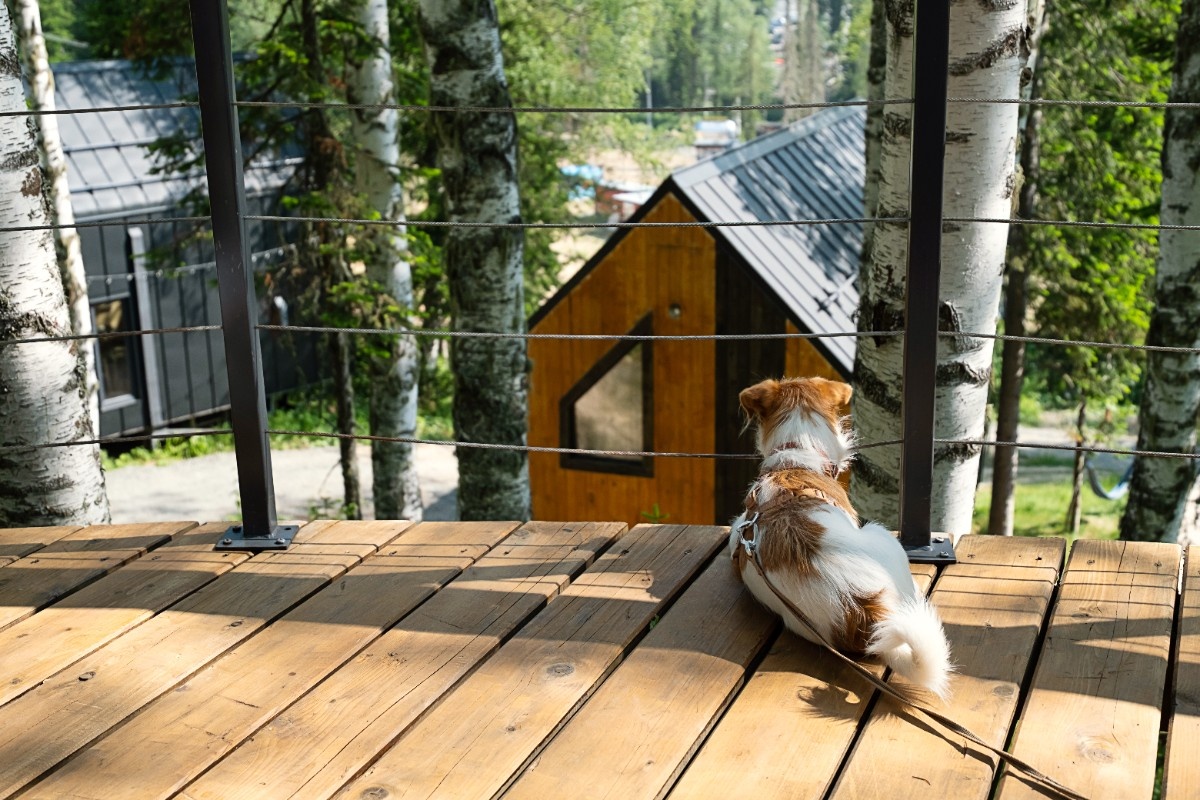
Beyond the classic cedar frame and black wire combination, Seattle homeowners are building hog wire fencing into a range of applications: as deck and balcony railings that keep the view open, as garden enclosures around raised beds, as interior courtyard dividers on larger properties, and as front yard accent fencing paired with natural plantings. The open grid design takes well to climbing plants like clematis and native vines — a combination that's increasingly popular in Eastside neighborhoods where naturalistic landscaping is a priority.
How a Hog Wire Fence Actually Goes In
Hog wire fencing proper build follows a clear sequence. Here's generally what the process looks like.
- Post layout and setting. Wood or metal posts are set at consistent spacing, sized to support the frame and panel weight.
- Frame construction. A wood frame is built between posts to hold each hog wire panel securely in place.
- Panel placement. Rigid hog wire panels, generally around 16 feet in length, are cut to fit and set inside the frame.
- Securing the mesh. The wire mesh is fastened to the frame using appropriate hardware so it stays taut and rigid over time.
- Gate installation. Gate installation follows the same framing principles, with reinforced hardware to handle regular use.
Maintaining a Hog Wire Fence in Seattle's Climate
The wire itself is genuinely low maintenance. High quality hog wire panels are galvanized to resist rust and corrosion, so a hog wire fence holds up well through wet winters with minimal attention, which is a big reason hog wire fence ideas Pacific Northwest wide keep growing in popularity.
The wood frame is a different story. It needs the same care as any cedar fence, including periodic sealing and an annual check for loose fasteners or early rot at the posts. Skipping that maintenance shortens the frame's life even if the wire itself still looks fine.
Hog Wire Fence Seattle: Is It Right for Your Yard?
A hog wire fence Seattle wide gives you a real boundary without sacrificing the view that makes your yard worth spending time in. Hog wire fence cost in Seattle varies by frame material and wire gauge, but it works best on view sensitive or sloped properties, and less well where privacy is the top priority. Ready to see if it fits your yard? Rare Bears Fencing serves Seattle, Everett, Kirkland, Bellevue, Bothell, and all of King and Snohomish County. Get your free estimate today.
FAQs
How much does hog wire fence cost per linear foot installed?
A hog wire fence with a cedar wood frame typically runs $15 to $38 per linear foot installed in Seattle. Heavier wire gauge, powder coating, and steel frames push toward the higher end. A professional site visit gives you an accurate number for your specific fence line.
Is hog wire fencing good for keeping dogs contained?
It works well for medium to large dogs, since standard grid spacing contains most breeds comfortably. Small dogs may be able to slip through the openings, so it's worth measuring against your specific pet.
What is the difference between hog wire and welded wire fence?
Hog wire fencing is a type of welded wire fence, generally referring to the grid pattern with 4x4 or 6x6 inch openings used in fencing panels. Among hog wire fence ideas Pacific Northwest homeowners choose, both terms are often used interchangeably by homeowners and contractors.
Does hog wire fencing provide privacy?
No, the open grid design is meant to preserve visibility rather than block it. If privacy is your main goal, a solid wood or vinyl fence style is generally a better fit.
How long does a hog wire fence last?
The wire itself lasts 20 to 30 years when galvanized or powder-coated. The cedar wood frame typically lasts 15 to 25 years with proper sealing and maintenance. Uncoated wire and untreated wood frames can fail in 8 to 12 years in Seattle's wet climate, which is why coating and frame quality matter as much as installation.




.svg)


.png)