.svg)
What Is the Best Fence for a Sloped Yard in Seattle?
There’s no single best fence for a sloped yard that works for everyone. The right choice depends on how steep your land is, what kind of soil you’re working with, your budget, and your aesthetic preference. That said, the best fence for a sloped yard in our region typically handles moisture well and adapts to uneven ground without creating huge gaps at the bottom.
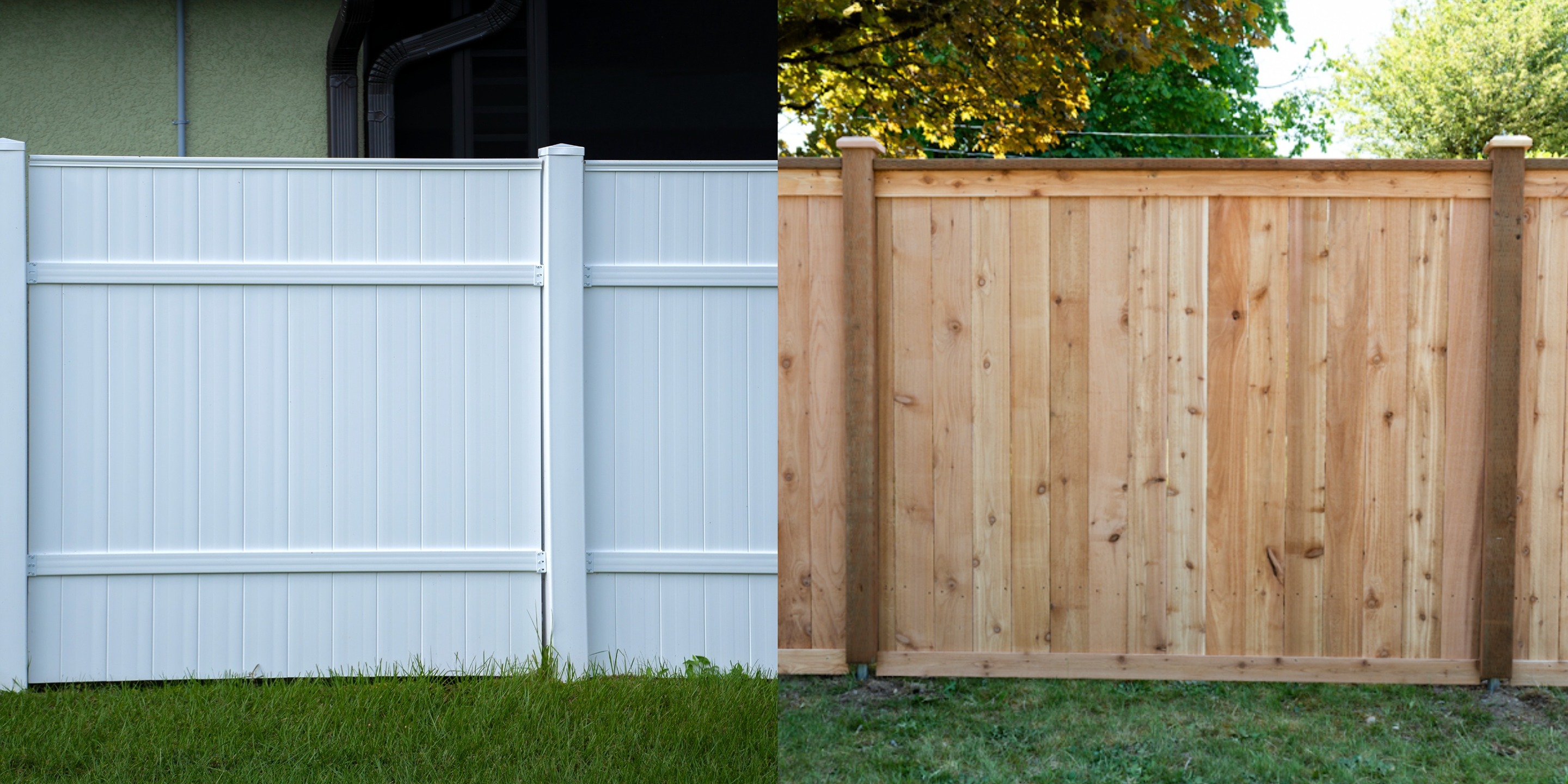
In Seattle’s climate, wood fence and vinyl fence on a slope are the most popular options. Both handle rain and sloping terrain well when installed correctly. Many homeowners also want their fence to serve multiple purposes, creating a privacy fence on sloped yard, providing security for pets and kids, blocking views of nearby houses, or matching an existing deck or stairs.
Understanding Your Yard’s Slope and Terrain
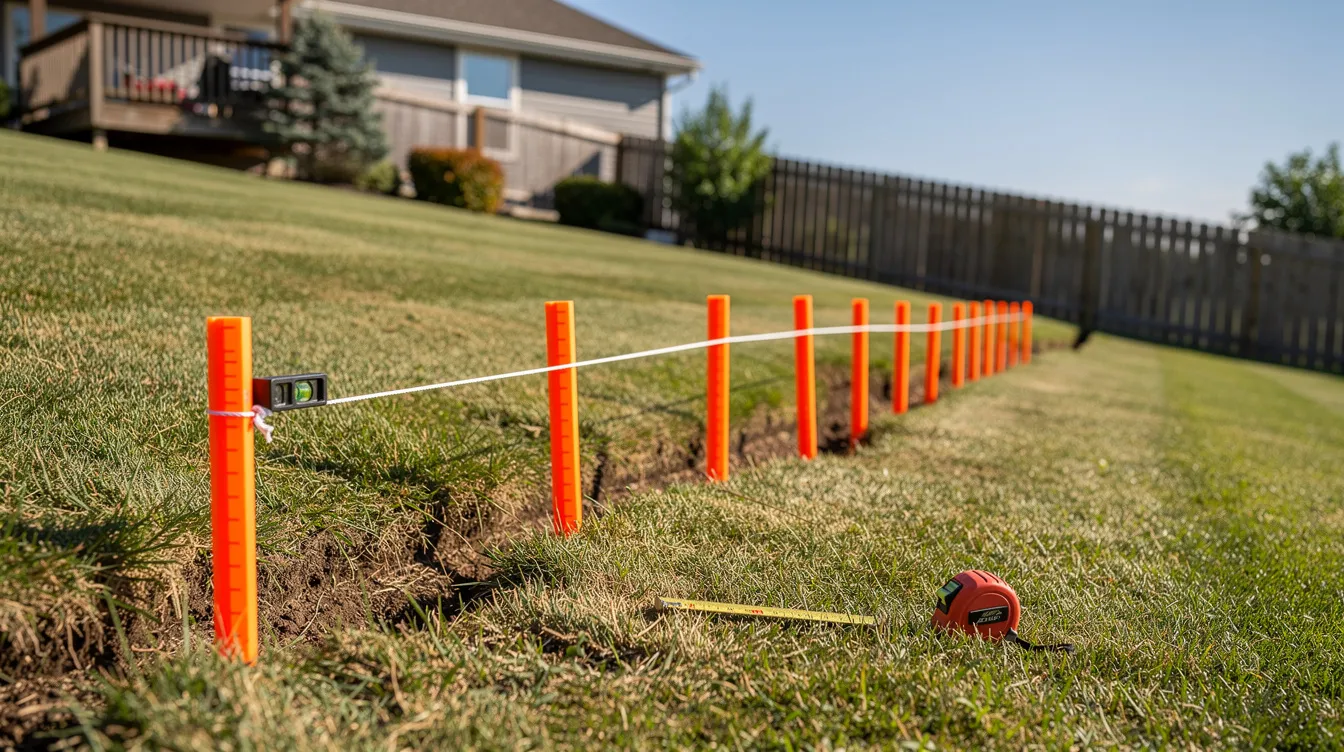
Before choosing materials or contractors, measure your yard’s slope to determine the best fence installation method. Use two stakes, a string, and a level to find the “rise” (vertical distance) and “run” (horizontal distance). Seattle’s hilly areas often have uneven ground and abrupt slope changes, making fence design challenging.
Factors like rocky soil, existing landscaping, and drainage issues affect whether to use racked or stepped installation. Proper planning ensures stability, prevents erosion, and avoids fence damage from water pooling or leaning posts. Additionally, an old retaining wall can provide valuable support and help anchor your new fence securely on sloped property.
The Two Main Methods for Installing a Fence on a Slope
When you're thinking about how to install a fence on a slope, there are two common techniques that most homeowners and contractors use. Understanding both will help you figure out which one fits your yard's slope, your budget, and your fence aesthetic preference.
1. The Stepping Method
The stepping method means each fence panel stays level, but the panels drop down like stair steps as they follow the slope ground. This creates an orderly, clean look. It works best on a steeper slope where a smooth transition isn't possible. Each fence panel sits at level ground height, but there are gaps between the bottom rail and the soil.
Many homeowners love the stepping method because it keeps straight lines and looks very neat. However, those gaps at the bottom can be a problem if you have pets or small children. You may need to add extra material below each panel to close them.
2. The Racking Method (Racked Installation)
The racking method, also called a racked fence or racked installation, is where the fence panels follow the natural angle of the slope. The fence rails run parallel to the sloping terrain, and the fence panels angle with the land. This works especially well for gentle slopes and gives a smooth, flowing look.
Learning how to build a horizontal fence on sloped yard spaces often involves the racking method. The horizontal rails tilt to match the yard's slope while the fence posts remain perfectly upright. This is one of the most common techniques used for a horizontal fence on slope projects in Seattle.
Fence with Retaining Wall: For Very Steep or Eroding Slopes
When your slope is too steep for racking or stepping, installing a fence atop a retaining wall is an effective solution. The wall stabilizes soil, while the fence adds privacy and security, ideal for steep or eroding yards. Materials like concrete or stone support wood or vinyl fences, but professional guidance is crucial to ensure structural safety and proper drainage.
Best Fence Materials for a Sloped Yard in Seattle
The material you choose matters just as much as the installation method. Seattle's rain and humidity put extra stress on fence materials. Here are the top choices for fences for sloped yard projects in the Pacific Northwest.
Chain Link Fence on Sloped Yards
Chain link fences are a practical and budget-friendly option for sloped yards in Seattle. Their flexible mesh design allows them to easily conform to varying levels and uneven ground, making installation on slopes straightforward. Chain link fences provide reliable security without obstructing views, and their low maintenance requirements make them ideal for homeowners seeking a durable, cost-effective fencing solution. Additionally, chain link fences can be combined with privacy slats or landscaping to enhance privacy while maintaining their adaptability to sloping terrain.
Wood Fence on a Slope
A wood fence is a popular choice for sloped yards in Seattle due to its flexibility and ease of customization. Cedar and redwood resist moisture well, but require regular sealing to prevent rot. Wood fences offer design freedom, allowing for privacy, decorative styles, or combining with retaining walls for erosion control.
Vinyl Fence on a Slope
Installing a vinyl fence on a slope is ideal for Seattle homeowners due to its low maintenance and moisture resistance. Vinyl panels are rigid, so the stepping method suits slopes best, with each panel stepping down the fence line. Properly placed, deep, and straight fence posts ensure a secure, polished look. Vinyl fences offer a crisp, modern appearance perfect for sloped yards.
Other Material Options
Besides wood and vinyl, Seattle homeowners sometimes use aluminum, or composite materials for fences on sloped yard projects. Aluminum is rust-resistant and works well for decorative fences. Composite materials blend wood fibers and plastic for a look that is natural and low maintenance.
Quick Comparison: Best Fence for a Sloped Yard by Material
Here’s a quick comparison table of common fence materials for sloped yards in Seattle, showing the best installation methods, maintenance needs, ideal uses, and average costs per linear foot.
Keep in mind, actual costs can vary depending on factors like material quality, the complexity of your slope, labor rates, and your specific location, so it’s always best to get detailed quotes from local professionals.
How to Build a Fence on Uneven Ground
Many Seattle homeowners ask how to build a fence on uneven ground without it looking messy or falling apart. The process is straightforward once you know the steps. Here is how most professional sloped fence installation projects go:
- Survey your yard: Walk the fence line and note where the ground rises and falls. Look for abrupt changes in elevation, drainage issues, and any large rocks or roots.
- Choose your method: Decide between the stepping method or the racking method based on your yard's slope and your fence style preference.
- Mark your posts: Use stakes and string to mark where each fence post will go. Posts typically go every six to eight feet along the fence line.
- Dig post holes: Each hole should be at least one-third of the post's total length deep. This gives the fence post stability on sloping terrain.
- Set and secure posts: Pour concrete around each fence post and let it cure. Make sure every post is plumb, meaning perfectly vertical.
- Attach rails and panels: Install the top rail and bottom rail first, then attach fence panels. Adjust for the slope using your chosen method.
- Check for gaps: Walk the fence line and look for gaps at the bottom. Fill them to keep pets in and critters out.
- Finish and seal: Apply paint, stain, or sealant to wood fences. Check all hardware on vinyl or aluminum fences.
How to Build a Horizontal Fence on Sloped Yard Spaces
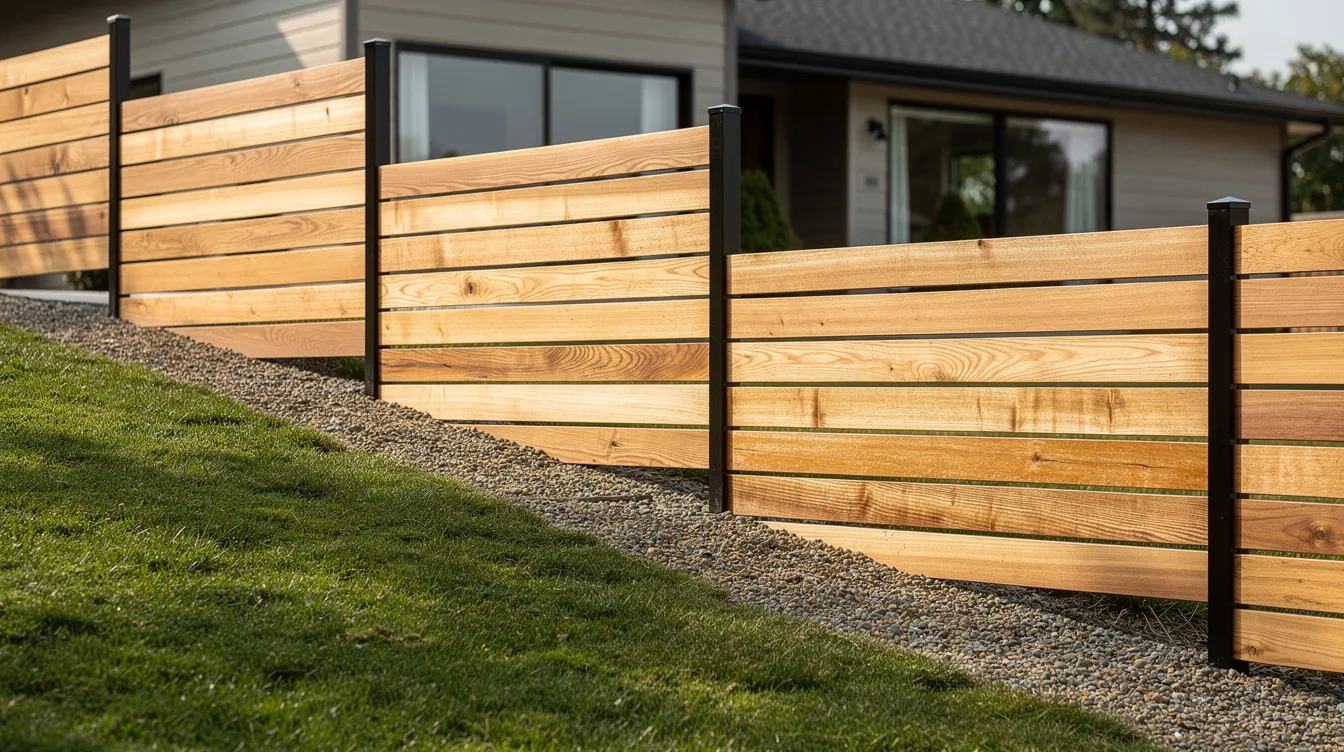
Horizontal fences are very popular in Seattle for their modern, clean look and blend well with lush yards. Building one on sloped land requires careful planning. The key challenge is keeping horizontal rails level for aesthetic appeal, which can create gaps at the bottom on steep slopes. Most experts recommend maintaining level rails and filling gaps with landscaping or a low retaining wall.
To build, measure your yard's slope, mark and dig fence post holes evenly along the slope, set posts plumb, attach level horizontal rails, install horizontal panels, and fill any bottom gaps with soil or gravel to control erosion.
Getting Privacy: How to Install a Privacy Fence on Sloped Yard Spaces
For many Seattle homeowners, blocking views from neighbors or the street is the main goal. A privacy fence on sloped yard terrain requires a bit more thought than a standard privacy fence. The key challenge is making sure there are no gaps that defeat the purpose of the fence.
For a stepped privacy fence, you can add extra wood or a decorative lattice panel at the bottom of each step to close off gaps. For a racked privacy fence, the panels angle with the slope, so the fence stays flush with the ground and blocking views happens naturally.
Common Mistakes Homeowners Make with Sloped Fence Installation
Many homeowners run into problems when they skip key planning steps. Here are the biggest mistakes to avoid when taking on a sloped fence installation project:
- Not measuring the slope before choosing materials.
- Setting fence posts too shallow for sloped ground.
- Overlooking drainage, causing soil erosion.
- Using rigid panels on steep slopes.
- Ignoring gate placement and level ground.
- Skipping retaining walls on steep grades.
Pro Tips for Sloped Fence Projects in Seattle
Seattle contractors who work with sloped fence installation every day share a few insider tips that make a big difference:
- Use pressure-treated lumber for any wood that touches the soil. Seattle's wet climate means untreated wood at ground level will rot quickly.
- Go with stainless steel or galvanized hardware. Regular steel screws and nails will rust in Seattle's rainy climate and can stain your fence panels.
- Plan your project in spring or early summer. Installation goes smoother when the ground is not waterlogged from winter rain.
- Check your property lines before you start. Installing on your neighbor's land, even by a few inches, can cause expensive legal problems.
- Consider combining a wood fence with a retaining wall on slopes steeper than one foot of drop per four feet of run. This handles the slope, adds stability, and gives your backyard space a polished, landscaped look.
Finding the Best Fence for a Sloped Yard
A sloped yard does not have to be a fencing nightmare. With the right method, the right materials, and a solid plan, you can create a fence that is beautiful, secure, and built to last through Seattle's wettest winters. Whether you go with a stepping method using vinyl panels or a racked installation with cedar wood, the best fence for a sloped yard is the one that fits your budget, your yard's slope, your security needs, and your style.
Take the time to measure your slope, plan your fence posts, and choose materials that work with Seattle's climate. If you are not sure where to start, talking to a local fencing contractor can save you time and money. Hiring a professional fencing service ensures expert guidance, precise installation, and durable results tailored to your sloped yard’s unique needs. The best fence for a sloped yard is out there, and it is closer than you think.
FAQs
1. What is the best fence for a sloped yard in Seattle?
The best fence depends on your slope and goals. Use a racked wood or horizontal fence for gentle slopes, and the stepping method with cedar wood or vinyl panels for steeper slopes. Vinyl offers low maintenance, while wood provides flexibility and a natural look.
2. How do I install a fence on a slope without gaps?
To reduce gaps, use the racking method on gentle slopes so panels follow the ground angle. For steeper slopes with the stepping method, fill gaps with gravel boards, extra wood, landscaping, or a small retaining wall.
3. Can you put a vinyl fence on a slope?
Yes, vinyl fences work well on slopes, usually installed with the stepping method since panels are rigid. Make sure fence posts are deep and straight to securely hold each panel at its level.
4. What is a racked fence, and when should I use it?
A racked fence angles the panels to follow the slope, creating a smooth, natural look. It’s best for gentle slopes and is commonly used for horizontal fences on sloped yards.
5. How much does sloped fence installation cost in Seattle?
Sloped fence installation costs more than flat ground due to extra labor and planning, averaging from $25 to $60 per linear foot for wood or vinyl privacy fences. The price varies with fence style, material, slope difficulty, and fence length.
6. Do I need a permit to install a fence in Seattle?
Fences under six feet generally don’t require permits in Seattle, but taller fences or those on corner lots might. Always check with the city and your homeowner’s association before starting your project.



.svg)


.png)