.svg)
Understanding Vinyl vs Wood Fence Cost in Seattle
Homeowners usually see fencing as more than just a home improvement project. A good fence provides privacy, improves security, and contributes to a property’s overall appearance. When evaluating vinyl vs wood fence costs, most people are looking for a practical balance between initial expense, durability, and long-term maintenance effort.
In Seattle, local weather conditions are also an important factor when choosing fencing materials. Frequent rain and moisture exposure can gradually affect natural wood surfaces, sometimes leading to swelling, fading, or the need for repairs over time.
Many homeowners ask questions like whether a vinyl fence is cheaper than a wood fence or which is the better long-term investment: wood or vinyl. This guide explains the costs of vinyl vs. wood fences, installation pricing, and durability differences to help you decide which fencing option fits your property needs.
Choosing the Right Fencing Material: Vinyl vs Wood
When choosing between vinyl and wood fencing, consider how each material performs in everyday outdoor conditions.
Vinyl fencing is made from polyvinyl chloride (PVC), a durable outdoor material that resists rot, insect damage, and warping. In Seattle’s damp climate, vinyl fence panels are often chosen because they maintain their appearance without frequent repairs or repainting.
Wood fencing is commonly made from cedar or pressure-treated pine. It offers a natural, classic look that many homeowners prefer. However, wood fences usually need periodic staining, sealing, and board replacement to stay in good condition.
Homeowners compare vinyl and wood fencing because the materials support different priorities. Vinyl is often chosen for lower maintenance, while wood is preferred for its natural texture and traditional appearance. The best choice depends on whether convenience or aesthetic character matters more for your property.
Cost of Vinyl Fence in Seattle
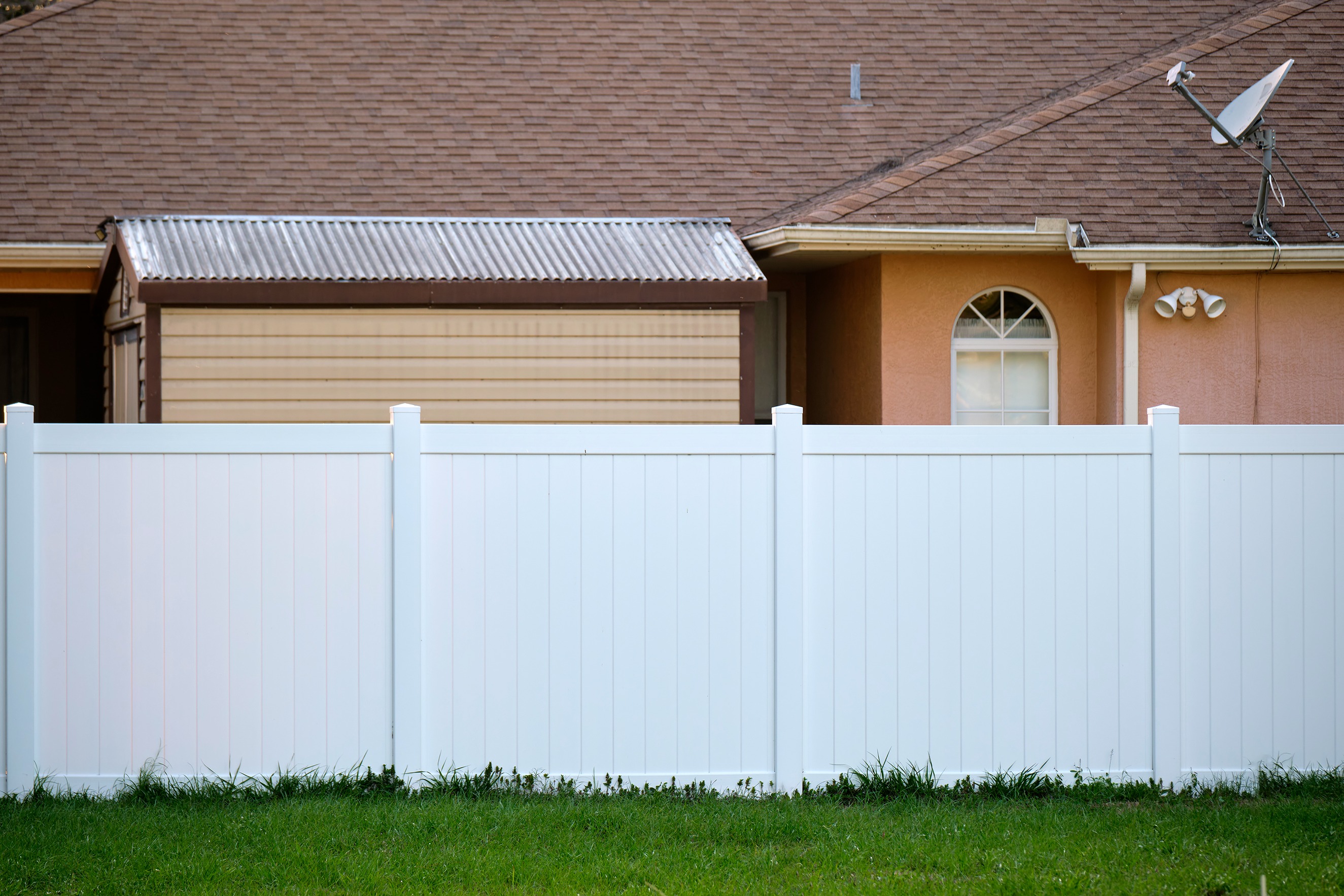
In most cases, the cost of a vinyl fence in Seattle is higher upfront than wood. The material costs more, which increases the total project price. However, vinyl typically requires far less upkeep after installation.
Vinyl fence cost varies based on:
- Fence height and layout
- Panel style and decorative details
- Material thickness and grade
- Site conditions, such as slope or soil
- Contractor labor and installation complexity
When comparing vinyl fence cost vs wood fence cost, many homeowners choose vinyl for reduced long-term maintenance.
The cost of a vinyl fence installation usually includes setting posts in concrete, assembling pre-manufactured panels, and final alignment. Since panels are ready-made, installation can be more efficient, though terrain and access still affect labor time.
Wood Fence Cost in Seattle
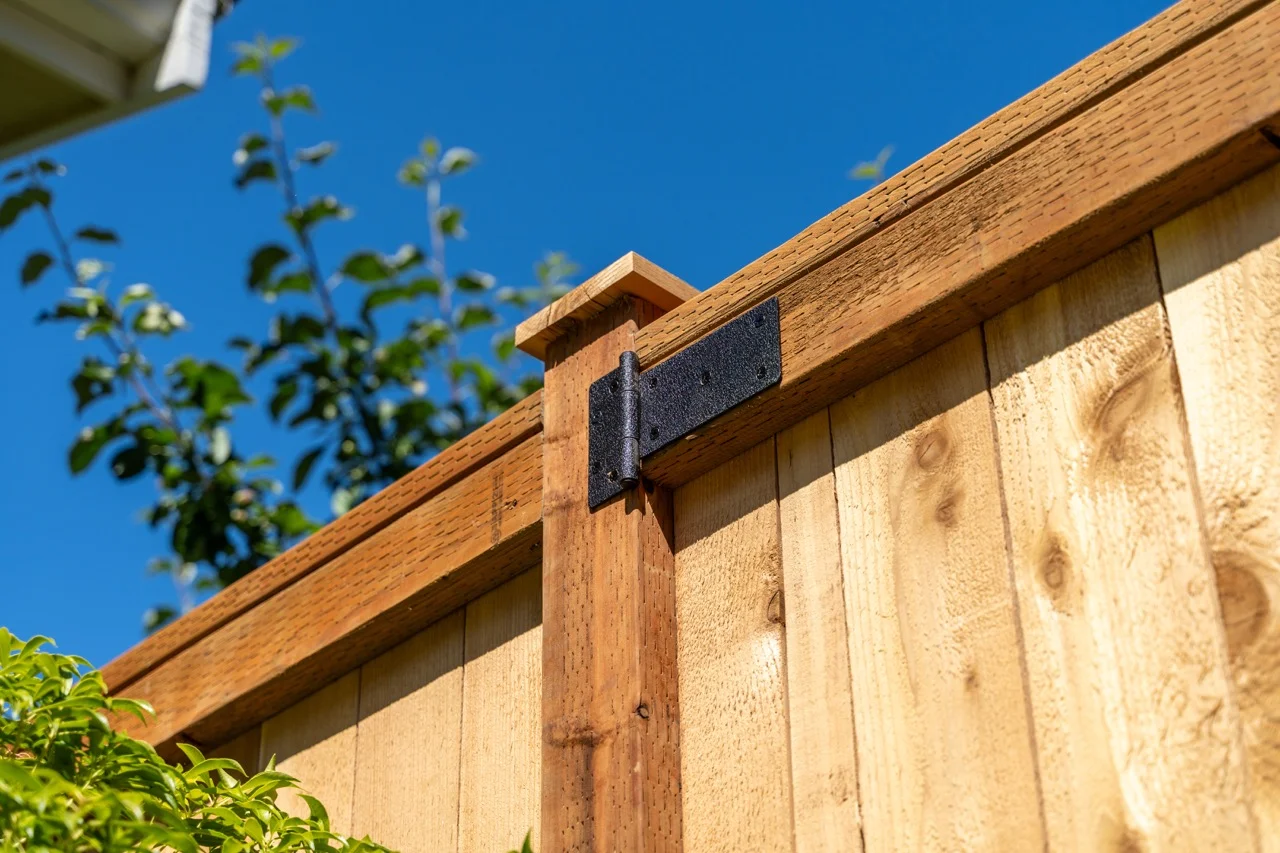
The cost of a wood fence is usually lower at the start, which is why many homeowners consider it first. Wood remains one of the most budget-friendly fencing materials for initial installation.
Wood fencing pricing depends on:
- The type of lumber used, such as cedar or pressure-treated pine
- Fence height and total linear footage
- Whether the wood is pre-treated or sealed
- Local labor rates and installation conditions
When homeowners ask how much wooden fencing costs, they are typically trying to estimate both materials and labor. The cost of a wood fence installation posts, rails, pickets or panels, and professional labor to secure everything properly.
While the upfront expense is often lower than vinyl, wood fences usually require ongoing maintenance over the years. Staining, sealing, and occasional board replacement can gradually increase the total ownership cost, especially in Seattle’s damp climate.
Installation Expenses: Labor Cost to Install Wood Fence
Labor is a major part of any fencing project and can sometimes approach material costs depending on site conditions.
The labor cost to install a wood fence may increase due to:
- Sloped or uneven terrain
- Rocky or compacted soil
- Difficulty setting fence posts securely
- Removal and disposal of an existing fence
In Seattle, installation pricing can vary based on contractor availability and site preparation requirements. Properties with clear access are usually easier and less expensive to work on than those with grade changes, roots, or tight spaces for equipment.
Vinyl fence installation may be slightly faster since the panels are prefabricated, reducing on-site cutting and assembly. However, posts still need to be properly aligned and set in concrete, so labor remains an important part of the total project cost.
Maintenance Cost and Long-Term Value
Wood Fence Maintenance
Wood fencing needs consistent care to remain structurally sound and attractive.
Ongoing maintenance often includes:
- Staining or sealing every few years
- Addressing moisture exposure from steady rain
- Replacing boards that warp, crack, or rot
For homeowners researching how much wooden fencing costs, it’s important to think beyond installation day. The long-term cost of a wood fence can increase gradually due to maintenance, especially in damp climates.
With regular upkeep, a well-maintained wood fence can last 10 to 20 years or longer. Without maintenance, that lifespan can shorten significantly.
Vinyl Fence Maintenance Advantage
Vinyl fencing appeals to homeowners who want less routine upkeep.
It naturally resists:
- Rot and insect damage
- The need for repainting or resealing
When comparing the cost of vinyl vs. wood fence over time, the lower maintenance requirements become part of the equation. While the upfront investment is higher, vinyl often reduces ongoing spending on repairs and surface treatments.
Most vinyl fences only require occasional cleaning with a garden hose or mild detergent to remove dirt or buildup. For many homeowners, that simplicity is a deciding factor.
Which Fence Is Better for Seattle’s Climate?
In Seattle, moisture isn’t occasional it’s constant for much of the year. That alone can influence fencing decisions.
Wood fences can be affected by:
- Ongoing rainfall and damp soil
- Moss or mold buildup in shaded areas
- Gradual surface wear if not sealed properly
Wood performs well when maintained, but it does require attention in a climate where moisture lingers.
Vinyl fences, made from PVC, are built to handle consistent weather exposure. They don’t absorb water the way wood does, and they typically maintain their color and shape despite long wet seasons.
Residential Fencing in Seattle: Choosing the Right Material
When planning a residential fencing project in Seattle, the decision usually comes down to a few practical questions:
- What’s the budget range?
- How much ongoing maintenance is realistic?
- What style fits the home?
- How will the yard be used?
A traditional craftsman-style home may look more cohesive with wood fencing that complements natural siding and landscaping. On the other hand, newer builds or modern remodels often pair well with vinyl fencing because of its clean lines and uniform finish.
The right choice often reflects the home’s character just as much as the homeowner’s maintenance tolerance.
Backyard Fencing in Seattle: Practical Considerations
For backyard fencing in Seattle, privacy tends to be the main priority, especially in neighborhoods where homes sit closer together.
Wood fencing is often selected when homeowners want a softer, more natural backdrop for gardens and outdoor living spaces.
Vinyl fencing is typically preferred when the goal is:
- Minimal upkeep
- Long-term structural stability
- A consistent, uniform appearance
Both materials can provide privacy. The difference usually shows up in how much effort you want to put into maintaining that privacy barrier over time.
Material Sustainability Considerations
Sustainability can also factor into the decision. Wood fencing is biodegradable and may be considered more environmentally conscious when sourced from responsibly managed forests. However, it often requires chemical treatments or sealants to extend its lifespan.
Vinyl fencing is not biodegradable, but it tends to last longer without replacement. Fewer replacements over time can reduce material waste in the long run.
For Seattle homeowners, durability and longevity often play just as important a role as environmental impact when choosing fencing materials.
Making the Right Choice Between Vinyl and Wood Fencing
Choosing between vinyl vs wood fence cost depends on balancing upfront investment and long-term upkeep. Wood fencing is often chosen for its lower initial cost and natural look but requires regular maintenance. Vinyl fencing costs more to install but generally performs better against moisture exposure in Seattle, making it a low-maintenance option for many homeowners.
If you’re unsure which fencing material fits your property, Rare Bears Fencing can help review your options based on your budget, maintenance preference, and property needs. Contact us today to discuss your fencing project and find the best solution for your home.
FAQs
1. What is the average cost of vinyl fencing?
Vinyl fencing generally requires a higher upfront investment than wood fencing due to the material and manufacturing processes. Total project cost can vary based on fence height, panel design, material thickness, and installation complexity. Decorative styles and difficult site conditions may also influence overall pricing.
2. How much does wood fence installation cost in Seattle?
Wood fence installation in Seattle depends on several factors, including the type of lumber used, fence height, property terrain, and labor requirements. Projects involving uneven ground, compacted soil, or old fence removal may require more preparation work, which can affect installation effort and overall project expense.
3. Is vinyl fencing more durable than wood fencing?
In terms of moisture and insect resistance, vinyl generally performs better. It does not rot, attract termites, or require sealing. Many vinyl fences last 25 to 30 years with minimal upkeep. Wood can also last a long time, but only with consistent maintenance.
4. How long does a wood fence last?
A well-maintained wood fence typically lasts 10 to 20 years. Lifespan depends heavily on climate exposure and how regularly it’s sealed or stained. In damp environments, neglecting maintenance can shorten that timeframe.
5. Which fence is better for backyard privacy?
Both wood and vinyl can provide full privacy when installed as solid panels. Wood offers a more natural appearance that blends into landscaping. Vinyl provides a cleaner, more uniform look and usually requires less ongoing care. The better option depends on your preferred style and how much maintenance you’re willing to handle over time.
6. Is a vinyl fence cheaper than wood?
In most cases, wood fencing is less expensive to install initially because the material and labor requirements are usually lower. Vinyl fencing typically costs more upfront due to manufacturing and installation factors, but it is often chosen by homeowners in Seattle who want lower maintenance over time. When comparing costs, it’s helpful to consider both installation price and long-term upkeep rather than focusing only on the initial cost.



.svg)


.png)