.svg)
What You're Actually Paying For: The Real Cost Breakdown
Before comparing dollar amounts, it helps to understand what each path actually includes. Most online cost guides are built on Midwest labor rates and flat suburban lots. Seattle is neither of those things.
What goes into a DIY project:
- Materials: lumber, posts, concrete, rails, and hardware
- Tool rentals: post hole digger, tamper, level (budget $150 to $300)
- Permit filing with the Seattle Department of Construction and Inspections (SDCI)
- 811 utility marking, which is required before any digging in Seattle
- Your time, typically 2 to 4 full days for a standard backyard
What a professional installation covers:
- Labor typically accounts for roughly 40 to 60% of total project cost in Seattle
- Permit coordination with SDCI, ensuring compliance and avoiding fines
- Site prep on sloped, rocky, or saturated ground, including proper post depth for durability
- Gate hardware, alignment, and cleanup
One number worth anchoring to: According to the Bureau of Labor Statistics, construction labor costs in the Seattle metro area rank among the highest in the country. That gap shows up in every contractor quote, and it is why DIY vs professional fence installation cost in Seattle looks very different from any national cost calculator.
DIY vs Professional Fence Installation Cost in Seattle by Material
Here's where the numbers get specific. Costs below reflect current Seattle market rates for a standard 150-linear-foot residential fence. Material-only figures are for DIY; installed figures include labor and site prep.
Wood Fence Installation Cost
- DIY materials: $8 to $15 per linear foot
- Professional installed: $25 to $50 per linear foot
- Total DIY estimate (150 LF): $1,200 to $2,250
- Total pro estimate (150 LF): $3,750 to $7,500
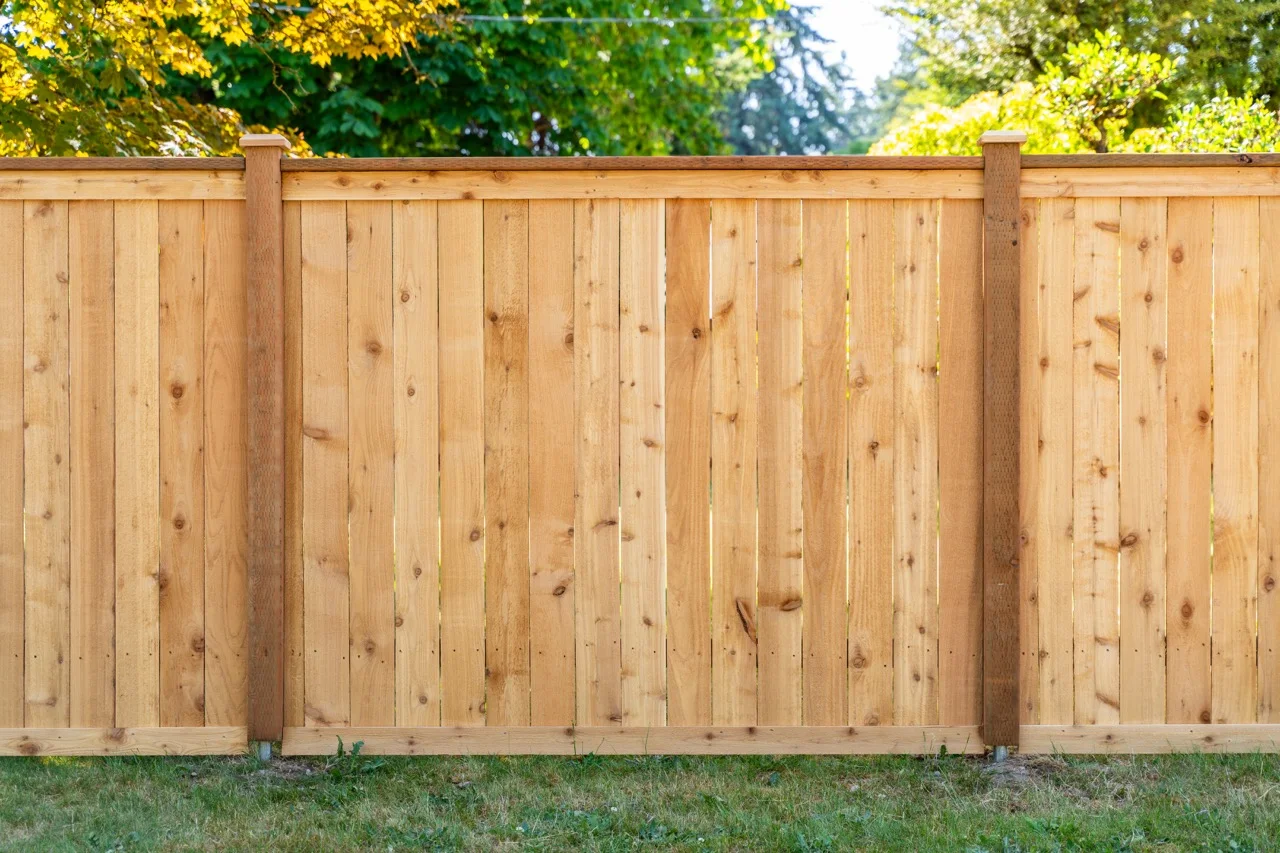
Cedar is the standard wood fence installation choice in Seattle because it handles the Pacific Northwest wet season better than pressure-treated pine. The catch with DIY wood fencing on a sloped lot in Beacon Hill or Magnolia is that every panel needs to be cut and stepped manually. Pros knock this out in a day. Most first-timers take three.
Vinyl Fence Installation Cost
- DIY materials: $10 to $20 per linear foot
- Professional installed: $25 to $50 per linear foot
- Total DIY estimate (150 LF): $1,500 to $3,000
- Total pro estimate (150 LF): $3,750 to $7,500
Vinyl panels are pre-cut and designed to click together, which makes DIY feel approachable. The problem is post spacing. Pre-made panels have fixed widths, and if your posts are off by even half an inch, the panels won't fit. On Seattle's uneven ground, getting that spacing consistent across 150 feet is harder than it looks.
Aluminum Fence Installation Cost
- DIY materials: $10 to $18 per linear foot
- Professional installed: $20 to $40 per linear foot
- Total DIY estimate (150 LF): $1,500 to $2,700
- Total pro estimate (150 LF): $3,000 to $6,000
Aluminum is the most forgiving material for DIY. Sections are lightweight, the hardware is straightforward, and the system tolerates minor adjustments. The one Seattle-specific issue is post depth. The city's wet, clay-heavy soil shifts seasonally, so posts need to be set deeper and with more concrete than standard guides recommend.
Chain Link Fence Installation Cost
- DIY materials: $5 to $12 per linear foot
- Professional installed: $14 to $32 per linear foot
- Total DIY estimate (150 LF): $750 to $1,800
- Total pro estimate (150 LF): $2,100 to $4,800
Chain link is the most budget-friendly option for both DIY and professional installation. For a full breakdown of chain link-specific costs and whether DIY makes sense for that material, check out our dedicated guide on chain link fence installation cost in Seattle.

Is It Cheaper to Build Your Own Fence in Seattle?
On paper, yes. In practice, three Seattle-specific factors determine whether those savings hold up.
Terrain
A flat lot in Shoreline is a completely different project than a terraced backyard in Queen Anne. Stepped fencing on a slope means more cuts, more material waste, and more time. Mistakes on a sloped install are expensive to fix after the concrete sets.
Soil conditions
Seattle's clay-heavy soil retains moisture year-round. Posts need to go deeper than national guides suggest, and concrete cure time is longer in cold, wet conditions. Skimping on post depth here means a leaning fence within two to three seasons.
Permit and utility requirements
SDCI requires permits for most residential fences over 6 feet. In most Seattle residential zones, solid fences up to 6 feet generally don't require a permit. For fences between 6 and 8 feet, requirements depend on fence design and your specific zone. Confirm with SDCI before breaking ground. You also need to call 811 before digging anywhere in Seattle to mark underground utilities. Professional contractors handle both as part of the job. DIYers who skip the permit risk fines and mandatory fence removal.
When you factor in tool rentals ($150 to $300), permit fees ($150 to $400), and a realistic 2 to 4 days of labor, the savings are real but narrower than a materials-only estimate suggests.
What the Labor Cost for Fence Installation Actually Covers
For readers close to a decision, this is the section that makes the pro cost make sense.
Seattle fence contractors are not just charging for physical labor. For a 150-linear-foot project, labor in King County typically runs $1,400 to $2,500 depending on material and site conditions. That cost covers:
- Post hole digging in rocky or compacted soil
- Concrete setting and cure management during wet weather
- Panel alignment across uneven or sloped grades
- Gate hardware installation and leveling
- Permit coordination with SDCI and 811 utility marking
- Hauling and disposal of old fencing on replacement jobs
The terrain and soil work alone accounts for a significant portion of that labor number. It's not padding. It's King County.
How to Price a Fence Per Foot as a DIY Project in Seattle
If you're leaning toward DIY, here's how to build a realistic per-foot budget before you buy a single board.
Start with your linear footage. Most Seattle residential backyards run between 120 and 180 linear feet for a standard three-sided install. From there:
- Posts: One post every 6 to 8 feet, plus corner and gate posts
- Concrete: Two to three 50-pound bags per post for Seattle soil depth
- Rails and panels: Varies by material, priced per linear foot
- Gate hardware: $80 to $250 per gate depending on style
- Permit fee: $150 to $400 through SDCI (confirm current rates at seattle.gov/sdci)
- Tool rental: $150 to $300 if you don't own a post hole digger
Quick DIY material reference (per linear foot, Seattle 2026):
These figures cover materials only. Add permit fees and tool rental on top, and divide by your total linear footage to get your real per-foot cost.

When to Hire a Seattle Fence Contractor Instead of DIYing It
Hire a pro if:
- Your lot has any visible slope or tiered landscaping
- You're replacing an existing fence and need demo work done first
- Your HOA requires stamped contractor documentation
- You want the permit pulled correctly the first time
- You're working with vinyl or wood near a shared property line
DIY is realistic if:
- Your yard is flat and easy to access from all sides
- You're installing aluminum on a straightforward layout
- You've done post-setting work before and have the tools
- You have 2 to 4 full days available and a helper
The material that most consistently tips the scale toward hiring a pro in Seattle is wood, specifically on anything but a flat lot. The combination of stepped cuts, cedar weight, and Seattle's soil makes it a project where the labor savings get eaten up by time and corrections.
The Bottom Line for Seattle Homeowners
DIY fence installation in Seattle can save you $1,500 to $4,000 in labor depending on material and yard size. That is a real number worth considering. But Seattle's terrain, clay soil, and fence permit requirements make this a closer call than any national cost guide will tell you. The homeowners who come out ahead on DIY are the ones who go in with accurate material estimates, pull their permits, and have a flat yard to work with.
At Rare Bears Fencing, we work with Seattle homeowners on wood, vinyl, aluminum, and chain link projects across King County. We know which yards are genuinely DIY-friendly and which ones look easy until the first post goes in wrong. If you want an honest number for your specific property, contact us for a free estimate and we will walk you through it.
FAQs
How much does it cost to install a fence in Seattle on average?
Most Seattle homeowners pay between $2,300 and $5,500 for a professionally installed residential fence, depending on material, linear footage, and site conditions. The city average for a standard install sits around $3,850 according to recent King County project data.
Is DIY fence installation legal in Seattle without a permit?
For fences under 6 feet, permits are generally not required in Seattle. Anything over 6 feet requires a permit from SDCI. Regardless of height, you must call 811 before digging to mark underground utilities. Skipping this step is both illegal and genuinely dangerous.
How much can I save by installing a fence myself in Seattle?
On a 150-linear-foot project, DIY can save $1,500 to $4,000 in labor depending on the material. Factor in tool rentals, permit fees, and your time before treating that as pure savings.
What fence material is easiest to install as a DIY project in Seattle?
Aluminum is the most forgiving for DIY installation. Sections are lightweight, the hardware system is straightforward, and the panels tolerate minor adjustments. Wood is the most difficult on any lot with a slope.
Does Seattle's rainy weather affect fence installation timing?
Yes. Concrete takes longer to cure in cold, wet conditions, which is most of the year in Seattle. Professionals account for this in their post-setting process. DIYers who rush the cure time on wet days often end up with posts that shift within a season or two.
How long does professional fence installation take in Seattle?
Most standard residential projects in Seattle take one to three days for a professional crew. Larger yards, sloped terrain, or replacement jobs that include demo work can push that to four or five days.
Can I install a fence on a sloped yard myself in Seattle?
It is possible but significantly more difficult. Stepped fencing on a slope requires precise panel cuts and more material than a flat install. If your yard has any meaningful grade change, getting a professional quote first is worth the hour it takes.
Do Seattle fence contractors handle HOA approvals?
Some do, but not all. Ask upfront. At minimum, a reputable Seattle contractor should be able to provide documentation, material specs, and photos that satisfy most HOA review processes.



.svg)


.png)