.svg)
What Is the Most Durable Fence Material for Rainy Climates?
Vinyl fencing and metal fencing are widely considered the most durable low maintenance fence options for rainy climates. Both materials resist rot, moisture damage, and UV rays without needing regular staining or sealing. For homeowners in humid or coastal areas, these materials offer the best balance of longevity and low upkeep.
So, what makes a fence "durable" in a rainy environment? Durability means the material won't absorb water, won't warp over time, and won't develop rotting boards or rust. Unlike wood fences, which can start rotting within 5–7 years without proper maintenance, vinyl and aluminum fencing can last 20–50 years with minimal maintenance.
The best fence for rainy climates is one that handles standing moisture, freeze-thaw cycles, and persistent humidity without losing its structural integrity — meaning the fence stays upright, stable, and safe.
Vinyl Fences: The King of Low Maintenance Fencing Options
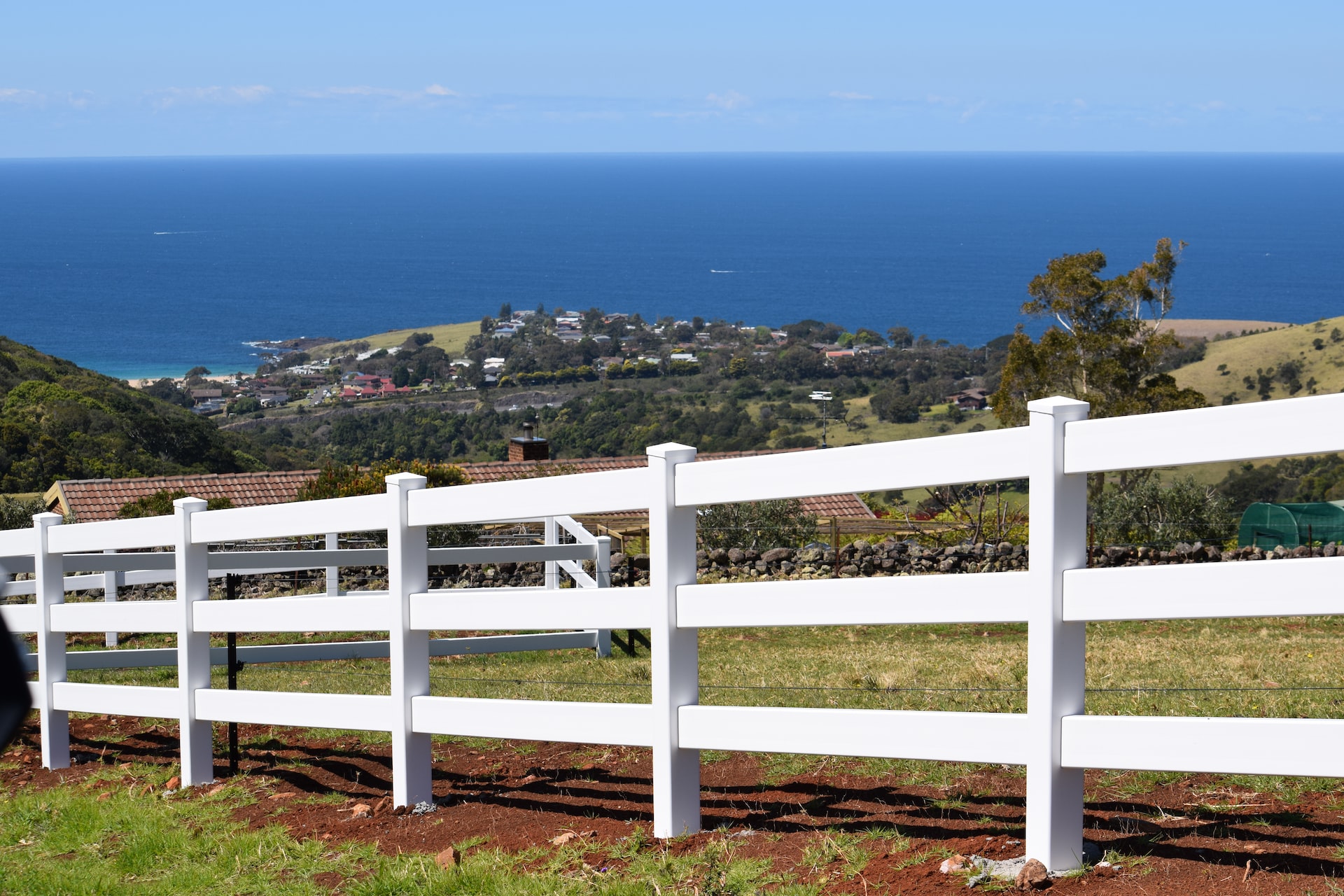
Vinyl fences are the go-to choice for homeowners seeking durable low maintenance fence options in wet climates. Most vinyl fences are made from PVC (polyvinyl chloride — a rigid, weatherproof plastic) and resist rot, rust, or moisture absorption even in very wet climates. A quality vinyl fence can last 20–30 years with almost no maintenance beyond soap and water.
Vinyl fencing is available in privacy fence styles, picket designs, and semi-privacy panels. Many vinyl panels feature reinforced aluminum cores, giving them extra strength for windy, storm-prone regions.
Why vinyl works in the rain:
- Completely waterproof fence panels, water slides right off
- No need for staining, sealing, or painting
- Resistant to insect damage and mold buildup
- Color is baked into the material, so UV rays won't fade it quickly
- Cleaning takes just an occasional rinse with a garden hose
Cost range: $20–$40 per linear foot installed, depending on style and region.
Cedar vs. Pressure-Treated Wood: Which Wood Fence Lasts Longer?
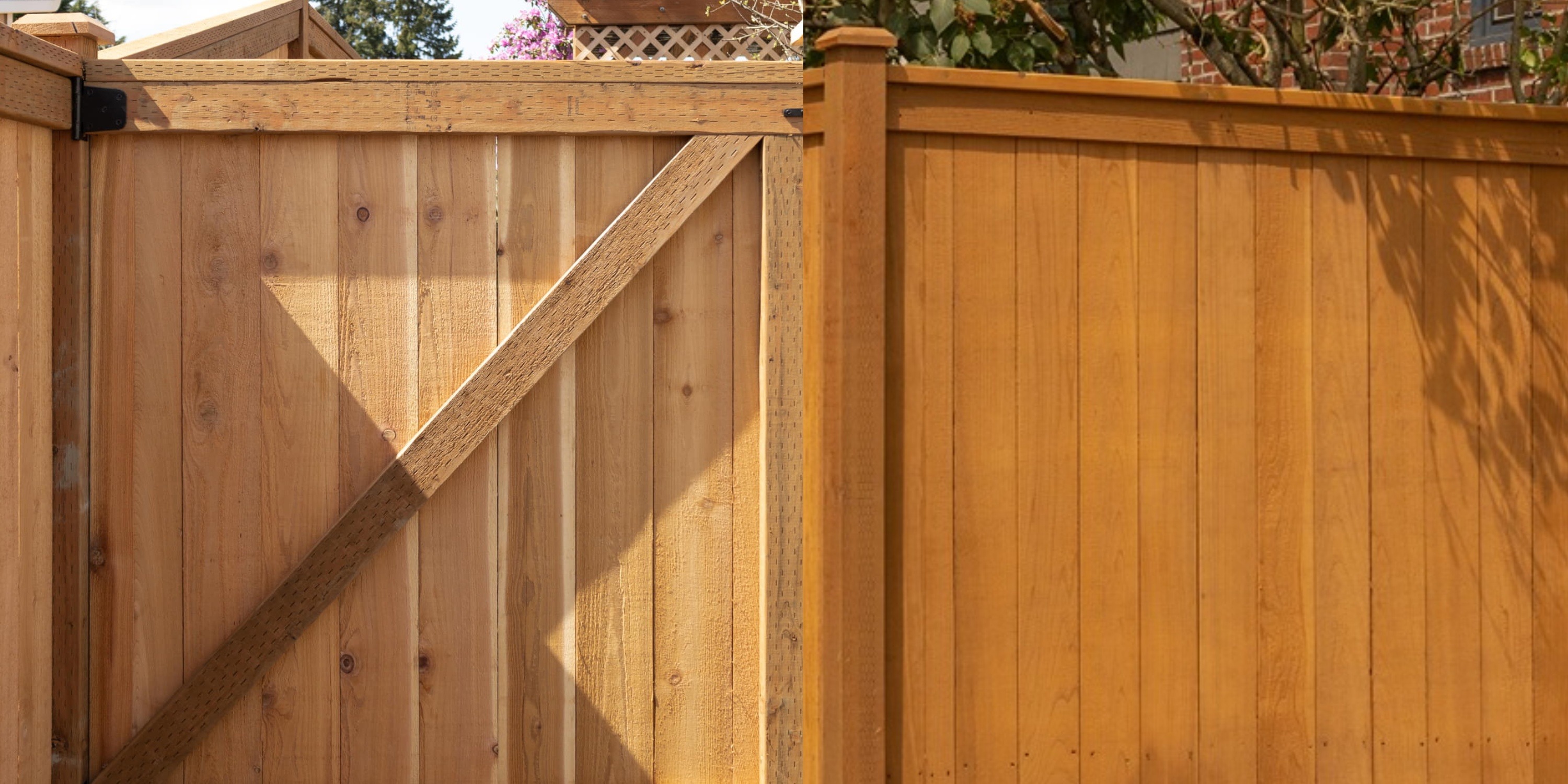
If a natural wood look is important to you, cedar and pressure-treated wood are your two best bets in a rainy climate. Cedar is naturally rot-resistant due to its oils, while pressure-treated wood (lumber chemically treated with preservatives to resist rot and insects) is engineered to survive in wet soil and high-moisture environments. Both are far better choices than standard pine or untreated softwood in rainy conditions.
Cedar fences can last 15–20 years in wet climates when properly sealed with a water-repellent wood sealer every 2–3 years. Pressure-treated wood, which uses preservative compounds driven deep into the wood grain, typically lasts 20–30 years, making it one of the most durable long-lasting fence materials available in the wood category.
Cedar vs. pressure-treated wood at a glance:
Which should you choose? Cedar wins on aesthetics and natural appeal. Pressure-treated wood wins on durability and lower cost. For rainy climates where the fence sits in or near wet soil, pressure-treated posts paired with cedar fence boards is a popular combination among fencing professionals, giving you the best of both worlds.
Aluminum and Steel Fences: Metal That Beats the Rain
Metal fences, particularly aluminum fences and steel fences, are excellent weather resistant fencing choices for rainy climates. Aluminum won't rust, making it ideal for coastal areas where salt air accelerates corrosion. Steel fences are stronger but require a powder coated finish (a baked-on protective coating applied electrostatically) to prevent rust.
Aluminum fencing typically lasts 30–50 years with minimal upkeep. Steel fencing, when properly powder coated, can match that lifespan. Both are far more maintenance free than chain link fence options, which can rust at exposed cut edges.
Key differences between aluminum and steel:
- Aluminum fences: Lightweight, 100% rust-proof, great for decorative styles, lower cost (~$20–$35/linear ft installed)
- Steel fences: Heavier, stronger, better for security, higher cost (~$30–$50/linear ft), must be powder coated for rust protection
For low maintenance privacy fence needs, aluminum is rarely the right pick since most aluminum styles are open (decorative). Steel or vinyl privacy panels work better there.

Wood Fencing in Rainy Climates: What Holds Up Best
Wood fencing can work in rainy climates, but only with consistent, regular maintenance. Unlike composite or vinyl fences, wooden fences absorb moisture, which leads to rotting boards, warping, mold, and insect damage over time. Without proper maintenance every 2–3 years (staining, sealing, replacing damaged boards), a wood fence in a wet climate may only last 5–10 years.
Pressure-treated wood (lumber chemically treated to resist rot and insects) and naturally rot-resistant species like cedar and redwood perform significantly better. Cedar fences can last 15–20 years in rainy climates when properly sealed with a quality water-repellent wood sealer.
Is wood ever the right choice?
If you love the look of real wood and are willing to commit to regular maintenance, cedar or redwood are your best bets. But for most homeowners seeking little maintenance and long-term value, vinyl or aluminum fencing is a more worthwhile investment.
Vinyl vs. Aluminum vs. Wood: Which Is Better for Your Home?
The best durable low maintenance fence option depends on your priorities — privacy, appearance, budget, and how much you want to spend on upkeep. Here's a direct side-by-side:
For most homeowners in rainy climates, vinyl fencing edges out the competition for pure ease and value. Cedar or pressure-treated wood is the right pick if a natural aesthetic matters most. Aluminum wins for longevity and coastal environments.
How to Choose the Right Low Maintenance Fence for Your Property
Choosing the right weather-resistant fencing doesn't have to be complicated. Follow these steps:
- Assess your climate specifics. How much annual rainfall do you get? Is your area also coastal (salt air), heavily wooded (shade, moisture), or prone to high winds? Each adds different stress to fencing materials.
- Define your primary purpose. Do you need a low maintenance privacy fence, a decorative boundary, or security fencing? This narrows your material choices immediately.
- Set a realistic budget, including long-term maintenance costs. A cheaper wood fence at $15/linear ft may cost more over 10 years than a $35/linear ft vinyl fence once you factor in staining, repairs, and replaced rotting boards.
- Check local building codes. Many municipalities have height restrictions, setback rules, or HOA requirements. Fencing professionals can help you navigate these before you purchase materials.
- Request quotes from at least 3 licensed fencing companies. Compare not just price but warranty, materials brand, and post depth (posts should be set at least 1/3 of their total length underground for stability).
- Choose a material with a manufacturer warranty. Quality vinyl and aluminum fences carry 20–lifetime warranties. This signals durability and gives you recourse if products fail early.
- Plan for drainage. Make sure fence posts don't sit in pooled water. Concrete footings (the solid base poured around a post in the ground) should sit above the frost line and allow some drainage.
How to Keep Your Fence Looking New With Minimal Upkeep
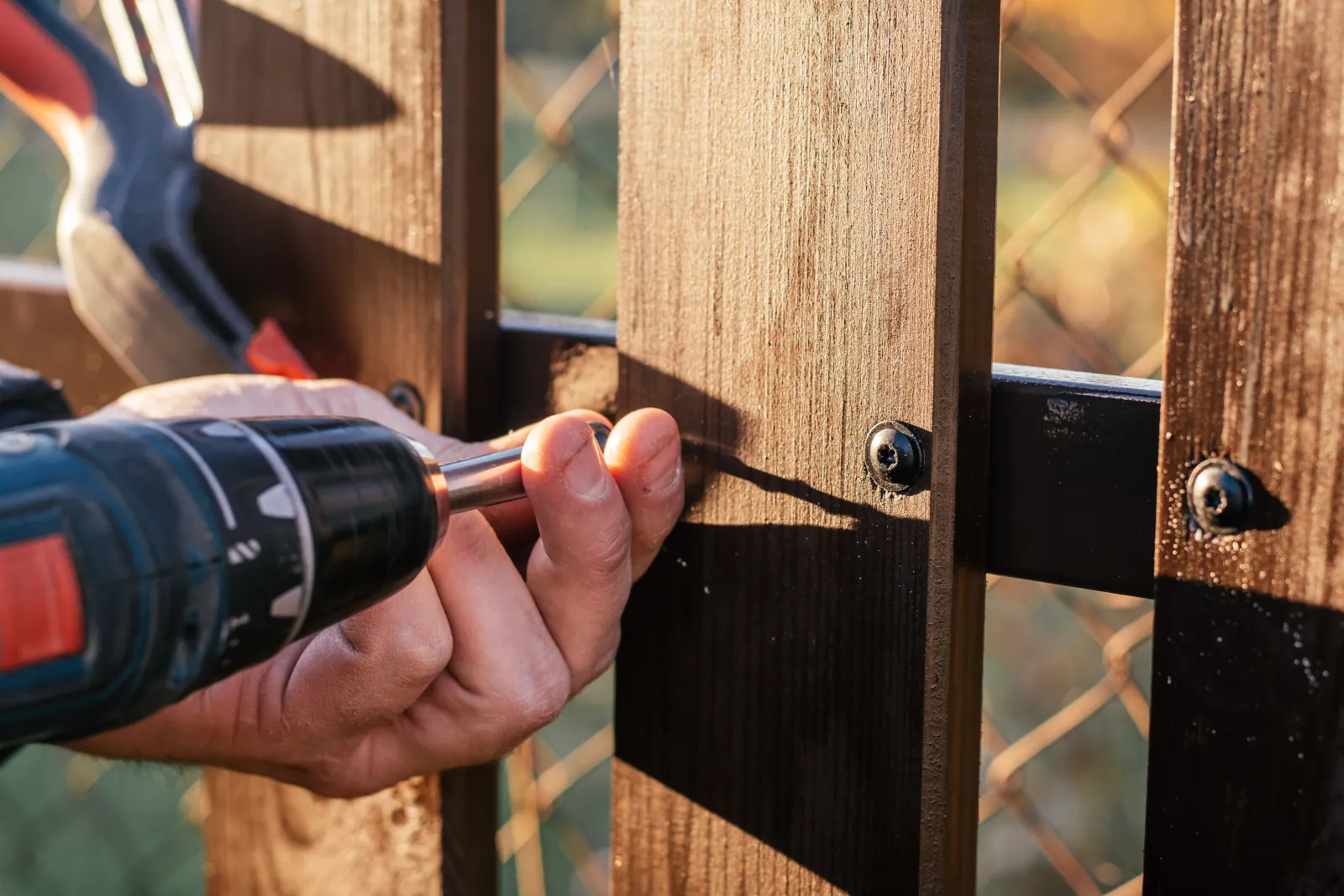
The appeal of maintenance free fencing options is real, but even the most durable materials benefit from occasional cleaning. Here's what minimal maintenance looks like for each material:
Vinyl fences:
- Rinse with a garden hose 2–3 times per year
- For stubborn stains, use mild soap and a soft brush
- Inspect for cracked panels after major storms
Cedar and pressure-treated wood fences:
- Apply a water repellent sealer (like Thompson's WaterSeal) every 2–3 years
- Inspect for rotting boards, loose nails, and warping annually
- Replace damaged boards promptly to prevent moisture spreading to healthy sections
Aluminum fences:
- Occasional cleaning with soap and water is all that's needed
- Inspect joints and hardware annually for corrosion
- Touch up any scratches with matching paint to prevent oxidation
Powder-coated steel fences:
- Inspect the entire fence annually for chips in the powder coating
- Touch up immediately with rust-inhibiting primer and matching paint
- Rinse off salt and debris in coastal areas after storms
The bottom line: most vinyl fences and aluminum fences need nothing more than just an occasional rinse. That's the whole point of choosing durable fencing over traditional wood in the first place.
Conclusion
When it comes to protecting your property in a wet climate, choosing the right material upfront is everything. Durable low maintenance fence options for homes, like vinyl, aluminum, powder-coated steel, and properly sealed cedar, save you years of hassle, thousands in maintenance costs, and the frustration of rotting boards and frequent repairs.
Match your choice to your privacy needs, budget, and local conditions and you'll have a fence that stays strong and looks sharp for decades. Ready to find the right fit? Contact our team for a free consultation with Seattle’s trusted fence installation experts.
FAQs
What is the most durable fence material for a rainy climate?
Vinyl and aluminum fencing are the most durable low maintenance fence options for wet climates. Both resist rot, moisture damage, and insect damage without regular staining or sealing. Aluminum is the top pick for coastal areas where salt air is a concern.
How long do vinyl fences last in rainy weather?
Most vinyl fences last 20–30 years in rainy climates with minimal upkeep. They are fully waterproof and don't absorb moisture, which is the main cause of premature failure in wood fencing. An occasional rinse with a garden hose is typically all that's needed.
What is the best low maintenance privacy fence for a wet yard?
Vinyl privacy fences are the best low maintenance privacy fence option for wet yards. They block sightlines completely, come in heights up to 8 feet, and handle continuous moisture without warping or developing rotting boards. Cedar privacy panels are a solid alternative if you prefer a natural wood look and are willing to do periodic sealing.
Is cedar fencing worth it in a rainy climate?
Cedar is a great natural option for rainy climates thanks to its built-in oils that resist rot and insects. It lasts 15–20 years with proper sealing every 2–3 years using a product like Thompson's WaterSeal. It requires more upkeep than vinyl or aluminum but offers a warm, natural look that many homeowners prefer.
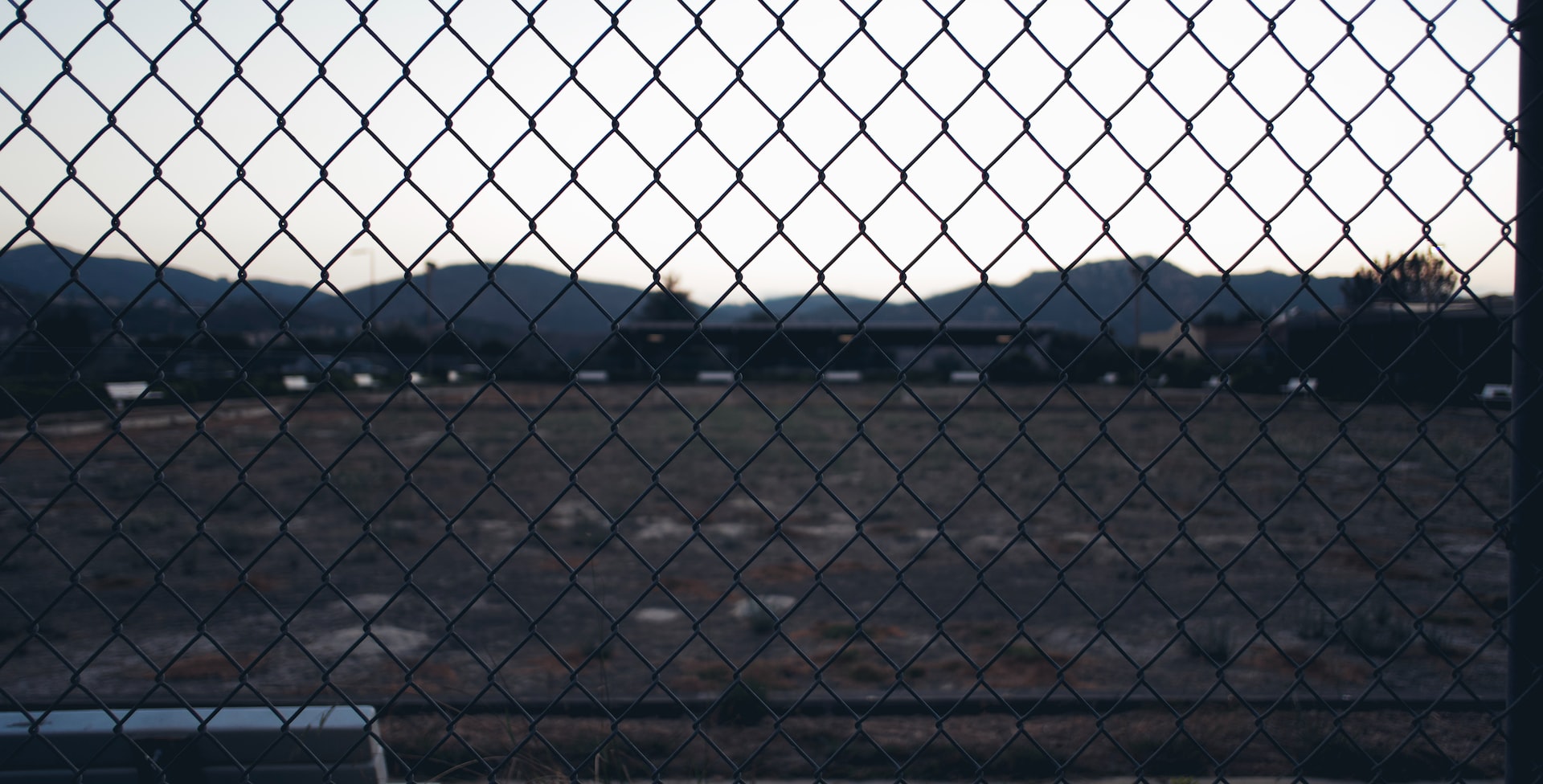
Can chain link fence rust in the rain?
Yes. A standard chain link fence can rust at cut edges and connection points over time, especially in humid or coastal areas. Vinyl-coated chain link resists rust better and extends the fence's lifespan significantly. However, it still doesn't match the weather resistance of aluminum or vinyl privacy fencing.
Does aluminum fencing rust?
No. Aluminum is naturally rust-proof, making aluminum fences one of the best long-lasting fence materials for rainy and coastal climates. Unlike steel, aluminum doesn't need a powder coated finish to stay rust-free, though most aluminum fencing does include one for extra durability and color options.
How often does a wood fence need to be sealed in a rainy climate?
In a rainy climate, wood fences should be resealed every 2–3 years using a penetrating water repellent like Thompson's WaterSeal or a similar product. Skipping this allows moisture to soak into the wood grain, causing rot, warping, and insect damage. Always apply the first coat within 6 months of installation.



.svg)


.png)