.svg)
How Long Does a Wood Fence Last in Seattle?
How long does a wood fence last once it's actually in the ground? A wood fence can last anywhere from 5 to 30 years or more, and the difference has almost nothing to do with the wood itself. Wood species, installation quality, post setting, and how consistently you maintain the fence all play a bigger role than most homeowners expect.
Wood fence lifespan Seattle wide tends to land on the shorter end when posts sit in moist soil without proper protection. It lands on the longer end when a fence is installed correctly and maintained on a regular schedule.
How Long Does Cedar Fence Last in Seattle?
So how long does cedar fence last Seattle wide compared to other wood options? Western red cedar generally lasts 15 to 25 years with regular maintenance, and some well cared for cedar fences reach 30 years or more, particularly redwood, though reaching the top of that range in Seattle's wet climate almost always requires periodic sealing.
Cedar has natural oils that resist moisture and decay, which is exactly why it dominates the Seattle market over less durable softwoods. A well maintained cedar or redwood fence can reach a lifespan of over 25 years, making cedar one of the most cost effective long term choices for wood fence longevity Pacific Northwest wide. Homeowners asking how long does cedar fence last Seattle wide are often surprised how much regular maintenance changes the answer.
Wood Fence Lifespan by Species
Different wood types age at very different rates, which is a big part of why wood fence lifespan Seattle wide varies so much from yard to yard. Here's a general look at average lifespan of wood fence by species, assuming reasonable maintenance.
Pressure-treated pine is the most common budget alternative to cedar in the Seattle market, its chemical treatment adds rot resistance that untreated pine lacks, but it still requires full drying before staining and typically delivers a shorter lifespan than cedar even with maintenance.
💡 Pro Tip: Pine breaks down faster outdoors than cedar or redwood, since it lacks the natural oils that resist moisture and insect damage.
Five Things That Cut a Seattle Wood Fence's Life Short
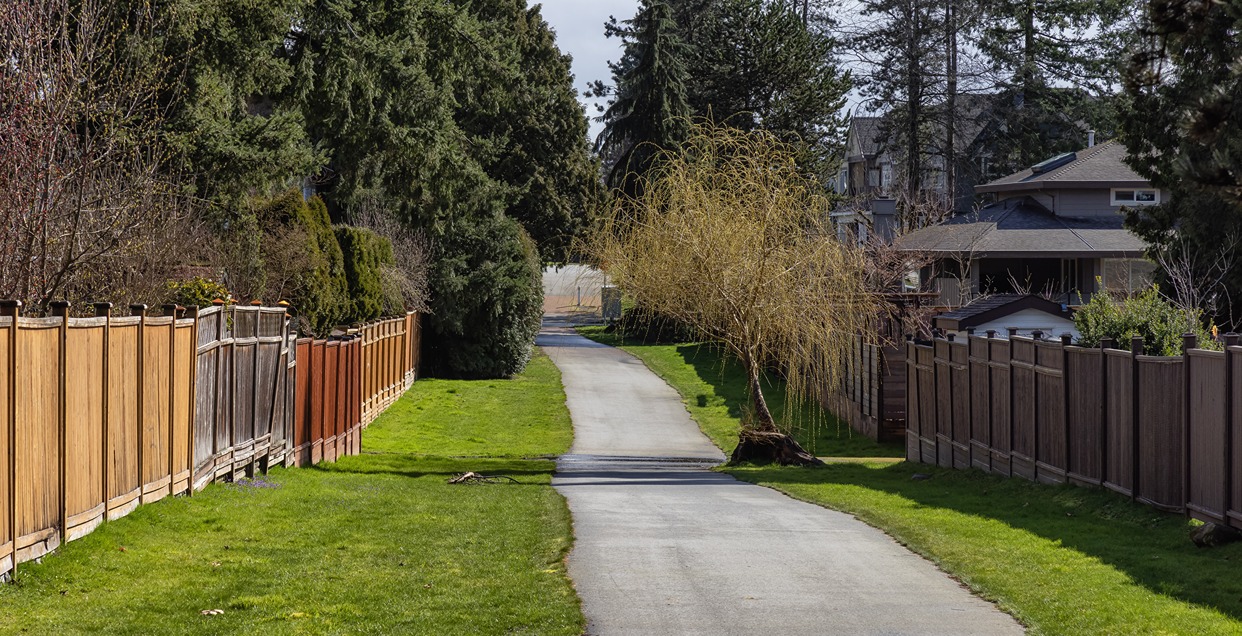
Most premature fence failures trace back to a handful of avoidable issues. Watch for these on your own fence line, or ask about them before hiring a contractor.
- Wood posts set directly in soil without concrete footings, which lets moisture wick straight into the post
- Shallow post depth, which leads to leaning and rot below the frost line
- Fence boards touching the ground, trapping moisture against the bottom of each board
- No sealant ever applied, leaving fence boards exposed to direct sunlight and rain
- Heavy shade from trees, which traps moisture against the fence and slows drying after rain
A properly concrete-set cedar post in Seattle's climate typically lasts 20 years or more. A wood post set directly in moist soil without concrete often fails in 5 to 10 years, which is why posts are the first place rot appears on most Seattle fences.
Constant moisture is one of the biggest factors that shortens wood fence lifespan, and the posts are usually the first components to rot since they sit closest to damp soil. These five issues explain most of the difference in how long does a wood fence last from one property to the next, and they're also the biggest threat to wood fence longevity Pacific Northwest wide given how wet our winters get.
What a Properly Installed, Long Lasting Fence Looks Like
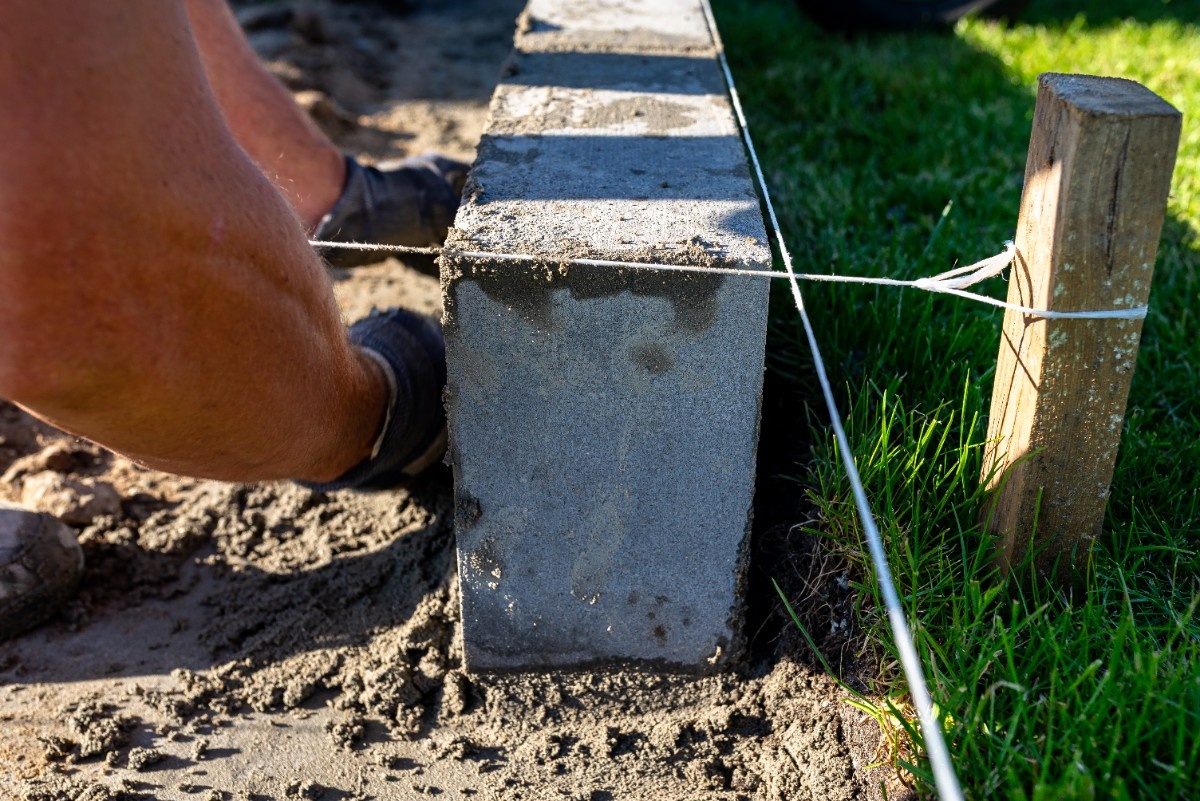
Quality installation can add 5 to 10 years to a fence's life, and it starts well before the first board goes up. Here's what proper installation generally involves.
- Concrete footings and metal brackets. Setting posts in concrete, sometimes with metal post brackets, keeps wood posts from resting directly in moist soil.
- Proper post depth. Posts set below the frost line prevent the leaning and rot that shallow posts almost always develop over time.
- Ground clearance for boards. Keeping fence boards a couple inches off the soil helps prevent wood from wicking up moisture from the ground.
- Sealing the end grain early. Sealing cedar's end grain the day it's cut helps prevent moisture from soaking into the most vulnerable part of the board.
- Quality fasteners. Using high quality, rust resistant fasteners prevents loose boards and rust stains down the line.
💡 Pro Tip: Steel posts can reduce rot risk and improve overall fence stability compared to wood posts, especially in yards with consistently damp soil.
How Do You Maintain a Wood Fence for Maximum Lifespan?
Regular maintenance is the single biggest lever homeowners actually control over wood fence lifespan Seattle wide. So what does that maintenance schedule look like in practice?
- Recoat or reseal your fence every 2 to 4 years to protect against sun damage and moisture
- Inspect your fence at least once a year, ideally twice, for loose fasteners or early rot
- Trim back vegetation near the fence line to reduce moisture buildup
- Address small issues like a loose board or leaning post promptly, before they become widespread rot
- Give fence boards a light cleaning periodically to remove trapped debris and moisture
Direct sunlight can degrade wood fibers over time and lead to warping, so intense sun exposure can dry out and split boards just as easily as excess moisture can rot them.
How Does Wood Compare to Other Seattle Fence Materials?
Wood isn't the only option, and it helps to see how it stacks up against other common materials in terms of longevity alone.
Vinyl and aluminum generally outlast wood with less regular maintenance, but many homeowners still choose cedar for its natural beauty and curb appeal. If you want the exact numbers behind cedar pricing, our cedar fence cost guide breaks down what a cedar privacy fence typically costs per linear foot in Seattle.
Douglas Fir is widely available at Pacific Northwest lumber yards and a common Rare Bears installation material, it lasts 10 to 20 years depending on grade and maintenance, and it benefits from the same concrete-set post installation and regular sealing that extends cedar's life.
Is Your Fence Near the End of Its Lifespan? Here's How to Tell
Not every aging fence needs full replacement right away. So when to replace a wood fence instead of patching it section by section? Knowing how long does a wood fence last for your specific species and installation helps you judge whether you're near that point already.
If more than a small portion of your fence shows widespread rot, especially at the posts, replacement usually makes more sense than repeated repairs. Our repair vs replace guide walks through the exact signs that separate a quick fix from a fence nearing the end of its life.
If you're planning a brand new installation instead, our wood fence installation team builds every fence with proper post depth and concrete footings from day one, so your fence starts its life the right way.
How Long Does a Wood Fence Last: Making It Count
The question isn't just how long does a wood fence last. It's whether what you get at year 15 still justifies the investment you made at year one, and knowing when to replace a wood fence versus repairing it makes that call much easier. Installation quality, wood species, and regular maintenance all shape that answer far more than luck does. Ready to build a fence that earns its keep for decades? Rare Bears Fencing serves Seattle, Everett, Kirkland, Bellevue, Bothell, and all of King and Snohomish County. Get your free estimate today.
FAQs
How long does a wooden fence last on average?
A typical wood fence lasts 15 to 20 years with reasonable maintenance, though species and installation quality can push that range significantly higher or lower. Cedar and redwood tend to last longer than untreated pine or spruce.
How long does a cedar wood fence last?
Cedar generally lasts 15 to 25 years with regular maintenance, and some well cared for cedar fences last 30 years or more. Its natural oils give it strong resistance to moisture and decay compared to other softwoods.
How long does a pressure treated wood fence last?
Pressure treated wood fences typically last 10 to 15 years, with some installations lasting longer under excellent care. The chemical treatment process improves rot resistance compared to untreated wood.
How long does a wood privacy fence last compared to other styles?
Privacy fences generally follow the same lifespan ranges as other wood fence styles, since the wood species and installation quality matter more than the fence's exact design. Proper drainage and ground clearance remain just as important on a solid privacy fence as an open picket style.
How long does a wooden fence post last if it's set improperly?
Fence posts set without concrete footings or proper depth often fail years before the rest of the fence, sometimes in as little as 5 to 10 years. Posts are typically the first component to rot since they sit closest to damp soil.




.svg)


.png)