.svg)
What Is a PVC Fence and Why Do Seattle Homeowners Choose It
If you've been shopping around for fencing, you've probably seen "PVC" and "vinyl" used interchangeably. They're the same vinyl fence materials. PVC (polyvinyl chloride) is the base material used to make vinyl fencing, so don't let the terminology confuse you when getting quotes.
Seattle homeowners tend to gravitate toward PVC fencing for a few practical reasons:
- It holds up well against the Pacific Northwest's rainy seasons and damp winters
- It's resistant to moisture, UV rays, and temperature swings
- Unlike wood, it doesn't rot, warp, or need repainting
- It can be cleaned with a pressure washer when grime or mildew builds up
- It generally lasts around 20 to 30 years with minimal maintenance, thanks to thicker vinyl panels measuring 0.135 to 0.150 inches for enhanced durability
For a city that sees an average of 150 rainy days a year, weather-resistant materials make a lot of sense. That's a big part of why PVC fencing has become a popular choice across neighborhoods like Ballard, West Seattle, and Renton.
How Much Does It Cost to Install a PVC Fence in Seattle?
Most Seattle homeowners start with the question "How much does it cost to install a PVC fence?", and the honest answer is: it depends. But here are the general numbers to work from.
Based on national data, the average PVC fence installation falls between $2,341 and $5,993 for a typical fencing project, with a national average of around $4,157. Seattle projects may run higher than that due to local labor rates and the cost of living. These figures are general estimates and your actual total vinyl fencing cost will vary based on your yard size, fence length, the vinyl fence styles you choose, and the fence installers you hire.
For a quicker snapshot, here's how costs typically break down by fence height:
Note: These ranges are based on general national estimates and include material costs and professional installation. Seattle pricing may differ. Always get a local quote to confirm.
The fence layout and total fence length of your yard are the biggest single factors driving your final number. A small backyard in Fremont and a large corner lot in Shoreline will land in very different price ranges.
PVC Fence Cost Per Foot: Materials vs. Labor Breakdown
Understanding how the vinyl fence cost per foot breaks down helps you ask better questions when comparing contractor quotes.
Vinyl fence materials generally account for the bulk of the per-foot cost. Based on available estimates, material costs typically run:
- $10 to $30 per linear foot for standard styles and colors, including white vinyl fence panels
- More for premium vinyl, thicker panels, or non-white colors
- An additional $1 to $30 per linear foot for decorative embellishments like lattice tops or post caps
Labor covers the rest. This includes site prep, digging fence post holes, setting concrete footings, installing horizontal rails and panels, and cleanup. Labor costs vary by crew, project size, and how complex your fence layout is.
Gates are a separate line item worth budgeting for. Depending on size and features, swing gates and other vinyl fence gates can range from around $300 to $1,500. These figures are estimates and can vary based on the supplier and installer.
One thing worth noting for Seattle specifically: if your property is on a slope, expect to pay more. Crews working on uneven terrain, rocky soil, or hillside lots often charge more to account for the extra time and specialized tools involved, increasing the vinyl fence installation cost by 15% to 30%.
If you want a high quality vinyl fence that holds up to Seattle wind and weather, look for panels that are 0.135 to 0.150 inches thick. Thinner panels are cheaper upfront but may not hold as well over time in areas with stronger gusts.

What Affects Your PVC Fence Installation Cost
Several factors can push your final cost up or down. Here's what to keep in mind when budgeting:
Fence Height and Style
Taller fences require more material and deeper posts, so taller fences require more investment. A 6-foot vinyl privacy fence costs more than a 4-foot vinyl picket fence. Decorative vinyl fence styles, custom colors, and non-standard designs add to the total cost. Standard white vinyl remains the most budget-friendly option.
Yard Size and Fence Layout
Longer fences mean more material and labor hours. Complex layouts with lots of corners, turns, or tight angles take more time to install, increasing labor costs.
Terrain and Site Conditions
This is especially relevant in Seattle. The city's hillier neighborhoods, like Capitol Hill, Beacon Hill, and parts of West Seattle, can present challenges for fence installers. Sloped ground or rocky soil may increase labor costs by an estimated 15% to 30%, though this varies by contractor and site. It's worth asking your contractor upfront how they handle sloped installs.
Color and Material Grade
Standard white PVC is the most affordable. If you want a wood-grain finish, a darker vinyl fence color, or premium vinyl with thicker panels for added durability, expect to pay more per foot.
Local Labor Rates and Building Codes
Seattle is a high-cost urban market. Labor rates here tend to run above the national average, which is something to factor in when comparing online cost estimates to local quotes. Local building codes also dictate fence post spacing, fence height limits, and permit requirements, affecting total costs.
Fence Removal and Site Prep
If you have an existing fence that needs removal, budget an additional $3 to $5 per linear foot. Removing obstacles like tree stumps or clearing brush can add to your total cost.
Seattle Fence Permit Costs and What You Need to Know
Before any posts go in the ground, it's worth checking whether your fencing project requires a permit.
In Seattle and the surrounding King County area, permits are generally required for fences taller than 6 feet. Fence permit cost typically ranges from $20 to $200 depending on the municipality, though fees and requirements can change. We recommend checking directly with the City of Seattle's Department of Construction and Inspections (SDCI) or asking your contractor before work begins.
A few other things to keep in mind:
- If your home is part of an HOA, there may be additional rules around fence height, style, or color
- Corner lots may have specific setback requirements to property lines
- Fences near utility lines or property boundaries may require additional review
A good local fencing company or fence installers will usually help you figure out what's needed before the project kicks off, so you're not hit with unexpected costs or delays mid-job.

Average Cost of a PVC Fence vs. Other Fencing Materials
If you're still weighing your options, here's how PVC generally compares to other common fencing materials based on typical estimates:
Longevity estimates vary based on climate, installation quality, and maintenance. Figures above are general industry averages.
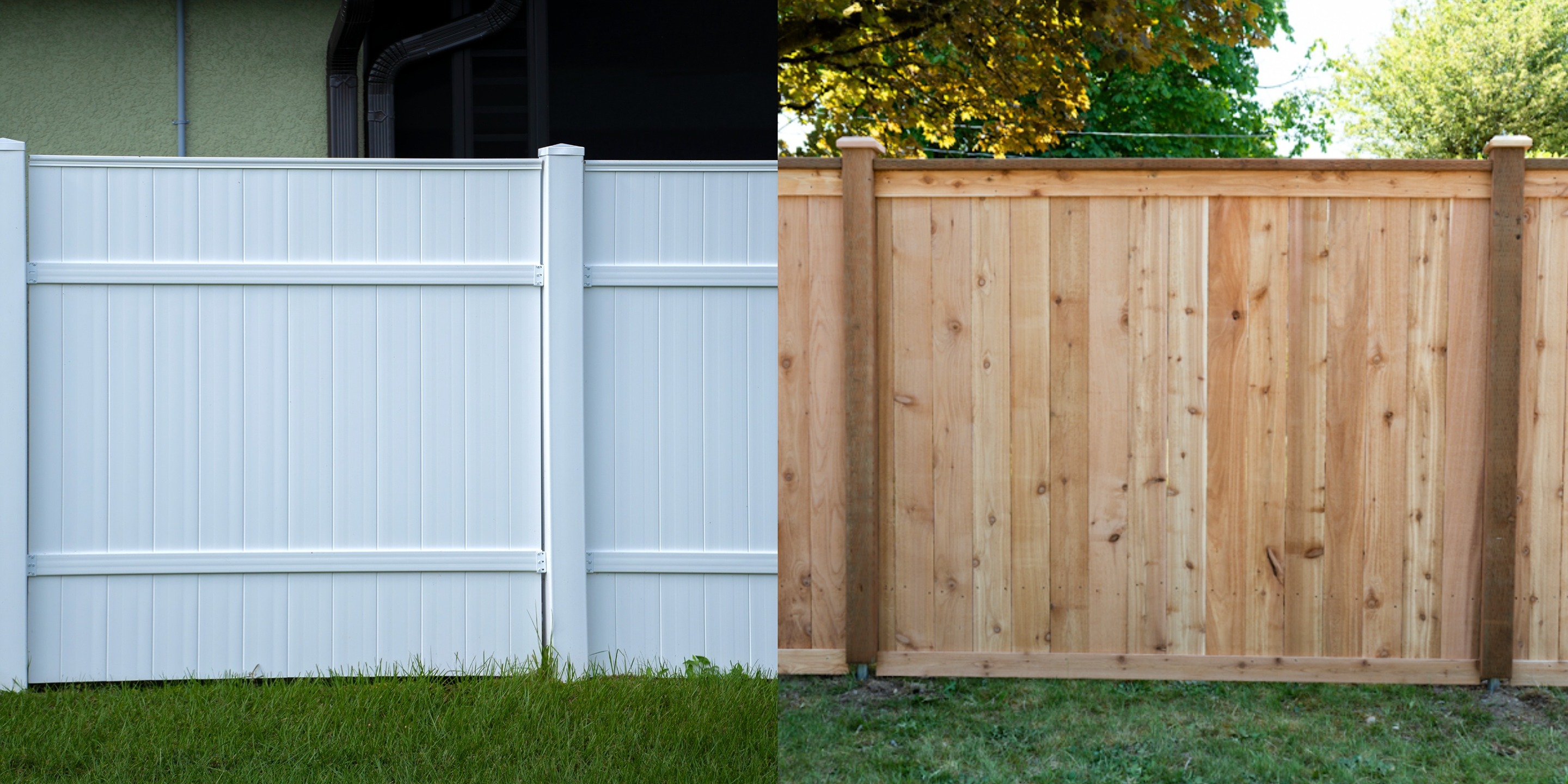
Wood is cheaper upfront, but factor in the cost of staining, sealing, and eventually replacing rotted boards in a wet climate like Seattle's, and PVC starts to look like a better long-term investment. Aluminum is also low-maintenance but tends to work better for decorative or open-style fencing rather than privacy.
For many Seattle homeowners, PVC is simply the more practical choice when you weigh upfront cost against long-term maintenance.
Is a PVC Fence Worth It in Seattle?
For most Seattle homeowners, yes. Here's the short version of why:
- The wet climate makes low-maintenance materials more valuable here than in drier regions
- No painting, staining, or rot treatments needed over the life of the fence
- A lifespan of around 20 to 30 years is typical, though results vary based on installation quality and panel grade
- Works well for privacy, pet containment, and clean property boundaries
- Resistant to the kind of mold and mildew buildup that can be an issue on wood fences in the Northwest
The upfront cost is higher than wood, but many homeowners find they spend less over time once you factor in maintenance and repairs.
The Bottom Line on PVC Fence Costs in Seattle
PVC fencing is one of the more practical long-term investments you can make for a Seattle property. If you're researching how much it costs to install a PVC fence, it’s important to look beyond the upfront price. Between the wet winters, the occasional windstorm, and the general wear Pacific Northwest weather puts on outdoor structures, vinyl holds up where wood tends to struggle.
Ready to get an accurate number for your specific yard? Contact us for a free estimate. Rare Bears Fencing will walk you through your options, explain exactly what the project involves, and give you a clear and honest quote with no surprises.
FAQs
How much does it cost to install PVC fence in Seattle on average?
Based on general estimates, most Seattle homeowners can expect to spend somewhere between $2,300 and $6,000 for a standard PVC fence installation. The national average sits around $4,157, but Seattle projects often run higher due to local labor rates. Your actual cost depends on yard size, fence style, and terrain.
What is the PVC fence cost per foot in Seattle?
For a standard 4 to 6-foot PVC fence, costs generally fall between $15 and $40 per linear foot installed including both materials and labor. Premium styles or custom colors can push that higher. These are estimates based on national data, so getting a local quote is the best way to get an accurate number.
How long does a PVC fence last in the Pacific Northwest?
PVC fencing generally lasts around 20 to 30 years. Results vary based on panel quality, installation, and how well it's maintained. In Seattle's wet climate, PVC tends to outperform wood since it's not vulnerable to rot, warping, or moisture damage.
Do I need a fence permit to install a fence in Seattle?
In most cases, permits are required for fences taller than 6 feet in Seattle and King County. Fence permit cost typically ranges from $20 to $200, but requirements can change. Check with the City of Seattle's Department of Construction and Inspections (SDCI) or ask your contractor before starting the project.
Is PVC fencing better than wood for Seattle's climate?
For most homeowners in the Pacific Northwest, yes. Wood requires regular staining, sealing, and maintenance to prevent rot and warping in a wet climate. PVC doesn't need any of that and resists moisture and mildew buildup much better over time.
How do I maintain a PVC fence in Seattle?
PVC fencing is low maintenance. An occasional rinse with a garden hose handles most dirt. For tougher buildup like mold or mildew, a pressure washer and mild detergent usually does the job. No painting or staining is needed.
What factors increase the PVC fence installation cost the most?
The biggest cost drivers are total fence length, fence height, terrain difficulty, and material grade. Sloped yards, complex layouts, and premium panel options all add to the final price. Local labor rates in Seattle also tend to run higher than the national average.
Can I install a PVC fence myself to save money?
DIY installation is possible and can reduce labor costs. However, PVC fencing requires proper post setting, panel alignment, and knowledge of local building codes and permit requirements. Mistakes can be costly to fix. For most homeowners, hiring professional installation is worth it for the quality and warranty that comes with the work.



.svg)


.png)