.svg)
Metal Fence vs Wood Fence Cost: A Side-by-Side Breakdown
When evaluating metal fence vs wood fence cost, metal fencing generally carries a higher material and installation cost, but its typical lifespan exceeds that of wood by several decades. Wood fencing, especially cedar, offers a lower entry price but demands more frequent maintenance to reach its expected lifespan.
The table below reflects typical cost ranges for Seattle installations. Prices vary based on property size, terrain, fence height, and your chosen fence contractor.
Note: All figures above are general estimates. Always request itemized quotes from local contractors in Seattle before finalizing your budget.
Wood Fence Installation Cost in Seattle: What Homeowners Pay
Wood fence installation cost in Seattle typically falls between $23 – $65 per linear foot when fully installed, covering both labor and material costs. For an average residential fence line of 150 to 200 linear feet, most homeowners pay somewhere in the range of $3,500 to $13,000 depending on wood species, fence height, and design.
Cedar is the dominant wood species in the Pacific Northwest and the preferred choice for Seattle homeowners. Cedar fence cost runs higher than basic pressure-treated pine, but cedar's natural resistance to moisture and insects makes it far more practical in Seattle's rainy climate. Pressure-treated wood, which is lumber chemically processed to resist rot and insects, is a budget-friendly alternative but may require more frequent sealing.
Cedar fence panels generally cost more per linear foot than pine but can last 15 to 30 years with proper maintenance, including annual sealing using a water-repellent product.
Wood fence cost also rises when the project involves old fence removal. Removing an existing fence adds to labor fees and may require additional disposal charges. If your yard already has an old fence in place, factor fence removal into your final price from the very start.
💡 Pro Tip: In Seattle's wet climate, always seal a new cedar fence within 60 to 90 days of installation. Untreated cedar can begin to gray and warp within a single rainy season.

How Much Does It Cost to Install a Metal Fence in Seattle?
When comparing the cost to install metal fence vs wood fence in Seattle, metal fence installation typically ranges from $35 to $120 or more per linear foot, fully installed. The wide range reflects the difference between aluminum fencing, which is the most affordable metal option, and wrought iron, a decorative heavy-duty metal crafted into ornate designs that commands premium pricing.
Aluminum fencing is the most popular metal fence option for Seattle residential properties. It mimics the appearance of wrought iron but at a fraction of the cost, and it requires virtually zero ongoing maintenance. Aluminum does not rust, making it an ideal choice for Seattle's high-rainfall environment.
Wrought iron fencing delivers exceptional curb appeal and an impressive typical lifespan of 50 years or more. However, wrought iron requires periodic painting or powder coating, which is a heat-applied protective finish, to prevent corrosion. This adds to total maintenance costs over time.
Steel fencing falls between aluminum and wrought iron in terms of price and durability. Chain-link fencing, which is a woven wire mesh mounted on steel posts, remains the most affordable metal option and is common in rural areas or for larger properties where security matters more than aesthetics.
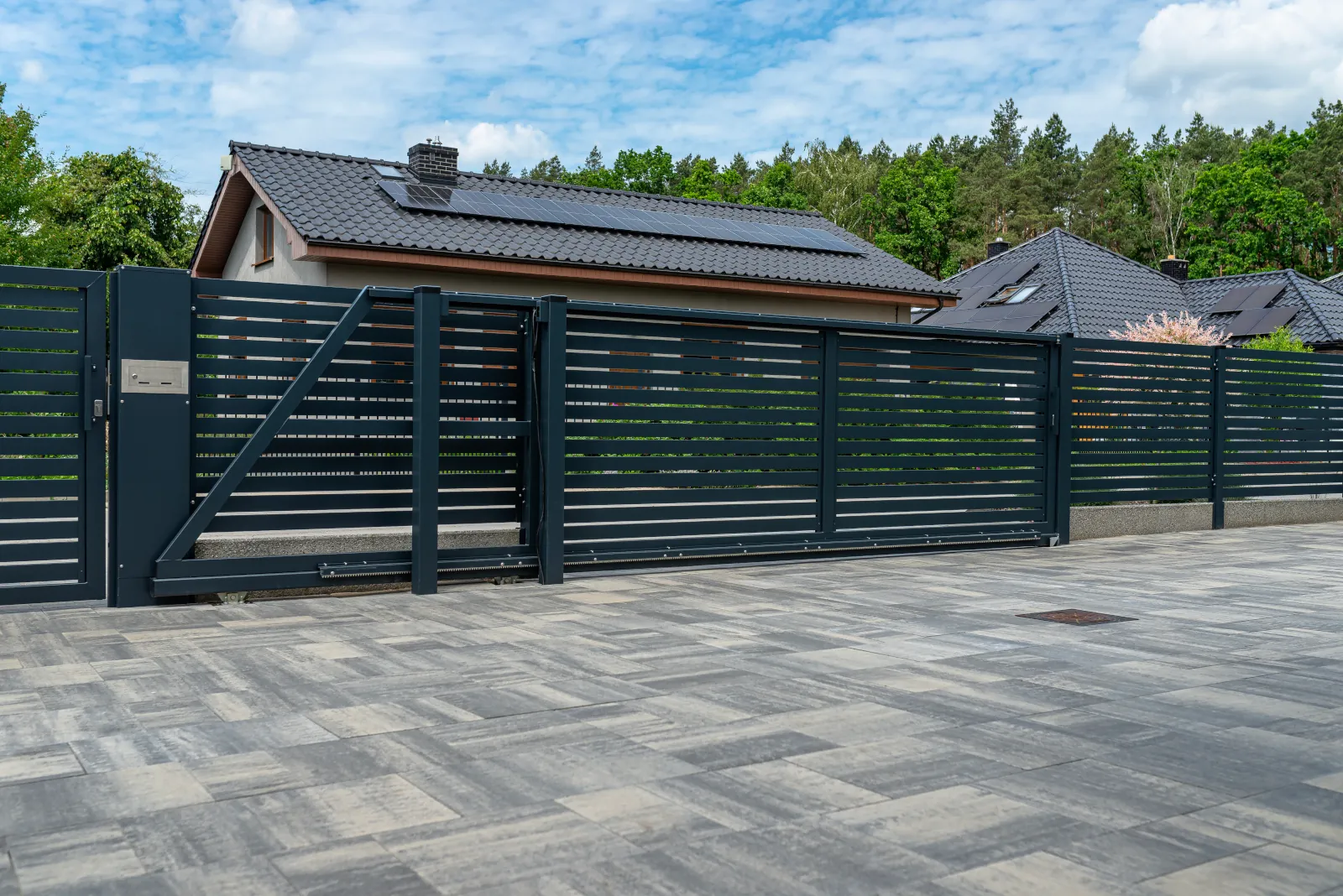
Metal Fence vs Wood Fence: Durability, Maintenance, and Long-Term Value
Metal and wood fences serve different needs for Seattle homeowners. Metal fencing wins on longevity and minimal upkeep, while wooden fencing offers warmth, customization, and a lower upfront cost.
Durability
A quality aluminum or wrought iron fence can last 50 years or more with minimal intervention. A cedar fence, by comparison, has a typical lifespan of 15 to 30 years, assuming proper sealing and periodic board replacement. In Seattle's damp climate, wood fence lifespan shortens noticeably if maintenance is neglected.
Maintenance
Wooden fencing requires staining or sealing every 2 to 3 years to prevent moisture damage. Fence posts, which are the vertical structural supports set in concrete footings below ground, are particularly vulnerable to rot at ground level. Metal fences, especially powder-coated aluminum, need only an occasional rinse to maintain their appearance.
Aesthetics and Privacy
Wood fences remain the superior choice for privacy. A solid cedar privacy fence blocks sightlines completely, whereas most metal fence styles are open by design. If privacy is your primary goal, wooden fencing makes more sense for most Seattle yards. If security and curb appeal are priorities, metal is the stronger contender.
💡 Pro Tip: If you want the low-maintenance quality of metal with the privacy of wood, consider combining aluminum fence panels with dense shrubs or plantings along the fence line. This hybrid approach is increasingly popular in Seattle neighborhoods.
What Is the Cheapest Fence Option: Metal or Wood?
When comparing metal fence vs wood fence cost, wood fencing is the more affordable choice upfront for most Seattle homeowners. Pressure-treated pine panels represent the lowest entry point on the wood side, while aluminum sits at the more accessible end of the metal fence spectrum.
Wood Fence: The Lower Upfront Cost
Pressure-treated pine is the budget-friendly starting point for wooden fencing. However, pine does not perform as well as cedar in wet climates and will likely need replacement sooner, which can offset those early savings considerably.
Most professional fence installers in Seattle recommend cedar as the more cost-effective wood choice over a 10-year horizon. Cedar's natural moisture resistance makes it a smarter long-term investment despite its higher upfront material cost compared to pine.
Metal Fence: Higher Entry Cost, Lower Long-Term Cost
On the metal side, aluminum fencing sits at the more accessible price point. It is significantly more affordable than wrought iron, resists corrosion without painting, and is available in a range of styles that complement most Seattle home designs.
So, which is actually cheaper over time? Wood fencing wins on upfront cost, but metal fencing, particularly aluminum, often costs less over a 15 to 20-year period when you factor in reduced maintenance, no resealing, and a longer typical lifespan.
Key Factors That Shape Your Total Fence Installation Cost
Your final price depends on far more than just the fence material. Here are the primary factors that fence contractors weigh when generating a quote in Seattle:
- Fence length: Cost is calculated per linear foot, so larger properties with longer fence lines naturally pay more in total.
- Fence height: Taller fences require more materials and additional labor, raising both material costs and labor fees.
- Terrain and grade: Sloped or uneven yards require additional labor to set fence posts correctly and maintain a uniform fence line.
- Gate installation: Adding a gate to your fence project adds both material costs and labor time, and the final cost rises further for double gates or automatic openers.
- Old fence removal: If an existing fence needs to come down first, budget for additional labor and disposal charges.
- Permit requirements: Seattle and its surrounding municipalities often require a permit for new fence construction. Permit costs vary by project scope and jurisdiction. Your fence contractor should clarify local permit requirements before work begins.
- Labor rates: Labor costs in Seattle reflect the city's higher cost of living. Labor fees here typically run above the national average, particularly for skilled fence installation.
- Material quality: Decorative aluminum, galvanized steel, and premium cedar all command higher material costs than entry-level options.
Getting the Best Price on Fence Installation in Seattle
Securing a competitive price from a fence contractor requires preparation and comparison. Here is a practical process to avoid overpaying and ensure your project scope is clearly defined before any work begins.
- Measure your fence line accurately. Walk your property boundary and note the total linear footage you need fenced. Include any gates in your measurements.
- Confirm permit requirements early. Contact your local Seattle permitting office or ask your fence contractor about permit requirements for your specific project. Skipping permits can lead to costly removal orders.
- Request at least three itemized quotes. Ask each fence contractor to break down labor and material costs separately. This makes it easier to compare quotes and identify any inflated line items.
- Specify the fence material and height in writing. Verbal agreements lead to misunderstandings. Put every detail of your new fence in a written contract before work starts.
- Ask about old fence removal separately. Some contractors include fence removal in their quote; others charge it as an additional cost. Clarify this upfront so there are no surprises on your final price.
- Check for seasonal pricing. Seattle fence contractors are often busiest in spring and summer. Scheduling your installation in fall or winter may yield lower labor rates.
- Verify licensing and insurance. Confirm that your fence contractor holds a valid Washington State contractor's license and carries liability insurance before signing any agreement.
Pros and Cons of Each Fence Type at a Glance
Metal Fencing: Pros
- Exceptional lifespan, often exceeding 50 years for aluminum and wrought iron
- Extremely low maintenance requirements once installed
- Strong resistance to Seattle's wet climate, especially powder-coated aluminum
- High curb appeal and strong security profile
- Recyclable materials make it an environmentally responsible choice
Metal Fencing: Cons
- Higher upfront material and installation costs per linear foot
- Wrought iron requires periodic repainting to prevent rust
- Minimal privacy unless combined with landscaping or shrubs
- Limited customization compared to wooden fence panels
Wood Fencing: Pros
- Lower upfront material costs, especially for pressure-treated pine
- Superior privacy when solid panels are used
- Natural aesthetic that complements Pacific Northwest landscaping
- Easier to repair individual fence boards without full replacement
- Cedar fence cost is manageable and lifespan is solid with proper care
Wood Fencing: Cons
- Requires sealing every 2 to 3 years and regular inspection
- Shorter typical lifespan than metal without consistent maintenance
- Fence posts can rot at ground level in wet Seattle soil
- Wood fence cost rises significantly when quality species like cedar are selected
Final Thoughts: Choosing the Right Fence for Your Seattle Property
The metal fence vs wood fence cost decision ultimately comes down to your priorities. If you want a beautiful new fence that requires minimal upkeep and delivers decades of reliable performance, metal fencing, particularly aluminum, is a sound long-term investment for Seattle homeowners. If privacy, natural aesthetics, and a manageable upfront cost are your priorities, a properly maintained cedar fence remains an outstanding and time-tested choice.
Work with experienced local contractors, compare labor and material costs carefully, and choose the fence material that aligns with both your budget and your vision for your property. Ready to take the next step toward your ideal fence? Contact Rare Bears Fencing today for a free quote.
FAQs
How much does it cost to install a metal fence in Seattle?
Metal fence installation cost in Seattle generally ranges from $35 to $120 or more per linear foot, fully installed. The final price depends on the type of metal selected, fence height, gate additions, and local labor rates. Most homeowners in Seattle pay above the national average due to higher regional labor costs.
Is a wood fence cheaper than a metal fence?
Yes, wood fence installation is typically cheaper upfront than metal fencing. Wood fence installation cost in Seattle generally starts lower per linear foot than aluminum or wrought iron. However, ongoing maintenance costs for wooden fencing can narrow that gap considerably over a 10 to 20-year period.
How long does a cedar fence last in Seattle?
A cedar fence typically lasts 15 to 30 years in Seattle with proper sealing and maintenance. Cedar's natural oils provide meaningful resistance to moisture and insects, which makes it the preferred wood species in the Pacific Northwest. Without regular sealing, the lifespan can drop significantly.
What is the cheapest fence option for a large property?
Chain-link fencing is generally the cheapest fence option for larger properties. It offers durability and security at a lower cost per linear foot than most wood or decorative metal alternatives. For rural areas or commercial properties, chain-link is often the most practical and affordable option available.
Do I need a permit to install a fence in Seattle?
Permit requirements in Seattle vary by fence height and property location. Many fence projects exceeding six feet in height require a permit through Seattle's Department of Construction and Inspections. Always verify local permit requirements with your fence contractor or municipality before installation begins.



.svg)


.png)