Formerly Alpine Fencing. Now Rare Bears Fencing.






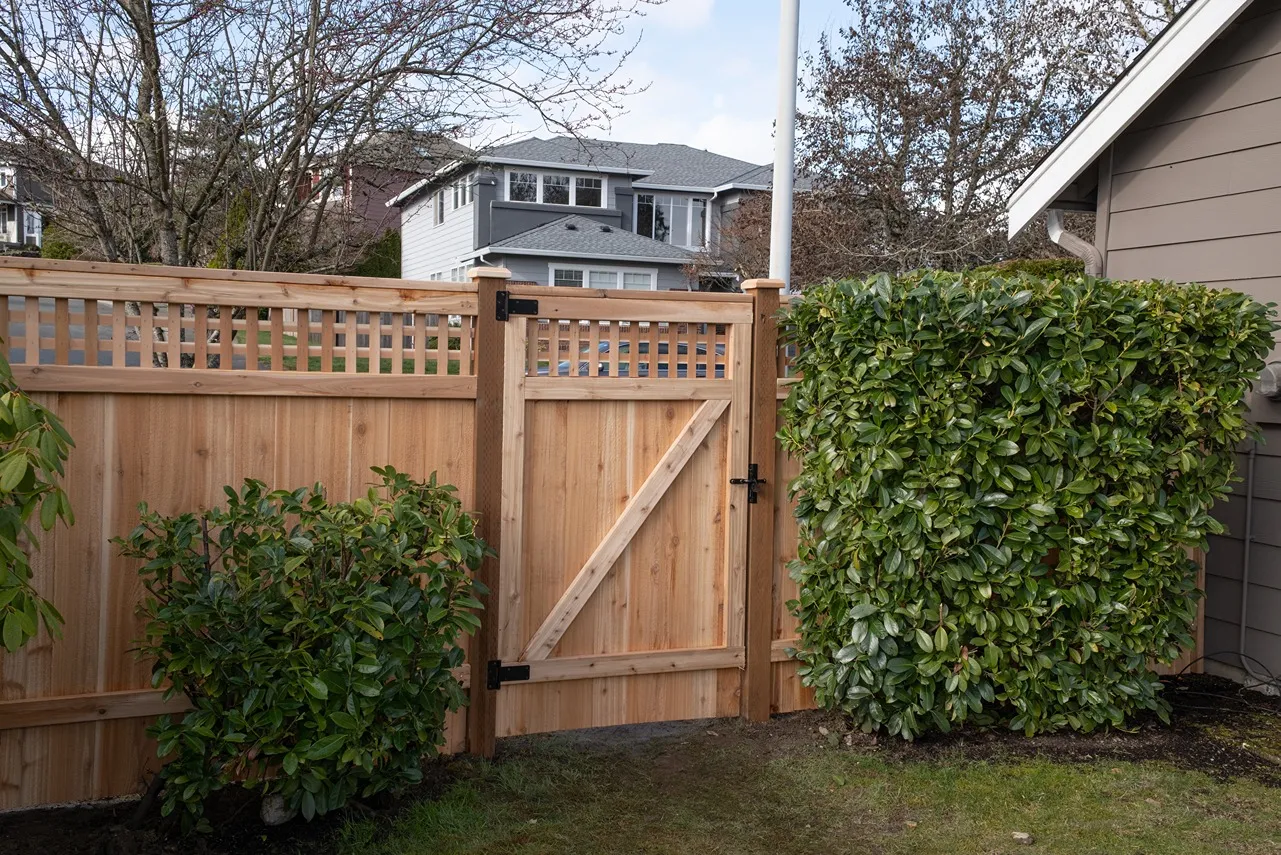
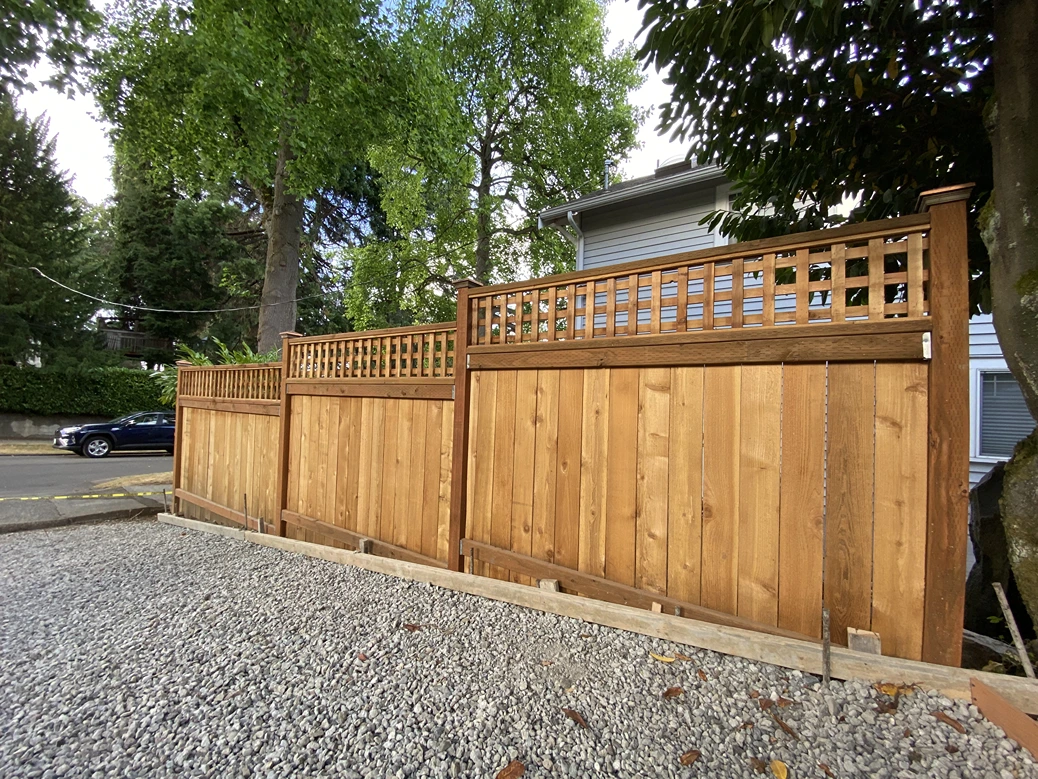
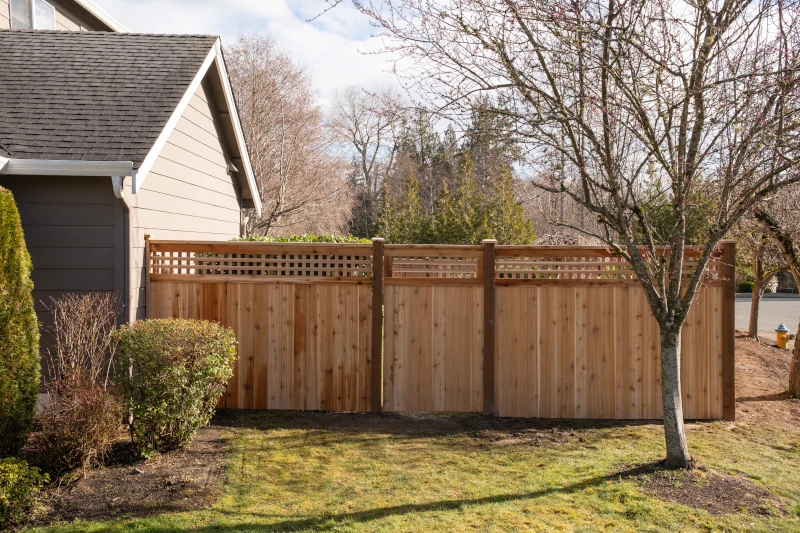
A lattice fence combines two things in one build. The bottom is a solid panel that gives you privacy and a clear property line. The top is an open lattice section, made of thin wood strips crossed in a diamond or square pattern.
That open top is the whole point. It softens the look of a tall fence and lets sunlight reach the ground instead of casting a hard shadow along the property line.
A typical build includes:
That split is what sets it apart from a standard privacy fence: you cover the sightlines that matter without walling off the whole yard.
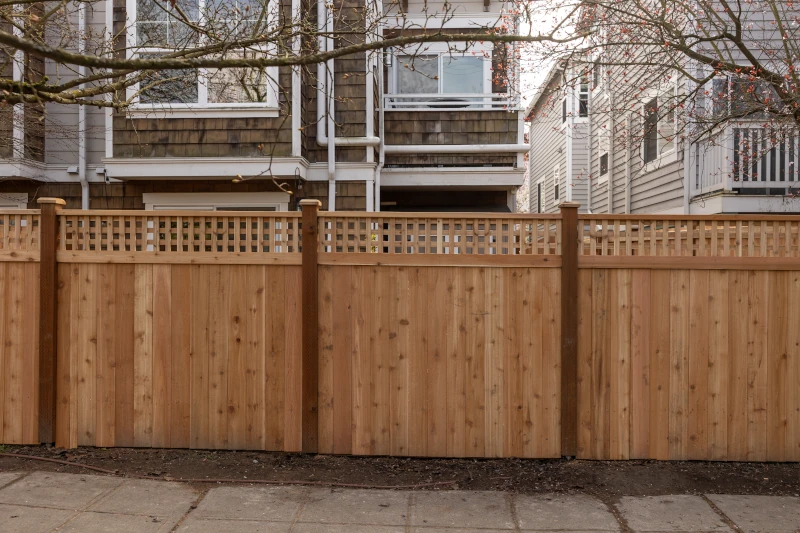
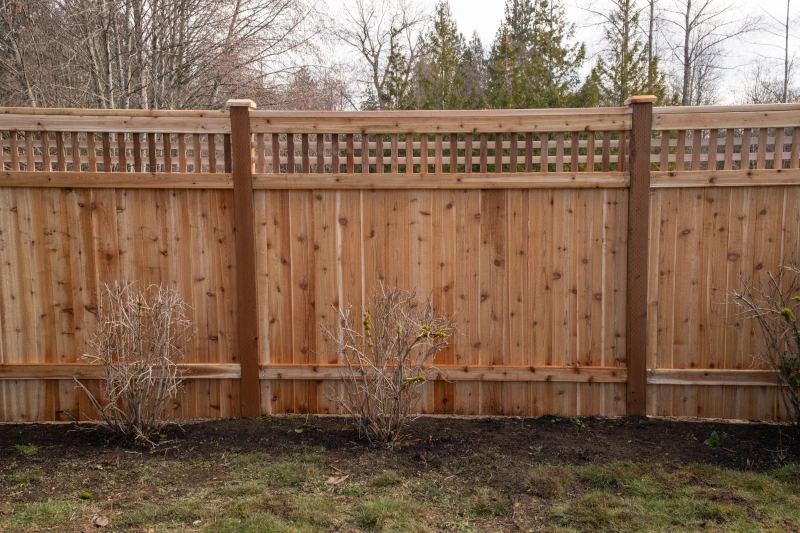
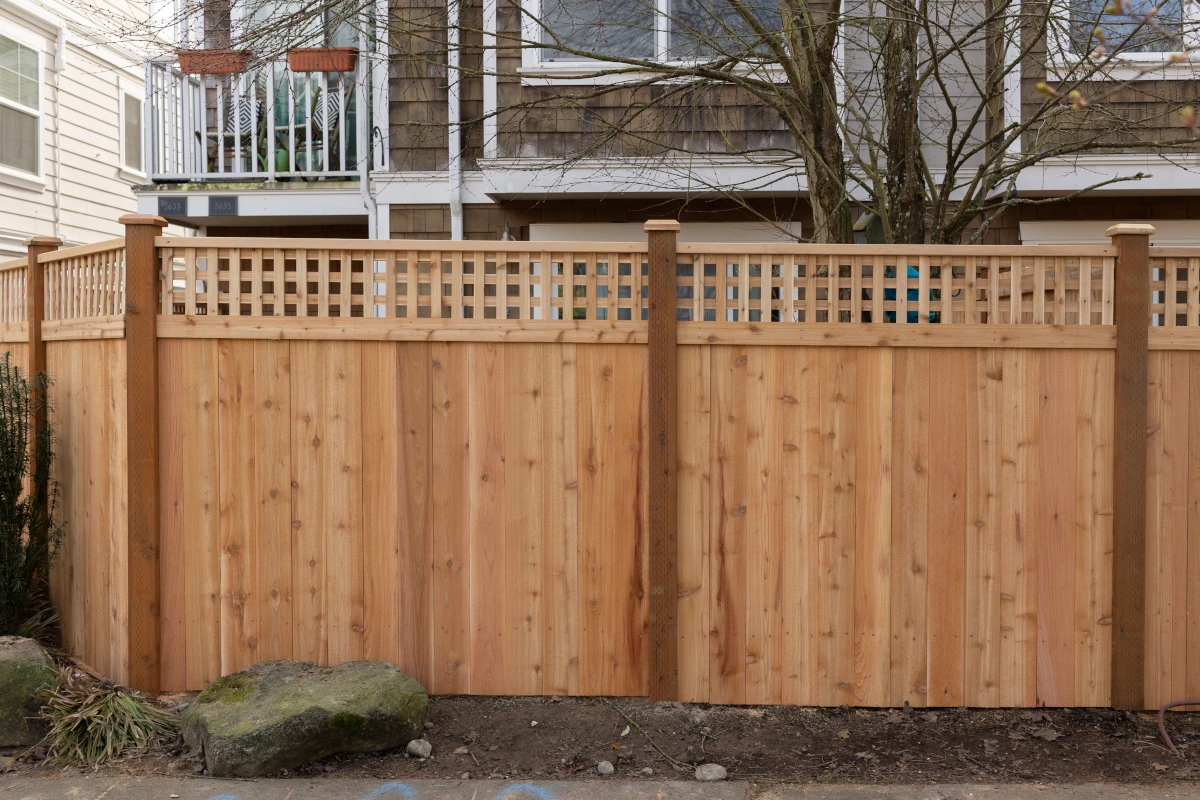
If you're building a wood fence in the Seattle area, the material matters as much as the design. Cedar earns its keep here. Its natural oils resist rot and insects, which counts for a lot when your fence sits through months of Pacific Northwest drizzle.
The open lattice design helps too. Air moves through the top instead of getting trapped against a solid wall, so the wood dries out faster between rains. That combination, weather-tough cedar and a design that breathes, is what gives a lattice fence its staying power in our climate.
What cedar brings to the build:

Rot resistance. Natural oils fight off decay and insects without heavy chemical treatment.
Weather staying power. Cedar handles the wet-dry swing of Seattle seasons better than most softwoods.
A finish that lasts. The grain takes stain well, so the color holds instead of graying out fast.
Strength where it counts. Paired with solid posts, cedar keeps the fence straight over the years.
Not sure how a lattice top stacks up against other options? This side-by-side breaks down privacy, cost, and durability so you can compare at a glance.
A lattice fence sits in a nice middle ground. You get most of the privacy of a full panel fence, but with an added design touch that keeps the space feeling light.
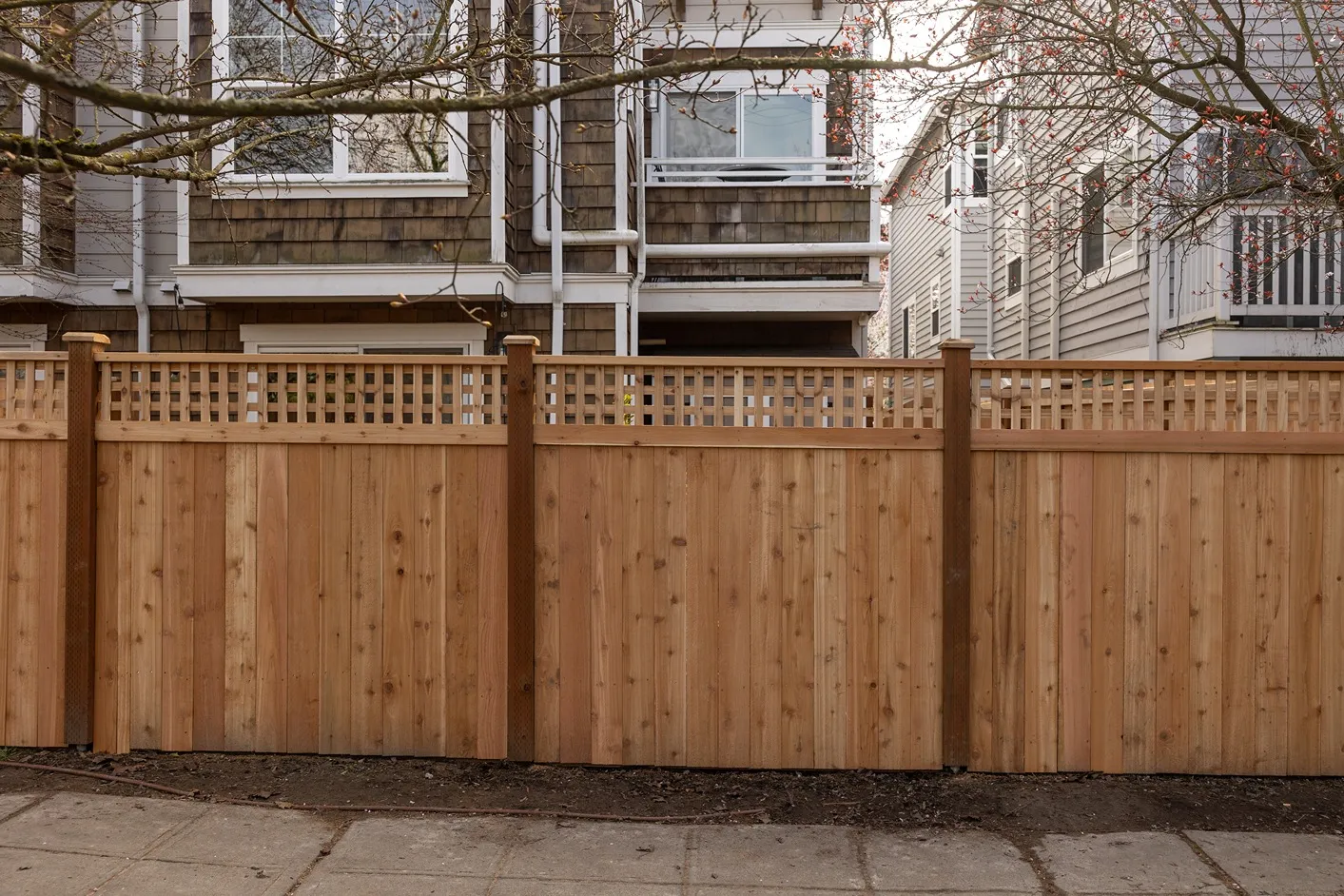
Take a look at completed lattice fence builds from around the Seattle area. Each one pairs a solid cedar base with a decorative lattice top, showing how a little design detail turns a plain boundary into something worth looking at. Browse the work and picture it in your own yard.
.webp)
.webp)
.webp)
.webp)

Pressure Treated Pencil Stick 3 ½" x 3 ½"
Pressure Treated 2x4 Rails
Grade 1 Cedar Fence Boards 5½" x ⅝”
Post Caps Included
Stainless Steel Nails
Jumbo Pressure Treated Posts 4⅛" x 4⅛"
Appearance Grade Cedar 2x4 Rails
Grade 1 Cedar Fence Boards 5½" x ⅝”
Post Caps Included
Stainless Steel Nails
Appearance Grade Cedar Post on Pipe 3 ½" x 3 ½"
Appearance Grade Cedar 2x4 Rails
Grade 1 Cedar Fence Boards 5½" x ⅝”
Post Caps Included
Stainless Steel Nails
Clear Cedar Post on Pipe 3½" x 3½"
Appearance Grade Cedar 2x4 Rails
Clear Cedar Fence Boards 5½" x ⅝"
Post Caps Included
Stainless Steel Nails
This style is flexible, but it really shines in a few spots around Seattle homes. These are the setups where it works best.
If your backyard is where you relax, a lattice fence keeps it private without making it feel closed in. It screens out the neighbors while letting evening light through, which helps during our shorter fall and winter days.
Gardeners love this one. The lattice top acts as a built-in trellis, so climbing plants can grow right up the fence. You get privacy and a living wall of greenery in the same spot.
A lattice fence marks your boundary while keeping a friendly, open feel that works well with close neighbors. It looks good from both sides too, which helps if you share the line with the house next door.
Want a cozy corner for a fire pit or outdoor dining? A lattice fence screens the space without boxing it in, so it stays private but still feels connected to the rest of the yard.
Every yard is different, so lattice fence cost isn't one flat number. A few things move it up or down. Knowing them helps you plan before you ask for a quote.
The best way to know your lattice fence cost is a free on-site estimate. We measure your yard, look at the terrain, and give you a clear, detailed quote with no guesswork.
A little planning goes a long way. These choices are specific to lattice builds, so think them through before your wood fence installation begins.
We walk you through all of this during your free on-site estimate, so there are no surprises later.
Cedar lattice fences don't ask for much, but the lattice part needs a bit more care than a plain panel. Those thin strips have more edges and gaps. That's where the upkeep is different.
Stay on top of these and the lattice will keep its shape and color for years, right alongside the solid panels below.
At Rare Bears Fencing, we build with a simple goal in mind: strong fences and even stronger communities. That focus on care drives every job we do across Snohomish and King Counties.
When you choose us for your lattice fence, you get:
From your first call to the final walkthrough, our crew handles every post, panel, and lattice strip with care.

.svg)
A lattice fence has a solid lower panel for privacy and an open, criss-cross lattice section on top. The design blocks sightlines while letting light and air pass through the upper portion.
Yes. The solid bottom section handles privacy at eye level. The lattice sits above that, so it adds style without exposing your yard. You can adjust how much solid panel versus lattice you want based on your privacy needs.
Height depends on the solid panel plus the lattice top. Many Seattle homes land around six feet total, but local codes and HOA rules can affect the limit. We help confirm what's allowed for your property during the estimate.
Cedar is one of the best choices for our climate. Its natural oils resist rot, decay, and insects, which helps it hold up through Seattle's wet seasons better than many other woods.
Absolutely. The open lattice top makes a natural trellis for climbing plants like clematis, jasmine, or roses. Just let us know so we can plan the right spacing for your greenery.
With regular cleaning and periodic sealing, a well-built cedar fence can last many years. Upkeep matters, so staying on top of maintenance protects your investment and keeps the wood looking fresh.
A full panel fence is solid from top to bottom for maximum privacy. A lattice fence swaps the top section for an open pattern, trading a bit of coverage for more light, better airflow, and a decorative look.
Not much. Plan on a yearly rinse and a fresh coat of stain or sealer every couple of years. Check the lattice strips now and then for any that have loosened, and trim back climbing plants as needed.
Yes. We serve homes and businesses across Snohomish and King Counties, including Bellevue, Everett, Kent, Renton, Lynnwood, Redmond, and many more nearby cities.
Just call us at (206) 202-9157 or fill out the form on our site. We'll set up a free on-site estimate. Our team measures your yard, walks you through the options, and sends over a clear, detailed quote.
.png)


.png)