.svg)
Why Seattle's Climate Makes the Aluminum vs Steel Fence Decision So Critical
Seattle averages over 150 days of rainfall annually, and persistent moisture is the primary threat to any metal fence. Both aluminum and steel fencing perform very differently under these conditions, and choosing without understanding them can lead to premature corrosion, structural failure, and avoidable cost.
Aluminum and steel fences are both strong, long-lasting options compared to traditional fencing materials like wood. However, their core material properties respond very differently to moisture, salt air, and temperature changes. Understanding these differences upfront saves Seattle homeowners significant money and frustration over the long term.
Aluminum Fence vs Steel Fence: A Direct Material Comparison
Rust Resistance
- Aluminum does not rust, which is its biggest advantage in Seattle’s climate.
- Aluminum naturally forms a thin oxide layer (a molecular coating that bonds to the surface and actively blocks further corrosion) whenever it is exposed to moisture or air.
- Steel, by contrast, contains iron. When iron meets oxygen and moisture, it oxidizes and forms rust.
- Uncoated or damaged steel fencing in Seattle will begin showing surface rust within a relatively short time frame without proper maintenance.
- In terms of steel fence vs aluminum fence durability in wet climates, aluminum is the better performer, especially when rust protection is the top priority.
Strength and Security
- Steel fencing carries significantly greater tensile strength (the maximum stress a material can bear before breaking) than aluminum.
- For high security applications, commercial perimeters, or properties requiring a fence that physically resists impact, steel fence is the superior choice.
- Aluminum fencing, while durable for residential use, can bend or dent under heavy force more readily than steel.
- Wrought iron fencing (a traditional form of steel fencing known for its ornamental appearance and exceptional density) is one of the strongest traditional fencing materials but carries the highest maintenance burden as well.
Weight and Installation
- Aluminum is lightweight, typically weighing considerably less per linear foot than comparable steel fencing.
- This makes aluminum fencing easier and faster to install, which generally reduces labor costs.
- Steel fencing requires more substantial installation effort due to its weight, particularly for taller panels and gate systems.
- Both aluminum and steel fences typically require concrete post footings for proper anchoring, particularly on Seattle's variable soil.
Aesthetic Appeal
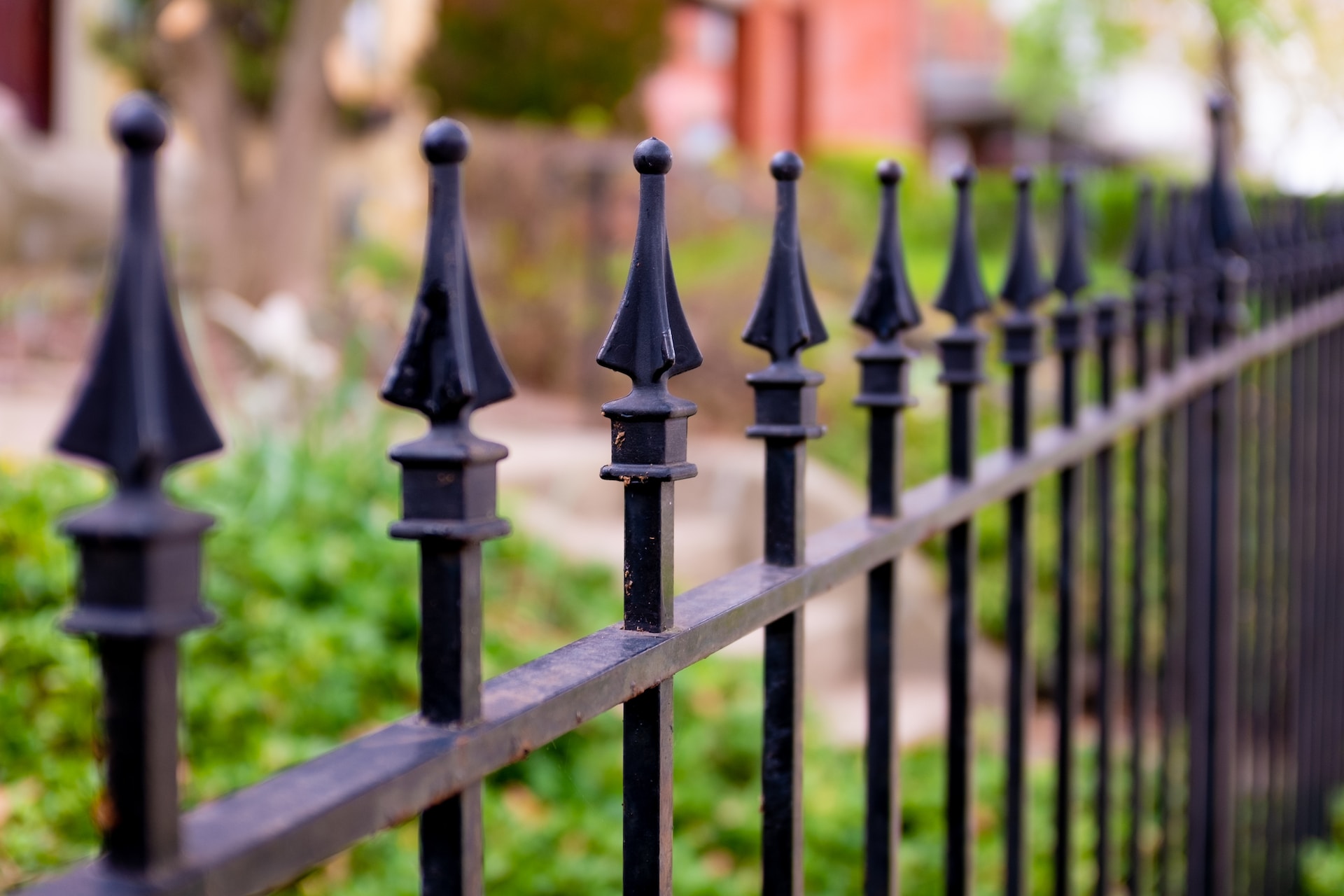
- Both aluminum and steel fencing are available in various styles, from classic vertical picket designs to ornamental profiles that replicate the look of wrought iron fencing.
- Powder-coated aluminum fence (aluminum fencing finished with a dry powder applied electrostatically and baked on for a durable, even color coat) offers a wide range of color options and a consistently refined appearance.
- Steel fencing can also be powder coated or painted, but requires more vigilance to maintain that protective coating against chipping and peeling in wet conditions.
- Aluminum fencing offers a cleaner long-term appearance in Seattle's climate simply because surface corrosion is not a factor.
Steel Fence vs Aluminum Fence Durability: Which Lasts Longer in Seattle?
In Seattle, durability means resisting moisture, temperature swings, moss growth, and long-term wear. Steel fence vs aluminum fence durability depends on several factors because both materials have genuine strengths.
Aluminum Durability
- Powder-coated aluminum fence can last 30 to 50 years with minimal intervention in climates like Seattle's.
- Because aluminum does not rust, the structural integrity of the fence remains consistent even when the surface coating weathers slightly.
- Aluminum fencing is also resistant to saltwater environments, making it an excellent choice for Seattle properties near Puget Sound or coastal areas.
- Most professional fence installers consider aluminum one of the most reliable long-term choices for the Pacific Northwest specifically because of its corrosion resistance.
Steel Durability
- Galvanized steel fencing (steel coated with a layer of zinc to resist rust formation) extends the lifespan of steel fence significantly compared to uncoated bare steel.
- With a proper protective coating maintained consistently, a quality steel fence can last 20 to 30 years in Seattle conditions.
- However, any scratch, chip, or breach in the protective layer exposes the steel beneath to moisture, and rust formation can begin quickly in Seattle's environment.
- Steel fencing requires periodic inspection, repainting, or recoating to maintain its protective layer and prevent corrosion from spreading.
So, how long does an aluminum fence last compared to steel? Under Seattle's conditions, a properly installed powder-coated aluminum fence will typically outlast an equivalently priced steel fence simply because it demands far less maintenance to preserve its protective properties.
💡 Pro Tip: Inspect any metal fence annually for chips, scratches, or areas where the protective coating has worn away. For steel fencing, address these spots immediately with touch-up paint or a rust-inhibiting primer to prevent corrosion from spreading beneath the surface.

Rust Proof Fencing: Does Aluminum Truly Deliver?
Rust proof fencing is one of the most searched promises in the residential fencing market, and aluminum is the material most closely associated with it. But what does rust proof actually mean in practice?
Aluminum itself does not contain iron, which means it cannot undergo the oxidation process that creates rust. This makes aluminum genuinely rust proof at the material level, not just resistant. Rust resistant describes materials like galvanized steel, which resist rust through an applied protective coating but can still rust if that coating is compromised.
For Seattle homeowners who want true rust proof fencing without ongoing maintenance obligations, aluminum is the definitive choice among metal fence options. It does not require annual sealing, repainting, or rust treatment. A powder-coated aluminum fence simply needs occasional cleaning to maintain its appearance across decades of use.
Steel fencing, while not rust proof, can achieve strong rust resistance through galvanization or powder coating. For homeowners who prioritize maximum strength and are committed to periodic maintenance, steel delivers long-term value. For those who want to install and largely forget, aluminum is the clear winner.
What Does Each Fence Type Actually Cost in Seattle?
Cost is a significant consideration in any fencing decision, and aluminum vs steel fence pricing reflects the differences in material weight, manufacturing complexity, and installation requirements.
Steel fence cost per linear foot is often higher than aluminum at the point of purchase. When long-term maintenance costs are factored in, the total cost of ownership over a 20 to 30-year period often favors aluminum for Seattle residential properties. Steel fencing delivers more value in high security or commercial applications where its structural advantages justify the higher ongoing investment.
Choosing the Right Metal Fence for Your Seattle Property: Key Considerations
Picking between aluminum vs steel fence is not purely a materials science decision. Several practical factors shape which choice makes the most sense for your specific property.
Security Requirements
- For standard residential boundaries, garden enclosures, or decorative perimeter fencing, aluminum fencing offers more than sufficient strength.
- For properties requiring robust perimeter security, commercial installations, or high-impact resistance, steel fencing is the appropriate choice.
- Wrought iron fencing, a dense and heavy form of steel fencing, is traditionally chosen for high-value properties where aesthetic appeal and exceptional durability are both priorities.
Maintenance Appetite
- Homeowners who prefer a low maintenance fence that performs consistently without annual intervention should strongly favor aluminum.
- Homeowners who are willing to commit to periodic inspection and touch-up maintenance can extract excellent long-term performance from a well-coated steel fence.
- Minimal maintenance over the long term is one of aluminum fencing's defining advantages in Seattle's climate.
Aesthetic Goals
- Both materials support ornamental designs that reference the classic look of wrought iron fencing without the associated weight and rust risk.
- Powder-coated aluminum fence is available in numerous color options and holds color well over time without fading as rapidly as painted steel.
- Steel fencing in decorative styles carries a heavier, more substantial visual presence that appeals to homeowners seeking a more commanding aesthetic.
Budget and Long-Term Value
- For budget-conscious homeowners focused on long-term value with minimal maintenance costs, aluminum is the more economical choice over the fence's full lifespan.
- For projects where upfront strength and security outweigh long-term maintenance considerations, steel justifies its higher initial cost.
Powder-Coated Aluminum Fence: Why the Finish Matters as Much as the Material
Many homeowners focus exclusively on the base material when comparing aluminum vs steel fence. The quality of the protective coating applied to either material is equally important to long-term performance in Seattle's climate.
Powder coating is a finishing process in which dry powder pigment is applied electrostatically to the metal surface and then cured under heat to form a dense, even protective layer. This process produces a finish that is significantly more durable and chip-resistant than standard liquid paint.
Why Powder Coating Matters for Seattle
- It seals the metal surface against moisture penetration at a microscopic level.
- It resists chipping from impact, UV fading from light exposure, and surface degradation from moss or algae.
- On aluminum, powder coating enhances an already rust-proof material, providing decades of color retention and surface protection.
- On steel fencing, powder coating is essential rather than optional. Any breach in a steel fence's protective coating in Seattle's wet climate accelerates rust formation rapidly.
💡 Pro Tip: When reviewing quotes for powder-coated aluminum fence, ask specifically about the coating thickness measured in mils (one mil equals one thousandth of an inch). A thicker coating provides meaningfully greater protection and longevity. Most professional fence installers recommend a minimum powder coat thickness for exterior residential fencing.
The Right Metal Fence for the Right Seattle Property
Aluminum vs steel fence is ultimately a decision shaped by your priorities. Aluminum fencing delivers rust proof fencing performance, decades of minimal maintenance, and reliable long-term value that suits most Seattle residential properties exceptionally well.
Steel fence provides superior structural strength for homeowners where security and physical resilience matter more than low maintenance convenience. Both aluminum and steel fencing generally outperform wood and other traditional fencing materials in longevity and weather resistance when properly installed in the Pacific Northwest.
Reach out a licensed Seattle fence contractor about your specific property, budget, and goals. The right fence depends on your property and priorities. Visit Rare Bears Fencing to explore your options and request a detailed, no-obligation quote today.
FAQs
Which is better for Seattle's climate, aluminum or steel fence?
Aluminum fence is generally the better choice for Seattle's wet climate because it does not rust at the material level. Steel fence performs well with proper coating maintenance but requires more ongoing care to prevent corrosion in consistently moist conditions.
How long does aluminum fence last in the Pacific Northwest?
A properly installed powder-coated aluminum fence typically lasts 30 to 50 years in Pacific Northwest conditions with minimal maintenance. Its inherent rust resistance means Seattle's rainfall does not degrade its structural integrity the way it affects steel or traditional fencing materials.
Is steel fence stronger than aluminum fence?
Yes, steel fence carries significantly greater tensile strength than aluminum fence. Steel is the preferred choice for high security applications, commercial perimeters, and situations requiring maximum resistance to physical impact or forced entry.
Does powder-coated aluminum fence fade or chip over time?
Quality powder-coated aluminum fence resists fading and chipping considerably better than painted steel. The electrostatic application process creates a dense, bonded finish that holds color well across years of outdoor exposure, including Seattle's UV-limited but moisture-heavy environment.
Is aluminum fence more expensive than steel fence?
Aluminum fence typically costs less per linear foot than steel at the point of purchase. However, steel fence cost can appear comparable initially when high-grade galvanization is included. Over a full lifespan, aluminum generally delivers lower total cost of ownership due to significantly reduced maintenance costs.
Can either fence type handle Seattle's wind and storms?
Both aluminum and steel fencing handle wind load effectively when posts are properly set in concrete footings at the correct depth. Steel fence has a structural advantage in extreme wind events due to its greater weight and rigidity. Aluminum fencing installed by an experienced contractor performs reliably in standard Pacific Northwest storm conditions.




.svg)


.png)