.svg)
Why More Seattle Homeowners Are Building a Backyard Dog Run
Dogs are part of the family, but keeping them safe outside without constant supervision is a genuine challenge. That is why many pet owners are investing in a dedicated backyard dog run or backyard dog kennel.
As Rare Bears Fencing manager Brandon Seville told The Seattle Times: "When you let them outside, you do not want to constantly keep eyes on them as you go in and out." That is especially true for households where people are working from home, moving in and out of the house throughout the day, or managing young kids alongside pets.
Beyond convenience, our team regularly hears a few other common motivations:
- A designated dog potty area that does not become a muddy mess every time it rains
- Safe containment for multi-dog households where dogs need separation during feeding or play
- A controlled space for pandemic-era dogs that were not fully socialized and can be reactive to strangers, a pattern we have seen increase in recent years.
- Protecting existing landscaping while still giving dogs room to move and burn energy
If any of those sound familiar, here is everything you need to know about dog run ideas for backyard projects before you build.
Choosing the Right Fencing for Your Dog Run for Backyard
The fencing is the most critical decision in any dog run for backyard setup. The wrong material for your dog's size, strength, or behavior means repairing or rebuilding sooner than planned.
Best Materials for Most Dogs
Chain link fencing and open mesh are the top choices for a dog run for backyard. They allow full visibility, which reduces stress, and galvanized steel is durable, low-maintenance, and ideal for wet Seattle-area winters. Plastic-coated wire fencing offers a cleaner look with similar durability.
Sleek Aesthetic Options
Black powder-coated fencing is modern and popular for homeowners who want a polished look. It is not ideal for chewers, but adding vertical bars along the bottom improves escape resistance. Ornamental iron panels provide a strong, stylish alternative.
Height and Edge Considerations
Rounded top edges are safer than twist tops, especially for jumping or athletic breeds. Plan fence height according to your dog's size and energy level to prevent escapes.
Materials to Avoid
Wood fencing absorbs urine, traps odors, and may contain harmful chemicals. Hog fencing can allow small dogs to slip through gaps. For wind-exposed yards, set posts deep to prevent shifting, which creates both safety and structural risks.
Backyard Dog Run Ideas: Layout and Location
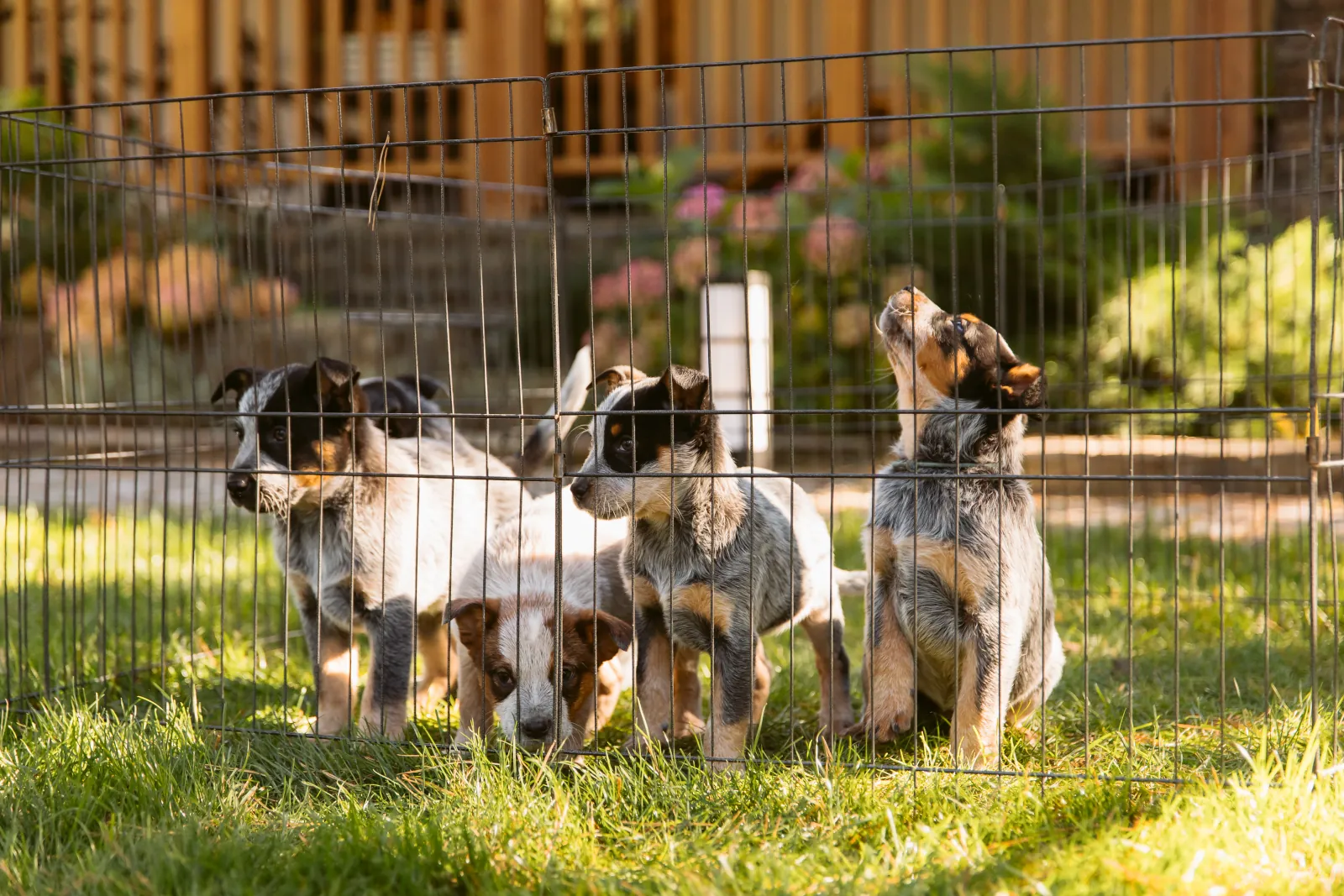
The best backyard dog run ideas treat the enclosure as a landscape element, not an afterthought.
Planning principles to consider:
- Place it near the house for easy access and protect any adjacent siding from urine damage
- Include shade to prevent your dog from overheating in full sun
- Control sight lines so your dog does not see street traffic constantly, reducing barking and stress
- Design around your dog's behavior, such as incorporating a gravel circuit path for dogs that like to run along the fence
These dog run ideas for backyard work for narrow side yards or open back lawns. The goal is a run that functions well and looks intentional.
Dog Run Ground Cover: What Works and What to Skip
The right surface affects hygiene, comfort, drainage, and mud control in your backyard dog run.
- Artificial turf for dog run: The most popular choice in Seattle. Drains well, stays clean, and is easy to hose off. Pet-grade turf with a perforated backing prevents pooling and keeps maintenance minimal.
- Pea gravel: Comfortable under paws and drains well. Works best in covered areas. Affordable, but not ideal for dogs that scatter it around.
- Concrete: Stops digging and cleans easily, but gets hot in summer and is hard on joints. Protect with mats, pea gravel, or chips. Ensure proper drainage when poured. Avoid wood chips for large or long-haired dogs because they cling to fur.
- Dirt: Cheapest but messiest. Puddles after rain and tracks inside. Fine temporarily, but upgrade when possible.
Dog Run Ideas for Large Dogs: Size, Strength, and Escape-Proofing
Building a run for a large breed is a meaningfully different challenge than building one for a small dog. Big dogs apply more force to fencing, dig with more persistence, and can clear heights that would stop most other breeds cold. These dog run ideas for large dogs address those realities directly.
Go taller than you think you need to. A standard 4-foot fence is insufficient for most large breeds. Six feet is the right starting point for dogs over 50 pounds, and athletic or hunting breeds may warrant going even higher. Factor in your specific dog's history, not just the breed average.
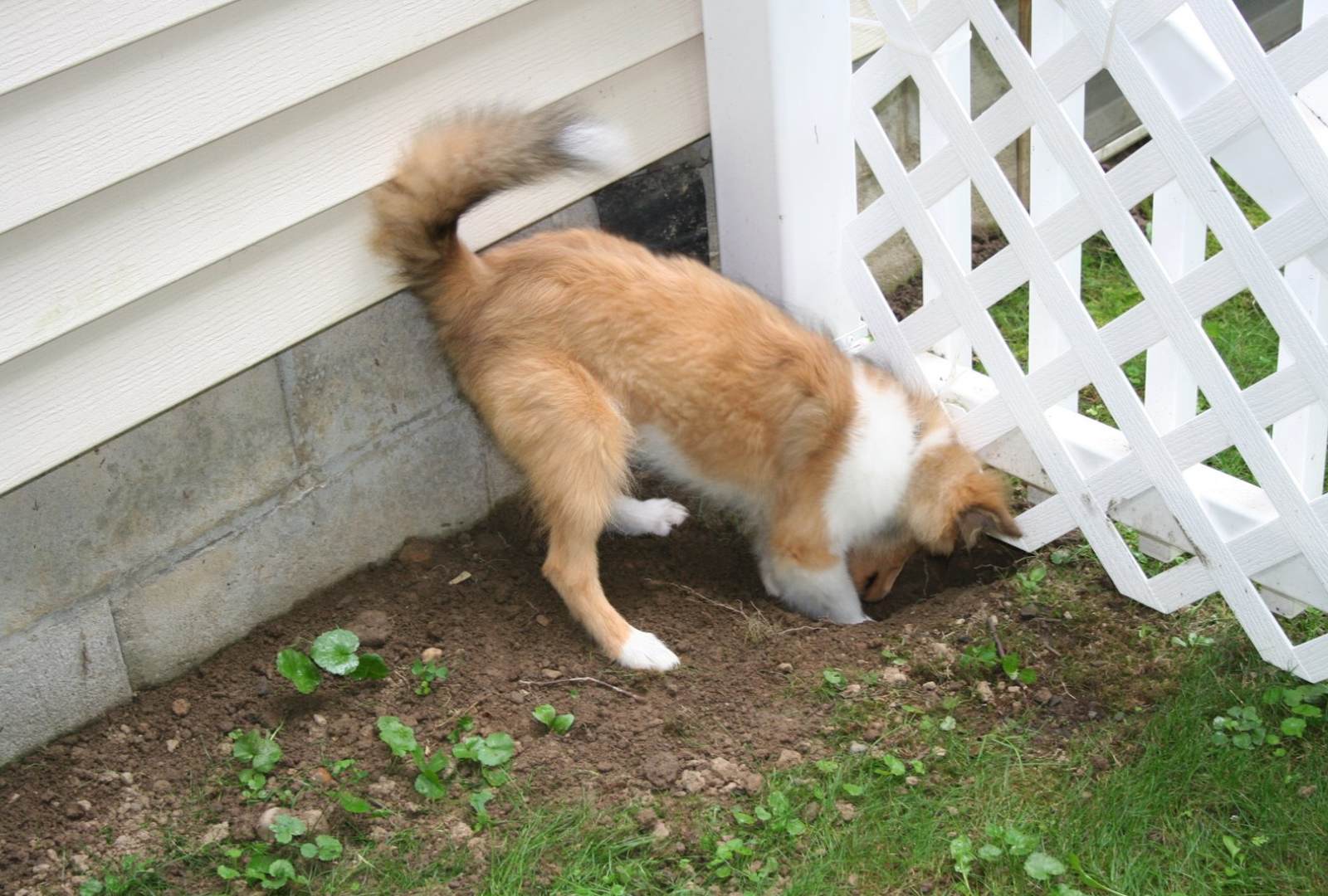
Bury wire mesh at least a foot underground along the full perimeter. Determined diggers will work on a run until they find a way under. Burying mesh intercepts that attempt early.
Use heavy-gauge fencing throughout. Wire gauge that is perfectly adequate for a small breed will get bent, bowed, and eventually compromised by a large dog testing the perimeter repeatedly. Size up on gauge from the start.
Reinforce the gate. The gate is almost always the weakest structural point in a run. Heavy-duty hardware and a dog-proof latch that your dog cannot accidentally work open by pressing against it are non-negotiable for large breeds.
Add a roofed section. In Washington's climate, this is practical rather than optional. A covered area means your dog can stay outside during the day without getting soaked, which matters both for your dog's comfort and for keeping the interior of your house dry when they come back in.
Adding a Kennel: The Fourth Wall Option
For dogs that spend significant time in the run, incorporating a backyard dog kennel into the design is worth considering. Rather than a standalone structure placed inside the enclosure, a kennel can serve as the fourth wall itself, built directly into the run for a cleaner, more integrated setup.
Prebuilt options are widely available, but quality varies. A builder can set kennel posts in the ground like standard fencing or bolt prefab panels onto a concrete foundation. Heated kennels are also available for dogs that spend extended time outside in colder months.
For bedding, use straw and replace it every few weeks. Blankets hold moisture, which is problematic in Washington's wet climate. Avoid bark or dirt inside due to saturation and odor. A cedar doghouse with steel roofing paired with artificial turf outside is a combination we have seen perform consistently well for Seattle-area clients.
Before You Break Ground: How to Make a Dog Run in Backyard Safely
Whether DIY or hiring a pro, certain steps are essential before digging. Knowing how to make a dog run in backyard safely starts with proper prep.
- Do your research. Look at completed runs online to understand layout options, materials, and realistic costs. This helps you plan a run that works for your yard and dog.
- Call 811. Washington state law requires marking underground utilities before digging. This prevents fines and serious safety hazards.
- Check permits. In Seattle, fences over 8 feet need an engineering permit. Confirm local rules before installation.
- Verify plant safety. Ensure nearby plants are non-toxic to dogs. Common hazards include rhododendrons, azaleas, laurels, hydrangeas, daffodils, and English ivy. The ASPCA provides a searchable list to check before finalizing your layout.
Conclusion
A well-planned backyard dog run is one of the best investments you can make for your dog's safety and your own peace of mind. Fencing material, layout, dog run ground cover, drainage, and gate hardware all work together. Get one element wrong and the whole setup underperforms.
Rare Bears Fencing has been helping Seattle-area homeowners build dog runs that hold up, look great, and keep pets safe. Whether you want a clean powder-coated aesthetic setup or a heavy-duty galvanized run for a large breed, we will help you figure out exactly what your yard and your dog need.
Tired of chasing your dog around the yard? Let's build something that actually keeps them in. Contact us today for a free estimate.
FAQs
How much does it cost to build a backyard dog run?
A basic DIY chain link setup starts at a few hundred dollars. A professionally installed run with artificial turf, covered area, and heavy-duty hardware can run into the thousands. A local quote gives you the most accurate number for your yard and dog.
What is the best fencing material for a dog run?
Galvanized steel chain link or open mesh for durability and low maintenance. Black powder-coated fencing for aesthetics only if your dog doesn't chew.
How do I stop my dog from digging out of a dog run?
Bury wire mesh at least 12 inches underground along the perimeter. Most dogs stop once they hit it. Concrete eliminates digging entirely but needs protective ground cover on top.
What is the best dog run ground cover?
Artificial turf is the most popular and lowest-maintenance option in Seattle's climate. Pea gravel is a solid second. Avoid bare dirt when possible.
Do I need a permit to build a dog run in Seattle?
Fencing under 8 feet generally doesn't require a permit. Over 8 feet may require an engineering permit. Always confirm current local requirements before building.
Should a backyard dog run have a roof?
Yes, especially in Washington. A covered section keeps your dog dry and lets them stay outside longer, regardless of the weather.
How long should a backyard dog run be?
At least 3 to 4 times your dog's body length. For large breeds, 10 by 20 feet or more is the practical minimum.
Do I need to call 811 before building a dog run?
Yes. Washington state law requires it before any digging. It's free and protects you from hitting underground utility lines.
Can a backyard dog kennel help with potty training?
Yes. A consistent dedicated space builds routine and makes cleanup easier which reinforces the habit over time.




.svg)


.png)