.svg)
If you're looking for fence options for a residential property in the Pacific Northwest, our guide to durable low-maintenance fence options for homes in rainy climates covers that separately. This post is written specifically for commercial property managers and facility teams.
Why Seattle Rain Is a Bigger Problem for Commercial Fencing Than Most People Realize
Seattle averages over 37 inches of rain annually and it does not fall all at once. It settles in for months. That kind of sustained moisture exposure is a different problem than the occasional storm most fencing manufacturers design around.
For commercial properties, the stakes are higher than residential in almost every way:
- Longer fence runs mean more surface area in constant contact with moisture
- Perimeter posts sit in soil that stays waterlogged from October through April
- Liability and compliance standards do not pause while you wait for a dry season to make repairs
- Appearance standards for commercial properties in Seattle's business districts are enforced year-round
Durable and low-maintenance commercial fencing for rainy climates is not a nice-to-have in the Pacific Northwest. For property managers and facility teams in King County, it is the baseline requirement. A fence that needs recoating every two years or shifts posts after one wet season is not a low-maintenance fence. It is a recurring budget line.
The fencing materials also matter more than most people expect. Non-porous materials that do not rust, warp, or rot under constant moisture exposure are the only ones worth specifying at commercial scale in Seattle. Wood does not make that list.
Best Commercial Fencing for Rainy Climates in the Pacific Northwest
Not all weather-resistant fencing holds up equally at commercial scale. A material that performs fine on a residential property can fail faster on a commercial perimeter where exposure is constant, maintenance windows are narrow, and replacement costs run significantly higher.
The three materials that consistently perform in Seattle's wet conditions are galvanized chain link, powder-coated steel, and commercial aluminum fence. Each has a different best-use case depending on the property type, security requirement, and how much ongoing maintenance a facility team can realistically commit to.
Galvanized Chain Link Fence
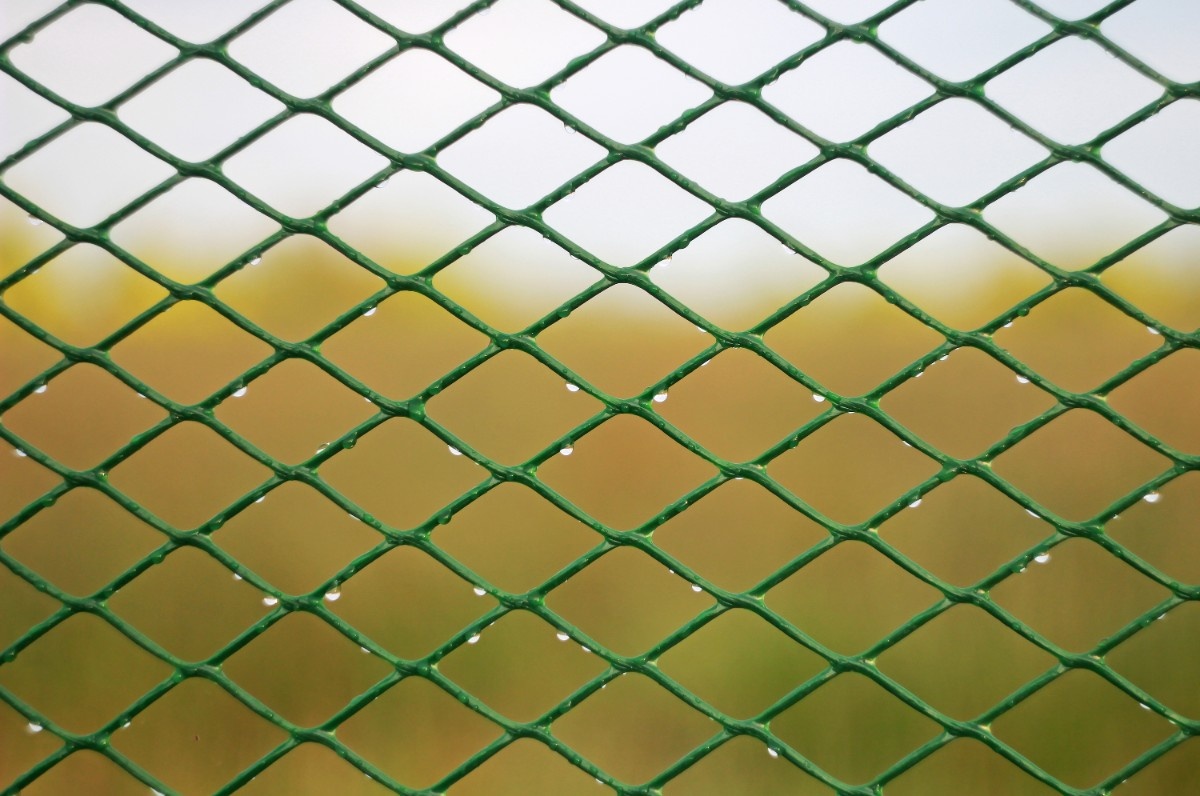
Galvanized steel chain link is the most widely specified commercial fence in Pacific Northwest wet-climate installs and for good reason. The zinc coating bonds to the steel and creates a barrier that resists rust even under year-round moisture exposure in King County's climate. Its open-style design also allows for better airflow, which helps the fence dry faster after rain and reduces the likelihood of mildew buildup along the fence line.
There are two types and the difference matters in Seattle:
- Hot-dip galvanized submerges the steel in molten zinc, producing a thicker and more durable coating that holds up longer under sustained moisture
- Electro-galvanized uses an electrical process that produces a thinner coat, more affordable upfront but more vulnerable to Seattle's persistent rain over time
Vinyl coated chain link is worth the upgrade for most commercial installs here. The vinyl layer adds a second moisture barrier over the galvanized wire and meaningfully extends lifespan in King County's conditions. For warehouses, industrial yards, school perimeters, and utility facilities, hot-dip galvanized with vinyl coating is the specification to ask for.
Powder-Coated Steel Fence
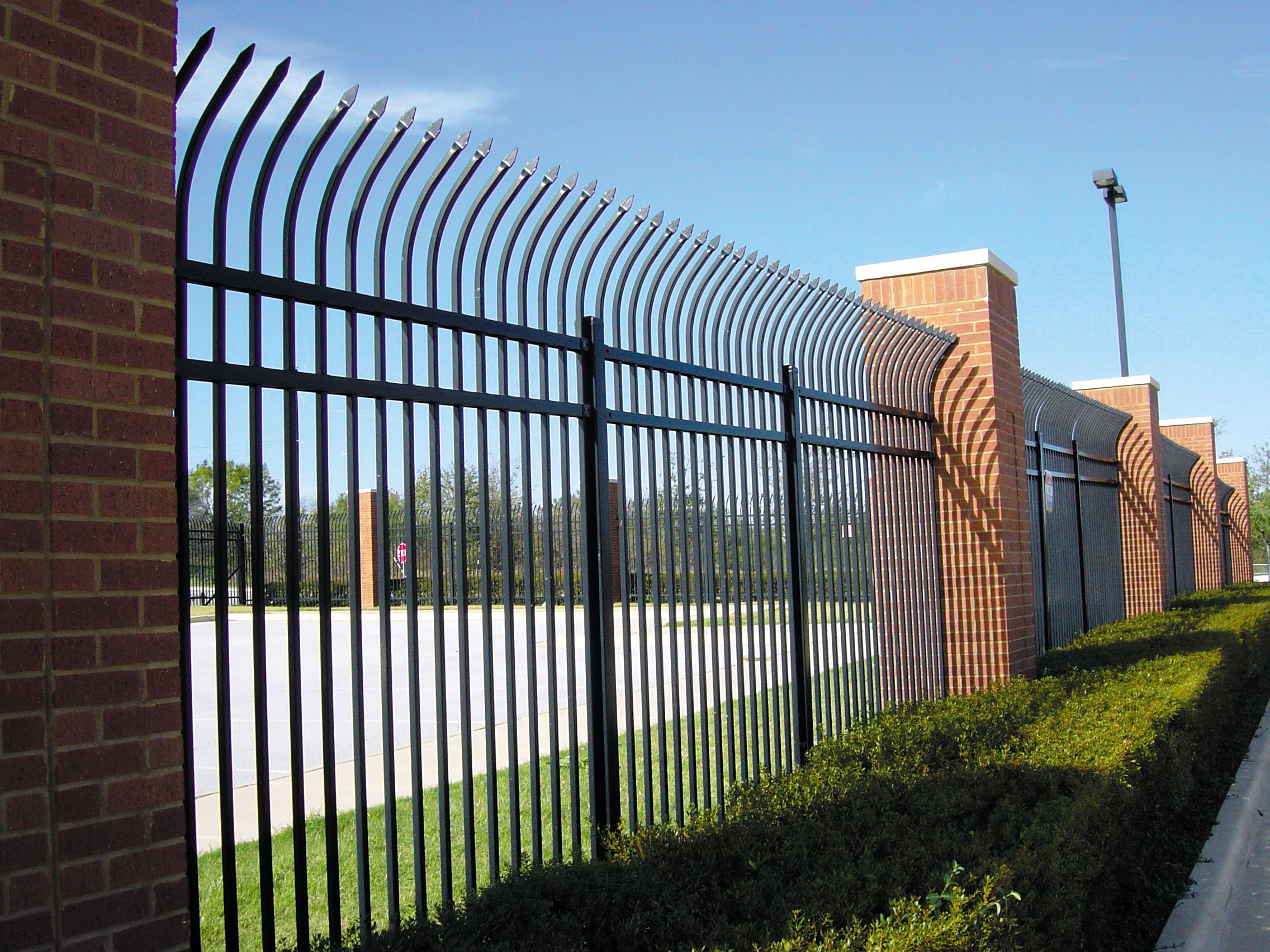
Powder-coated fencing works by electrostatically applying a dry powder to the steel surface, then heat-curing it into a sealed finish that locks out moisture. Unlike standard paint, powder coating bonds at a molecular level and resists chipping, peeling, and moisture penetration significantly better. For commercial properties in Seattle where aesthetics matter alongside security, powder-coated steel and ornamental iron are the standard upgrade from chain link.
A few things to know before specifying it for a Seattle commercial property:
- Powder-coated steel requires periodic inspection in Pacific Northwest conditions. The coating can chip at joints and post connections, and once moisture gets under the finish the rust process starts quickly
- Coating thickness and cure process should be specified in writing before work starts, not assumed
- A finish warranty from the contractor or manufacturer is worth requiring on any commercial install in a rainy climate
Best suited for office complexes, retail properties, and commercial campuses in Seattle where the fence is visible and needs to hold its appearance through the wet season.
Commercial Aluminum Fence
Commercial aluminum fence is rust-proof by composition, not just by coating. That distinction matters in Seattle. There is no finish to chip, no coating to reapply, and no underlying steel waiting to oxidize if the surface gets scratched. For property managers looking at a 30 to 50 year longevity horizon, aluminum consistently outperforms steel options on long-term maintenance costs in wet climates.
Aluminum is also lighter than steel, which makes installation easier in the waterlogged ground that is common across King County commercial sites in fall and winter.
Best suited for storefronts, commercial campuses, mixed-use developments, and any Seattle commercial property adjacent to residential areas where appearance and low maintenance fencing performance both matter.
What to Get Right During Commercial Fence Installation in Seattle
The right material fails fast if the installation cuts corners. For commercial fencing for rainy climates, how the fence goes in is just as important as what it is made of.
Post Depth and Soil Conditions
Pacific Northwest soil retains moisture longer than most regions in the country. Post depths that work fine in Eastern Washington or drier climates are not sufficient here. Posts set too shallow in waterlogged King County soil shift, lean, and compromise the fence line within a few wet seasons.
Elevated post footings with gravel fill are the standard approach for commercial installs in Seattle. The gravel layer allows water to drain away from the post base rather than pooling around it, which prevents the erosion-induced sagging that shortens fence life in high-rainfall areas. Any commercial fencing contractor working in King County should be able to speak specifically to post depth and footing requirements for your site, not just recite standard minimums.
Drainage Planning Around Posts
Slope and runoff are the two things most contractors skip on a commercial site assessment in Seattle. Water needs a clear path away from the fence line, and if your property has low spots, poor grade, or hard surfaces nearby that redirect runoff toward the perimeter, that moisture stays in contact with post bases longer than it should.
Before installation starts, ask your contractor how they are handling slope, runoff, and drainage for your specific site. Poor drainage accelerates corrosion even on galvanized and powder-coated fencing by keeping moisture in constant contact with post bases. A contractor who does not raise this topic independently is a contractor who has not thought about it.
Coating and Finish Specifications
Verbal assurances about coating quality are not enough for a commercial project in Washington State. Before work starts, get the following in writing:
- Coating type and thickness by material
- Cure process for powder-coated finishes
- Finish warranty terms and what voids them
- Anti-rust treatment requirements specific to the material specified
- Hardware specs: fasteners, brackets, gates, and hinges should be stainless steel or coated metal throughout. Standard hardware corrodes quickly in Seattle's wet conditions and undermines an otherwise solid installation
Compliance and Documentation
Commercial fencing installations in Seattle require permitting and the documentation requirements for King County and Snohomish County differ. Property managers need compliance paperwork on file for insurance purposes and for any future warranty claims. A contractor who handles this routinely will have a complete process for it. One who does not will leave you chasing paperwork after the job is done.

What to Ask a Seattle Commercial Fencing Contractor Before You Commit
Not every contractor who installs residential fencing in Seattle has the experience or process for commercial fencing for rainy climates, especially when soil conditions, drainage planning, and compliance documentation are all part of the job.
These are the questions worth asking before signing anything:
- Do they have documented experience with commercial installs specifically in King County or Snohomish County?
- How do they approach drainage planning for a site like yours?
- What does their warranty cover for rust, coating failure, and post movement?
- Are they licensed and insured in Washington State?
- How do they handle permitting and compliance documentation for commercial projects in Seattle?
The answers tell you quickly whether you are talking to a contractor who understands Pacific Northwest commercial conditions or one who is treating this like a standard residential fence job.
When Seattle Rain Meets the Wrong Fence, You Feel It Every Year
Commercial properties in Seattle and across King County do not get a break from the weather. The fence you specify today is going to face six to seven months of rain every single year, and the decisions made during material selection and installation determine whether that fence holds its integrity or becomes a recurring maintenance problem.
Galvanized chain link, powder-coated steel, and commercial aluminum fence are the materials that hold up. Drainage planning, proper post depth, and documented specifications are what make the installation last. And the contractor you choose determines whether all of that actually happens correctly.
Rare Bears Fencing installs commercial fencing across Seattle, King County, and Snohomish County. If you are replacing aging fencing or specifying for a new commercial project, contact us for a free estimate.
FAQs
What is the most durable commercial fencing for rainy climates?
Hot-dip galvanized chain link with vinyl coating is the top choice for high-security commercial perimeters in Seattle. For properties where appearance matters alongside durability, commercial aluminum fence is the better long-term pick since it is rust-proof by composition and needs no coating upkeep.
How long does a galvanized chain link fence last in Seattle weather?
A hot-dip galvanized chain link fence installed correctly in King County typically lasts 20 to 30 years with minimal upkeep. Vinyl coated chain link extends that further by adding a second moisture barrier. Electro-galvanized chain link falls short in Seattle's sustained wet conditions and is generally not the right spec for commercial projects here.
Is vinyl coated chain link worth it for commercial properties in the Pacific Northwest?
Yes. The vinyl coating adds a second layer of moisture protection over the galvanized wire, which meaningfully extends lifespan in King County's year-round wet conditions. The upfront cost difference is modest compared to the maintenance and replacement costs it helps you avoid over time.
What is the difference between galvanized and powder-coated chain link fence?
Galvanized chain link has a zinc coating bonded directly to the steel wire that protects against rust from the inside out. Powder-coated chain link adds a dry finish over the galvanized wire for extra moisture protection and a cleaner appearance. For Seattle commercial properties that need both rust resistance and a finished look, powder-coated chain link is the stronger spec.
Does commercial aluminum fence rust in rainy climates?
No. Aluminum does not contain iron so it cannot rust. When exposed to moisture it forms a natural oxide layer that protects the surface rather than degrading it. That makes commercial aluminum fence one of the most reliable long-term options for Seattle properties where rain exposure is constant and coating maintenance is not realistic.
How deep should commercial fence posts be set in Seattle's wet soil?
At minimum one-third of the total post length below grade, and often deeper depending on site conditions. Seattle's waterlogged ground causes posts set to standard residential minimums to shift or lean within a few wet seasons. A qualified commercial fencing contractor should assess your specific site before settling on post depth.
What maintenance does powder-coated steel fencing need in a rainy climate?
Inspect it at least once a year, focusing on post bases, joints, and connection points where the coating is most likely to chip. Any breach in the finish lets moisture reach the steel and rust starts quickly from there. Touch-up coating on affected areas plus an annual rinse is the minimum maintenance routine for powder-coated steel in Pacific Northwest conditions.



.svg)


.png)