.svg)
How Much Does a Fence Cost in Seattle? Full Price Breakdown
Most Seattle homeowners pay between $20 and $65 per linear foot for a professionally installed fence. A typical 100 foot residential project generally lands between $3,500 and $9,000, depending on material and site conditions. The exact fence installation cost Seattle contractors quote you will shift based on a few key factors.
Here's what typically shapes the number on your quote:
- Material: chain link, wood, vinyl, aluminum, and iron all carry different price points
- Linear footage: your total fence cost per linear foot multiplied by your yard's perimeter
- Gates: each opening adds meaningfully to the total
- Terrain: slopes and clay soil add labor time
- Demolition: removing an existing fence before the new one goes in
💡 Pro Tip: Always ask for your cost to install a fence Seattle quote broken down by labor, material, and add ons. A vague lump sum makes it hard to compare bids fairly.
Fence Cost Per Linear Foot by Material: King and Snohomish County
Different materials come with very different price ranges. If you're asking how much does a fence cost Seattle wide across common options, this table gives you a general residential fencing estimate for King and Snohomish County.
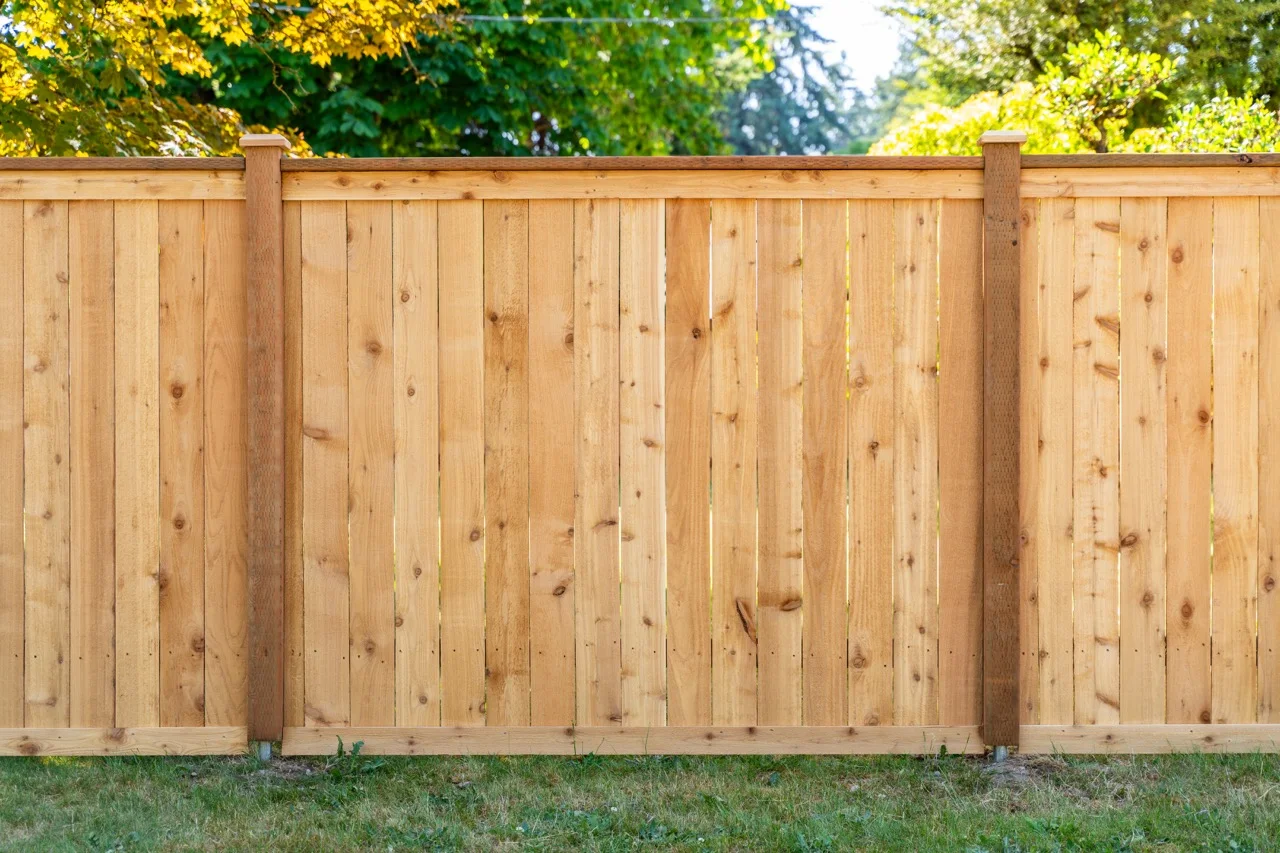
Basic chain link fencing in Seattle often starts around $11 per foot for straightforward, flat lot installations. For a detailed breakdown of cedar grades, panel styles, and per-foot pricing, our wood fence installation page goes deeper than this overview can.
What Drives Your Fence Cost Per Linear Foot Up?
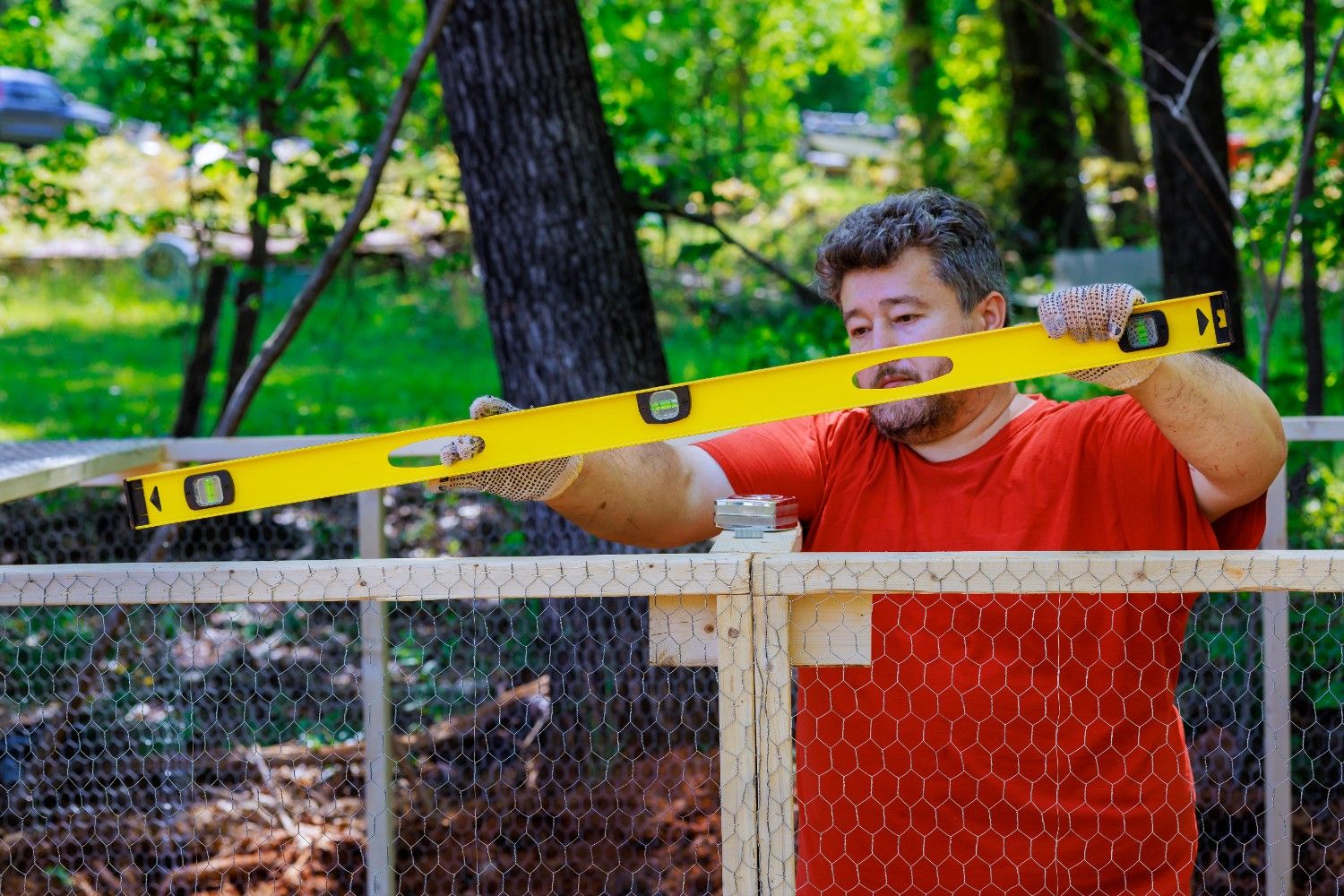
Two projects with identical footage can land at very different totals. Labor typically accounts for about 35 to 50% of your total project cost, so anything that adds installation time raises your price.
Gates. This is the most underestimated line item on most quotes. Adding a gate to a fence project generally adds $150 to $600 per gate, depending on width and hardware.
Terrain and soil. So how does terrain actually change the price? Seattle's clay heavy soil often requires deeper post holes and more concrete per post than looser soil types, which adds labor hours. Sloped yards may also need stepped panels or custom framing.
Old fence removal. Removing an existing fence before installing a new one typically adds $5 to $10 per linear foot.
Property lines. If your property lines aren't clearly marked, a survey can add $400 to $1,200 to your project before installation even begins.
Permits. Permit requirements vary by city and county, so always check with your local jurisdiction before starting. In general, permit fees can add 10 to 20% to your total project expenses.
Chain Link vs Wood vs Vinyl: Which Fits Your Budget?
How much does a fence cost when you compare materials side by side? Here's a quick look at tradeoffs beyond just price.
Chain link
- Lowest cost option in most cases
- Minimal upkeep required
- Offers little privacy on its own
Wood or cedar
- Mid range pricing with strong curb appeal
- Needs periodic staining or sealing to prevent rot and mold
- Full privacy coverage
Vinyl
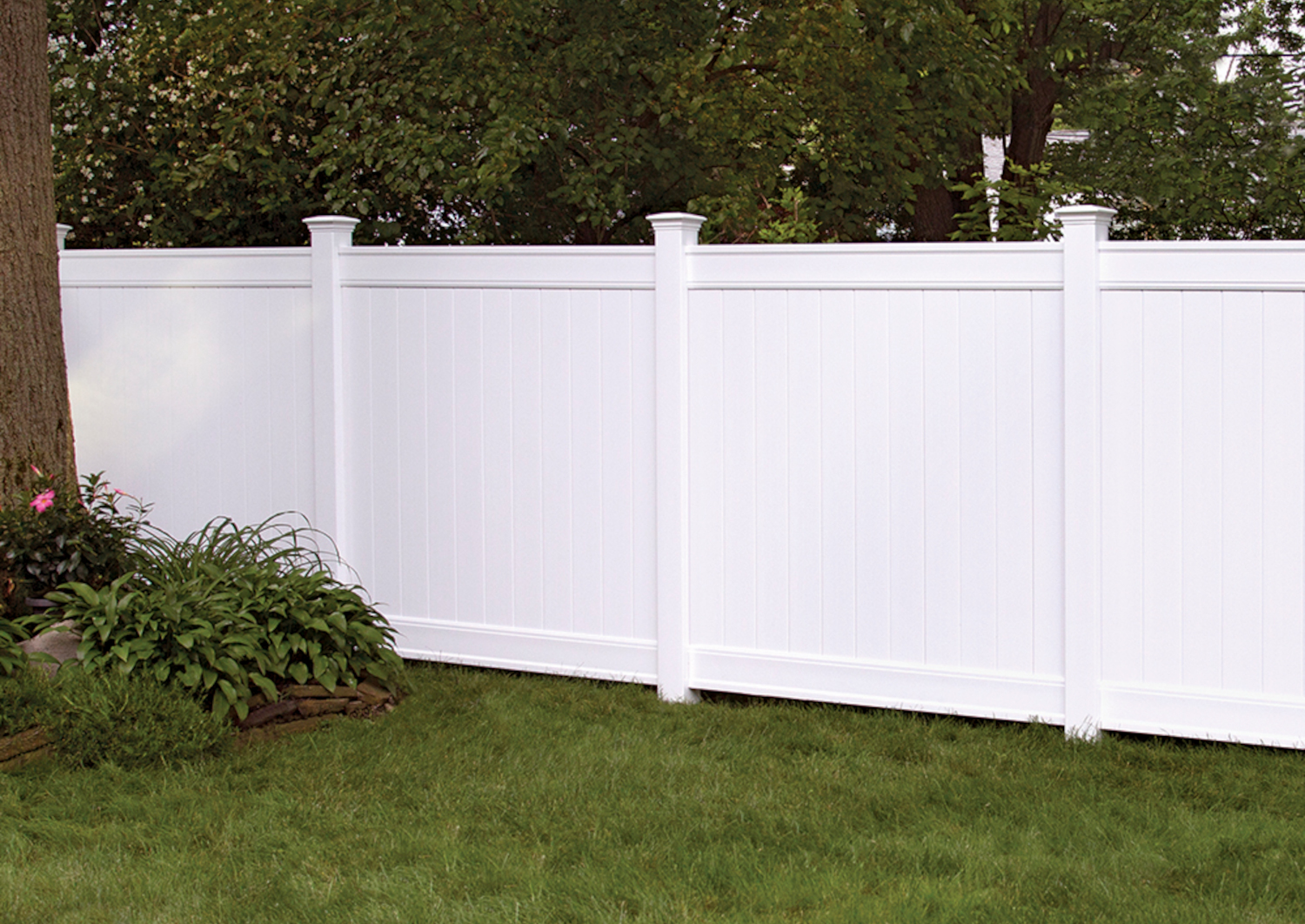
- Higher upfront cost, very low long term maintenance
- Holds up well in wet climates
- Won't warp, splinter, or need repainting
If privacy and long term durability matter more than upfront savings, our vinyl fence team can walk you through panel styles built for Seattle's wet winters. If budget and low maintenance matter most, our chain link fence installations hold up well for pet containment and property boundaries.
What a Complete Fence Installation Quote Should Include
A real quote should never be a single number with no explanation. Before you sign anything, confirm your estimate covers each of these:
- Labor: clearly itemized, since it usually represents about half your total cost
- Materials: posts, panels, hardware, and concrete
- Old fence removal: hauling away and disposing of your existing fence
- Gate installation: hardware and labor for each opening
- Permit fees, if your project requires one
- Site specific factors: slope work, soil conditions, or extra concrete for deeper post holes
A contractor who walks your property before quoting will almost always give you a more accurate residential fencing estimate than one who prices sight unseen. You can see how site specific pricing plays out in real backyards on our completed projects page.
How Much Does a Security Fence Cost in Seattle?
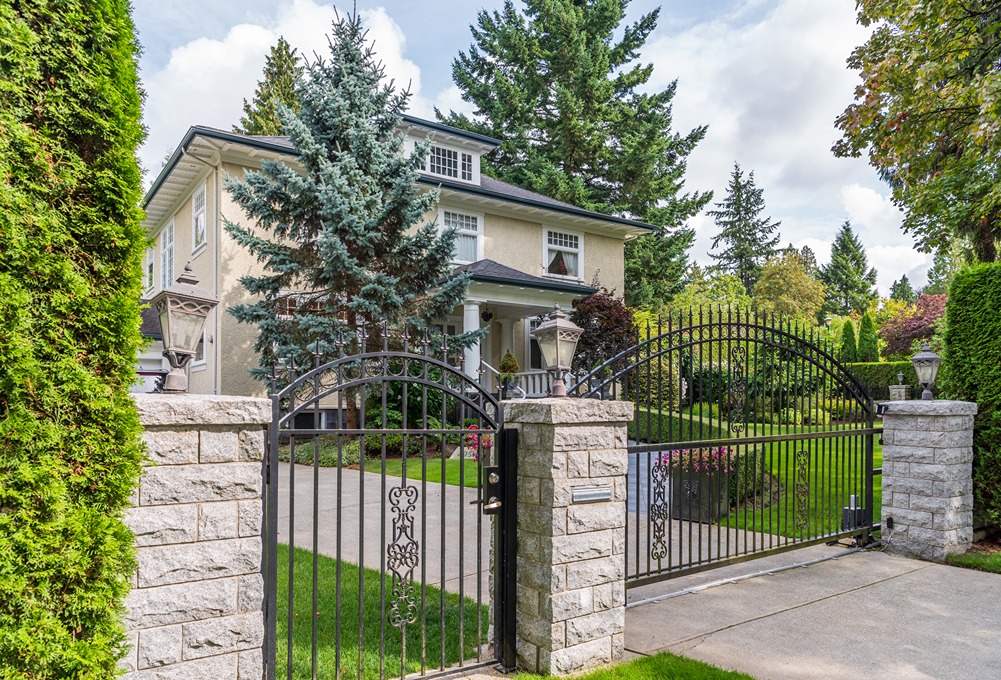
So how much does a security fence cost compared to a standard residential fence? Security oriented fencing, such as taller chain link, wrought iron, or steel, generally runs on the higher end of the fence installation cost Seattle ranges above because of added height, gauge, and hardware.
Factors that push security fence pricing up include:
- Increased fence height, often 6 feet or taller
- Heavier gauge chain link or steel
- Locking gate hardware and access controls
- Additional posts for added rigidity
For most homeowners prioritizing security without a commercial budget, taller chain link or an aluminum fence strikes a reasonable balance between cost and protection.
Ways to Save on Your Fence Installation Cost Seattle Project
You don't have to sacrifice quality to bring your total down. A few practical ways to save:
- Schedule in fall or winter. Seasonality affects pricing, and off peak scheduling can sometimes yield a 5 to 10% discount.
- Choose chain link for non visible areas. Save your budget for a nicer material where it's seen from the street.
- Bundle gate installation with the main project instead of adding it later.
- Get multiple quotes. Pricing for fence installation can vary significantly based on project details, so comparing bids helps you spot outliers.
💡 Pro Tip: DIY installation can save roughly half the total cost, but for taller fences, sloped lots, or anything requiring a permit, professional installation avoids costly rework down the line.
For a full breakdown of where DIY actually saves money vs. where it costs more, our DIY vs professional fence installation guide covers that in detail.
Do You Need a Permit for Fence Installation in Seattle?
Most municipalities in the region require a permit for fences taller than 6 feet, and permit fees typically range from $20 to $300 depending on your project scope. Requirements vary by city and county, so it's worth checking with your local building department before you dig your first post hole.
Ready to get exact numbers for your property instead of general ranges? Request your estimate and we'll walk your site before quoting.
Fence Installation Cost Seattle: Final Thoughts
Getting a clear answer to fence installation cost Seattle homeowners can expect starts with knowing your material, your footage, and any extras like gates or demolition. These ranges give you a solid starting point for budgeting, but the only way to know your real cost is a site visit. Rare Bears Fencing serves Seattle, Everett, Kirkland, Bellevue, Bothell, and all of King and Snohomish County. Reach out today and we'll help you plan a fence that fits your yard and your budget.
FAQs
What is the average fence installation cost Seattle homeowners pay?
Most homeowners typically spend between $20 and $65 per linear foot, depending on material and site conditions. A full project estimate also depends on gates, terrain, and whether an old fence needs removal.
How much does a fence cost per linear foot compared to a total project price?
Per foot pricing helps you compare materials, while total project cost accounts for gates, permits, and site prep. Always ask for both numbers when comparing residential fencing estimate quotes.
What is the cheapest fencing cost Seattle WA option?
Chain link is generally the most affordable material in most cases, though it offers less privacy than wood or vinyl. Chain link is what we typically recommend for budget-conscious projects or non-visible property lines where privacy isn't the priority.
Does fence installation price King County vary by city?
Labor rates and permit requirements can vary across King and Snohomish County jurisdictions. Checking with your specific city or county building department before starting is always recommended.
Do I need a permit before starting my fence project?
Most municipalities require a permit for fences over 6 feet tall, though requirements vary by location. Always confirm with your local zoning or building office before installation begins.



.svg)


.png)