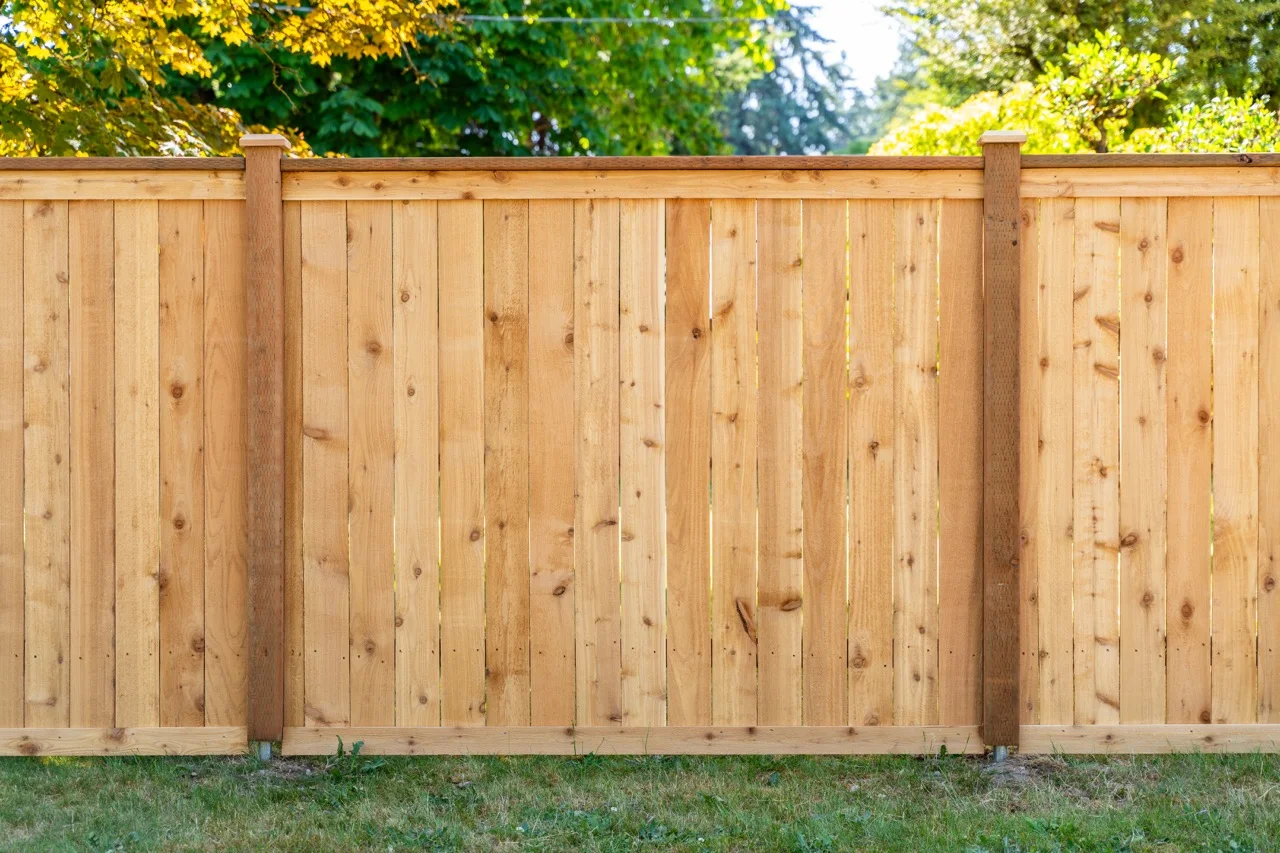
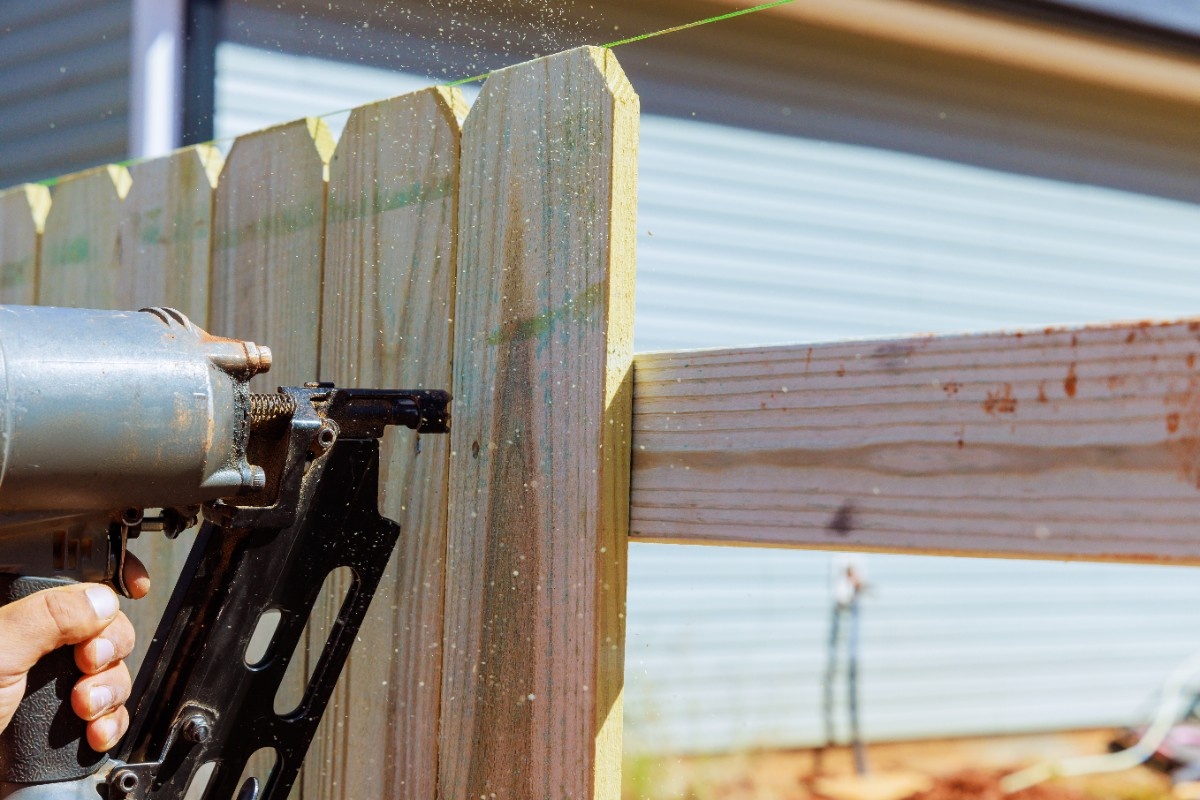
Apart from offering privacy and security, a thoughtfully crafted fence can give your property character. It can also add a safety net for your children and pets.
Whether you want to mark a boundary, keep pets in, or add some privacy, a fence doesn't have to be expensive.
Pallet fence
Nothing exemplifies low-cost home improvement more than a pallet fence, it's one of the easiest DIY cheap fence ideas out there, since the raw material is often free or cheap, but ask the business before you take any. And because you can stack them as is, pallet fences are also an easy DIY project. Take the time to pull the pallets apart, and you can turn them into a picket fence.
Look for pallets stamped "HT" (heat-treated), which are generally safe to reuse. Avoid pallets stamped "MB" (methyl bromide), unmarked pallets, and any that look stained or oily. In the Pacific Northwest's wet climate, untreated pallet wood can also rot quickly.
Trellis fence
A trellis offers little security or privacy on its own, but it makes a charming backdrop. As one of the more inexpensive garden fence ideas, a trellis pulls double duty as both a border and a growing structure, great if you enjoy gardening. Grapes, hardy kiwi, beans, and other climbing plants tend to grow up a trellis, adding a nice living fence to your home.
Privet fence
Similarly, privet hedges make for a nice, thick fence and one of the more overlooked cheap privacy fence ideas, since the plants themselves cost far less than materials and installation. A privet hedge can reach 10 feet or more, takes a few years to fill in, and needs regular pruning. Privet berries are toxic if eaten, and yew, another common hedge plant, is highly toxic to pets and livestock, so choose carefully if you have animals.
Picket fence
You can't really go wrong with a white picket fence. A picket fence is a classic look. For installed pricing in Seattle, see our cedar fence cost guide.
Bamboo fence
Bamboo can make a fast, dense screen. In the Pacific Northwest, choose clumping bamboo; running bamboo spreads aggressively and can invade a neighbor's yard. For a more convenient solution, you can purchase pre-made bamboo fencing rolls. This works especially well if you have an existing structure like a chain link fence (more on this later). Bamboo fencing rolls allow you to transform your yard with pliers and some wires in minutes.
Chain link fence
It's not the most aesthetic choice, but a chain link fence does the job of marking a boundary and keeping pets in. It's one of the most practical budget fencing options for larger yards, and can easily be spruced up with climbing plants or any DIY idea you can find on Pinterest. Painting a chain link fence can also quickly give it a friendlier look. If you want a professionally installed version, see our chain link fence installation options.
Split rail
Split rails are more suited for larger yards and give homes that ranch ambiance. It's a popular choice for a cheapest boundary fence, since open-rail designs use far less lumber than solid panel fencing. The space between rails means you need fewer materials overall. Split rail won't keep small pets in or provide privacy.
Upcycled fence
If you’re feeling a bit artsy, you can create a fence for your yard using recycled materials. You can use any scrap material you can get your hands on—metal, tiles, corrugated steel. Check for sharp edges, rust, and old paint (older paint may contain lead), and confirm your city and HOA allow the materials. An upcycle fence would require some DIY skills, but it's one of the more creative cheap fences for backyard makeovers.
Woven branch fence
While at the topic of recycling, you can also weave branches into a fence. This would take DIY know-how. Only gather branches you have permission to take. But if you've got all of those, it's certainly a rustic, cost-effective option — one of the most economical fencing ideas if you have easy access to raw branches and logs. You can use logs and wiggly branches too if you need more materials.
Concrete fence
Concrete or masonry fences are durable but rarely low-cost. Footings, forms, and labor add up, and taller walls need engineering and permits. A bag of concrete costs only about $5–10 per 80 pounds, but that's a small part of the total. If you’re not a fan of pure concrete, you can easily add wood accents to give your fence a more earthy feel.
Hog wire fence
Using hog wire for your fence is a low-cost solution for your fencing needs. Hog wire panels can cost about $3–5 per linear foot for materials only, but you also need posts, a wood frame, and installation, which raise the total. Western red cedar is a popular frame in the Pacific Northwest. See our hog wire fence options.
Electric fence
Electric fencing is a cheap solution if the goal is to keep animals out. Electric fencing is regulated and is generally not allowed in residential neighborhoods. Check your city's code, and use it only where it's permitted, such as agricultural areas.
Final words
A professionally installed fence lasts longer and is built to code. If you need a stopgap, the ideas above can work. For a permanent fence, ask us for an estimate.
Affordable Professional Options
If you'd rather have a professional handle the work, we install chain link, cedar picket, and hog wire fences. Learn more about our financing and warranty.
References
1. Family Handy Man, https://www.familyhandyman.com/article/cheapskate-picket-fence/
2. Gardening Know How, https://www.gardeningknowhow.com/ornamental/vines/ovgen/growing-plant-cover-fence.htm
3. Real Homes, https://www.realhomes.com/advice/how-to-build-a-fence
FAQs
1. What are some budget-friendly fencing options?
Some of the most affordable options include pallet fences, bamboo rolls, chain link fences, split rails, and upcycled materials. Each offers different levels of privacy, style, and DIY potential.
2. Can living fences provide privacy?
Yes. Privet hedges, bamboo, or trellis fences with climbing plants create a natural barrier while adding greenery and charm to your yard.
3. Are pallet fences safe and durable?
Pallet fences are inexpensive and DIY-friendly. Choose heat-treated ("HT") pallets, avoid "MB" and unmarked pallets, and expect untreated pallet wood to rot in wet weather. With proper assembly, they can provide decent security and privacy.
4. What’s the cheapest way to fence a large yard?
Options like chain link fences or split rails are cost-effective for large properties. They require fewer materials or can be enhanced with DIY touches like paint or climbing plants.
5. Can concrete fences be low-cost?
Concrete fences are rarely low-cost once footings, forms, and labor are counted. A bag of concrete costs about $5–10 per 80 pounds, but that's only a small part of the total. Adding wood accents can make them visually appealing without increasing costs significantly.
6. Are upcycled or woven branch fences practical?
They’re ideal for DIY enthusiasts with access to scrap wood or branches. They’re eco-friendly, unique, and inexpensive, but may require ongoing maintenance.
7. What about electric fences?
Electric fences are regulated and generally not allowed in residential neighborhoods. Check your city's code before installing one.
8. Which fence offers the best balance of cost and appearance?
For a mix of affordability, privacy, and style, bamboo rolls, hog wire with wooden frames, or a painted chain link fence with climbing plants are versatile choices suitable for most yards.